
Using Clear Storage Bins to Simplify Closet Decluttering
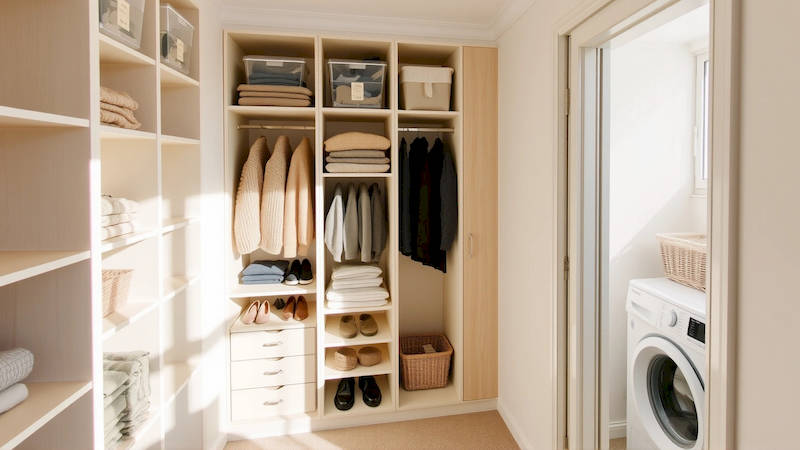
The sheer volume of “stuff” most of us accumulate can be overwhelming, and frequently, that stuff ends up crammed into closets. These spaces, intended for organized storage, often become black holes of forgotten items, leading to stress, wasted space, and a feeling of perpetual disarray. Decluttering is the first step, but maintaining an organized closet requires a strategic approach. While a multitude of organization systems exist, leveraging the power of clear storage bins has emerged as a consistently effective and visually appealing method. This article will delve into the benefits of using clear bins, how to choose them, and a detailed process for implementing them as part of a successful closet decluttering and organization strategy. It’s about more than just containment; it’s about creating a visual inventory and a system that promotes long-term order.
Many struggle with the initial decluttering process, intimidated by the mountain of possessions. The key is to break the task down. However, even a well-intentioned declutter can fall apart without a robust storage solution to maintain the newly-won space. Enter the clear storage bin. They're not just containers; they’re visual cues, reminding you of what you own and discouraging the impulsive re-acquisition of duplicates. According to a 2023 study by the National Association of Productivity and Organizing Professionals (NAPO), homes with visible storage solutions consistently report feeling less stressed and more in control of their environments. Utilizing clear bins fosters a system of intentionality, facilitating a calmer, more functional living space.
- The Core Benefits of Clear Storage Bins: Visibility and Accessibility
- Choosing the Right Clear Storage Bins: Size, Material, and Features
- The Decluttering Phase: Preparation for Bin Organization
- Implementing the Bin System: Categorization and Labeling
- Maintenance and Adapting Your System
- Addressing Common Challenges and Counterarguments
- Conclusion: A Clear Path to Closet Calm
The Core Benefits of Clear Storage Bins: Visibility and Accessibility
The most compelling advantage of using clear bins is the instant visual inventory they provide. Unlike opaque containers where you have to rummage through to find what you’re looking for (or completely forget what's inside), clear bins allow you to see the contents at a glance. This simple feature dramatically reduces the time spent searching for specific items, cutting down on frustration and making your closet significantly more efficient. It also discourages the “out of sight, out of mind” mentality which plays a significant role in clutter accumulation. When you see everything you have, you’re less likely to repurchase items you already own.
Consider the common scenario of seasonal clothing. Instead of several opaque bins where you’re unsure of what’s nestled inside, clear bins allow you to quickly identify what winter sweaters are available, or which summer dresses are ready for warmer days. This visibility extends beyond clothing. Holiday decorations, accessories, extra linens – everything becomes easily identifiable and accessible. This not only saves time but also protects your belongings. For instance, delicate items stored in clear bins can be visually checked for any potential damage before being used, preventing surprises and minimizing wear and tear. This accessibility fosters a more mindful approach to possessions.
The benefits aren’t merely aesthetic or convenience-based. Accessibility impacts preventative maintenance. If you can see and easily access your camping gear, you're more likely to inspect it for damage before your next trip, rather than discovering a broken tent pole on arrival. This extends the life of your belongings and saves money in the long run.
Choosing the Right Clear Storage Bins: Size, Material, and Features
Not all clear storage bins are created equal. Selecting the correct bins for your needs is crucial for maximizing their effectiveness. Begin by assessing the space available in your closet. Measure the height, width, and depth of your shelves and floor space to determine what size bins will fit comfortably without jamming or hindering access. A variety of sizes is often best – smaller bins for delicate items or accessories, larger bins for bulkier items like sweaters or linens.
The material of the bin also matters. Polypropylene plastic is a durable, affordable, and commonly used option. For heavier items, consider bins with reinforced bottoms and sides. Stackable bins are essential for maximizing vertical space, but ensure they are designed to securely stack without collapsing. Lids are non-negotiable; they protect contents from dust, moisture, and pests. Look for bins with tight-fitting lids that snap securely into place. Some bins come with additional features like handles for easy carrying, or even wheels for effortless movement. A study by Consumer Reports showed that bins with reinforced handles lasting significantly longer over multiple movements.
Finally, consider the clarity of the plastic. Some "clear" bins are slightly frosted or tinted, which can obscure contents. Opt for crystal-clear bins for maximum visibility, especially if you plan to label them (discussed below). Avoid bins with flimsy plastic that scratch easily, as this will reduce their transparency over time. Investing in quality bins upfront saves money in the long run by preventing frequent replacements.
The Decluttering Phase: Preparation for Bin Organization
Before you even think about filling bins, complete a thorough declutter. This is arguably the hardest part, but it’s the most important. Start by removing everything from your closet. Everything. This allows you to see the full scope of what you're dealing with and creates a clean slate. Establish four distinct piles: Keep, Donate, Discard, and Maybe. Be ruthless with your assessment. Have you used it in the past year? Does it fit? Does it bring you joy (a common question popularized by Marie Kondo)?
The “Maybe” pile is a buffer, but give it a hard deadline. If you haven’t revisited those items within a month, donate or discard them. Remember the 80/20 rule – we generally wear 20% of our clothes 80% of the time. Apply this principle to all your belongings. Be honest with yourself about what you truly need and use. As organizational expert Peter Walsh notes, "Clutter is not just the accumulation of stuff, it's the accumulation of unmade decisions.”
Once decluttered, clean the closet thoroughly. Wipe down shelves, vacuum the floor, and address any lingering odors. This clean space is psychologically motivating and creates a more pleasant environment to start organizing.
Implementing the Bin System: Categorization and Labeling
With a decluttered closet and your bins in hand, it’s time to implement the system. Categorize your belongings logically. Group similar items together: all sweaters in one bin, all jeans in another, all holiday decorations in dedicated bins. This categorization will make it easier to find what you’re looking for and maintain order. Think about how you use your closet; your categorization system should align with your personal habits.
Crucially, label everything. While the clear bins provide visibility, labels offer instant identification, especially when bins are stacked. Use a label maker for a clean, professional look, or simply write on labels with a permanent marker. Be specific in your labeling – “Winter Sweaters - Cashmere” is more helpful than just “Sweaters.” Consider adding a date to the label, especially for seasonal items, to track how long they've been stored.
Don't be afraid to utilize the vertical space in your closet. Stack bins strategically, placing frequently used items at eye level and less frequently used items higher up or on lower shelves. Utilize shelf dividers to prevent bins from toppling over. For deep closets, consider using rolling bin carts to maximize accessibility.
Maintenance and Adapting Your System
An organized closet isn't a one-time achievement; it’s an ongoing process. Schedule regular maintenance checks (e.g., quarterly) to assess your system and make adjustments as needed. Re-evaluate your categories and labeling. Have your needs changed? Are certain categories becoming too crowded? Don't be afraid to refine your system.
As you acquire new items, immediately find a designated place for them within your bin system. Avoid letting new purchases create clutter. Practice the "one in, one out" rule – for every new item you bring into your closet, remove an old one. This prevents the buildup of excess possessions.
Addressing Common Challenges and Counterarguments
Some argue that using clear bins is visually "busy" or detracts from the aesthetic of a closet. However, a well-organized closet with clear bins is arguably more visually appealing than a chaotic mess. The key is to maintain consistency and choose bins with a sleek, uniform design. Others might believe it's too time-consuming. While the initial setup requires effort, the long-term time savings and reduced stress are well worth it.
Conclusion: A Clear Path to Closet Calm
Utilizing clear storage bins is a powerful strategy for simplifying closet decluttering and maintaining long-term organization. By leveraging visibility, employing strategic categorization and labeling, and committing to regular maintenance, you can transform your closet from a source of stress into a sanctuary of order. The benefits extend beyond aesthetics – increased efficiency, reduced stress, and a more mindful relationship with your possessions. Remember to measure your space, choose quality bins, declutter ruthlessly, label diligently, and adapt your system as your needs evolve. The clear advantage isn’t just about what you can see; it’s about the peace of mind that comes with a truly organized life. Begin with one small section of your closet today, and experience the transformative power of clear organization.
Deja una respuesta