
Optimizing Natural Light While Arranging Your Living Room Furniture
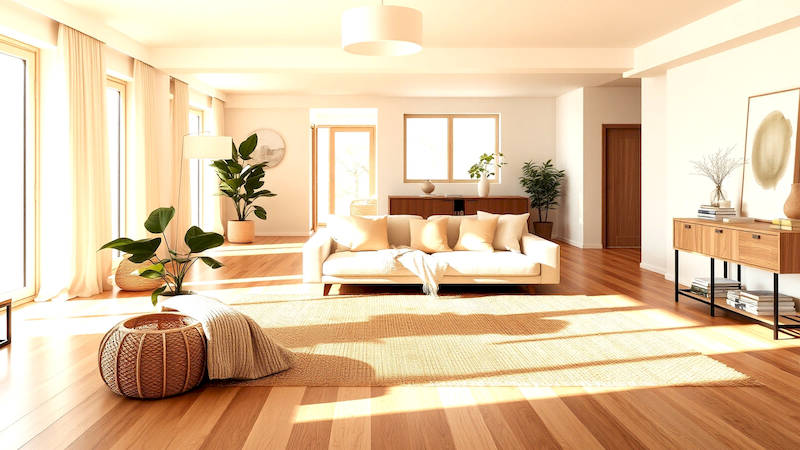
The living room, often hailed as the heart of the home, is a multi-functional space designed for relaxation, socializing, and personal expression. Beyond just aesthetics, the quality of light within this space dramatically impacts our mood, energy levels, and even our perceived well-being. While artificial lighting is essential, maximizing natural light isn’t just about making the room brighter; it's about creating a healthier, more inviting, and visually appealing environment. Poorly arranged furniture can unintentionally block precious sunlight, leading to a dim and unwelcoming space. This article delves into the art and science of arranging your living room furniture to not only optimize natural light but also enhance the overall functionality and comfort of your home.
Too often, furniture placement is dictated by habit or convenience rather than a deliberate consideration of light flow. This can lead to corners shrouded in shadow, a feeling of confinement, and a reliance on artificial illumination even during daylight hours. Beyond the aesthetic benefits, harnessing natural light also contributes to energy savings and offers proven psychological advantages, including reduced stress and increased productivity. Understanding how light interacts with your space is the first step towards creating a living room that feels open, airy, and genuinely inviting. We will explore practical strategies, common pitfalls to avoid, and design principles to help you transform your living room into a luminous and harmonious haven.
- Understanding Light Types and Their Impact on Room Perception
- Strategically Positioning Furniture to Maximize Light Flow
- The Role of Mirrors in Amplifying Natural Light
- Utilizing Window Treatments to Control & Enhance Light
- Color Palette & Reflective Surfaces: Complementing Natural Light
- Addressing Common Challenges & Specific Room Layouts
- Conclusion: Creating a Luminous and Inviting Living Room
Understanding Light Types and Their Impact on Room Perception
Natural light isn’t monolithic. It changes throughout the day, and different types of natural light have distinct effects on how we perceive a room. Direct sunlight, typically experienced mid-day, delivers vibrant, high-contrast illumination. This is wonderful for highlighting textures and colors, but can create harsh shadows and glare if unchecked. Diffused sunlight, present on cloudy days or during early morning/late afternoon, offers a softer, more even illumination, ideal for creating a calming atmosphere. Finally, reflected light, bouncing off exterior surfaces like walls or neighboring buildings, provides a subtle ambient glow. Recognizing these nuances is crucial for effective furniture arrangement.
The direction of light is equally important. Southern-facing rooms receive the most consistent sunlight throughout the day, making them bright and warm. Northern-facing rooms receive cooler, more diffused light, potentially requiring warmer color palettes and reflective surfaces to brighten the space. Eastern-facing rooms benefit from bright morning light, whereas Western-facing rooms are bathed in warm afternoon sunlight. Understanding your room’s orientation will dictate how you position furniture to optimize the available light. "A common mistake people make is assuming more light is always better," explains interior designer Sarah Richardson. "But uncontrolled bright light can be just as detrimental as insufficient illumination. It's all about balance and layering."
Regardless of the type or direction, blocking light with bulky furniture or dark curtains dramatically shrinks the perceived size of a room. Light colors reflect light, expanding the space, while dark colors absorb it, making a room feel smaller and more closed-in. This is a fundamental principle of design that directly impacts how successfully you integrate natural light into your living room arrangement.
Strategically Positioning Furniture to Maximize Light Flow
The most substantial pieces of furniture – sofas, sectionals, and large armchairs – should be positioned to receive light, rather than obstruct it. Avoid placing these pieces directly in front of windows. Instead, position them perpendicular to the window or along a wall where they won't cast long, imposing shadows. Consider the height of your furniture as well; lower-profile pieces allow more light to penetrate further into the room. A high-backed sofa directly in front of a window can block a significant amount of light, effectively dimming a large portion of the space.
Experiment with different layouts. Sometimes, a simple shift in furniture positioning can dramatically improve light flow. If your living room has multiple windows, consider arranging furniture to create conversational groupings that take advantage of the light from each source. For example, place two armchairs facing each other near opposing windows to create a cozy and naturally illuminated reading nook. Don't underestimate the power of visual pathways. Ensure there is a clear line of sight from entry points to windows, allowing the eye to be drawn towards the natural light source. This creates a sense of openness and airiness.
Consider using furniture with lighter fabrics and finishes. A dark leather sofa will absorb more light than a linen or light-colored fabric, especially in a room lacking abundant sunlight. Couches with exposed legs also allow more light to pass underneath, contributing to a more open feel.
The Role of Mirrors in Amplifying Natural Light
Mirrors are invaluable tools for maximizing natural light in any room, but particularly so in living rooms. They reflect light, instantly brightening the space and creating the illusion of greater depth. Strategically placed mirrors can bounce light from windows to darker corners of the room, eliminating shadows and creating a more even distribution of illumination. Unlike artificial light, a mirror reflects the quality of natural light, preserving the inherent warmth and vibrancy.
The size and placement of the mirror are critical. A large mirror placed opposite a window will have the most substantial impact, essentially doubling the amount of light in the room. Smaller mirrors can be grouped together to create a similar effect, or strategically positioned on side walls to reflect light from different angles. Avoid placing mirrors opposite cluttered areas, as this will simply reflect the mess and detract from the overall effect.
Furthermore, consider the frame of the mirror. A light-colored and slender frame will minimize obstruction of the reflected light, while a dark or ornate frame can act as a statement piece but may slightly reduce the amount of light reflected. Experiment with different placements to determine what works best for your specific room layout and aesthetic preferences.
Utilizing Window Treatments to Control & Enhance Light
Window treatments play a pivotal role in controlling and enhancing natural light. Heavy, dark curtains can block most of the light, even when open, defeating the purpose of optimizing natural illumination. Opt for sheer curtains, blinds, or shades that allow light to filter through while still providing privacy. Layering window treatments allows for greater flexibility. For example, combine sheer curtains with heavier drapes that can be closed for full privacy or to block out intense sunlight during peak hours.
The color of your window treatments also matters. Light-colored curtains will reflect more light into the room, while dark-colored curtains will absorb it. Consider using adjustable blinds or shades, which allow you to control the angle and amount of light entering the room throughout the day. Roman shades, in particular, are a good option as they can be adjusted to allow varying levels of light penetration.
Beyond functionality, window treatments contribute to the overall aesthetic of the room. Choose fabrics and styles that complement your existing décor and create a cohesive look. Remember to consider the height and width of your windows when selecting window treatments to ensure they properly frame the view and maximize the available light.
Color Palette & Reflective Surfaces: Complementing Natural Light
The color palette of your living room should work in harmony with the available natural light. In rooms with abundant sunlight, you can experiment with bolder, richer colors. However, in rooms with limited natural light, it's best to stick to lighter, more neutral tones. White, cream, and light gray reflect light, making the room feel brighter and more spacious. Accent colors can be incorporated through accessories, artwork, and textiles.
Beyond wall colors, consider the finish of your floors and furniture. Glossy or semi-gloss finishes reflect light, while matte finishes absorb it. Polished wooden floors, for example, will reflect more light than carpeted floors. Similarly, furniture with reflective surfaces, such as glass coffee tables or metallic accents, can help to amplify natural light.
Introduce reflective accessories like metallic lamps, mirrored trays, and crystal vases to scatter light throughout the room. These small touches can make a surprising difference in the overall brightness and vibrancy of your living space. Don't overlook the possibility of a light colored rug near a window, acting as another surface to reflect sunny rays through the room.
Addressing Common Challenges & Specific Room Layouts
Some room layouts present unique challenges when it comes to optimizing natural light. Long, narrow living rooms can lack adequate light penetration towards the back of the room. In this case, strategically placed mirrors and lighter color palettes are essential. Consider an open floor plan to allow light to flow more freely between rooms.
Rooms with small windows will require extra effort to maximize the available light. Avoid blocking the windows with furniture, and utilize sheer window treatments to allow as much light as possible to enter. Mirrors strategically placed opposite the windows can help to amplify the limited light source.
Corner living rooms may have limited window placement. Arrange furniture to take advantage of the light from both windows and utilize mirrors to bounce light around the room. Don’t be afraid to leverage artificial light strategically to supplement the natural light, especially during darker months. "Ultimately," explains interior blogger Emily Henderson, “it's about understanding the quirks and assets of your specific space and working with them, not against them.”
Conclusion: Creating a Luminous and Inviting Living Room
Optimizing natural light in your living room is a holistic process that involves careful consideration of furniture arrangement, window treatments, color palettes, and reflective surfaces. It's about more than just brightening the room; it's about creating a space that feels welcoming, energizing, and visually appealing. By understanding the nuances of natural light and implementing the strategies outlined in this article, you can transform your living room into a luminous haven.
Key takeaways include prioritising furniture placement that doesn’t obstruct windows, utilising mirrors to amplify and distribute light, selecting appropriate window treatments to control light levels, and employing lighter color palettes and reflective surfaces to enhance brightness. As a next step, take a critical look at your current living room arrangement. Identify areas where natural light is being blocked and experiment with different furniture configurations to maximize light flow. Remember that small changes can often yield significant results, creating a more inviting and harmonious living space that you'll enjoy for years to come.
Deja una respuesta