
How to Expand and Future-Proof Your Smart Lighting Network
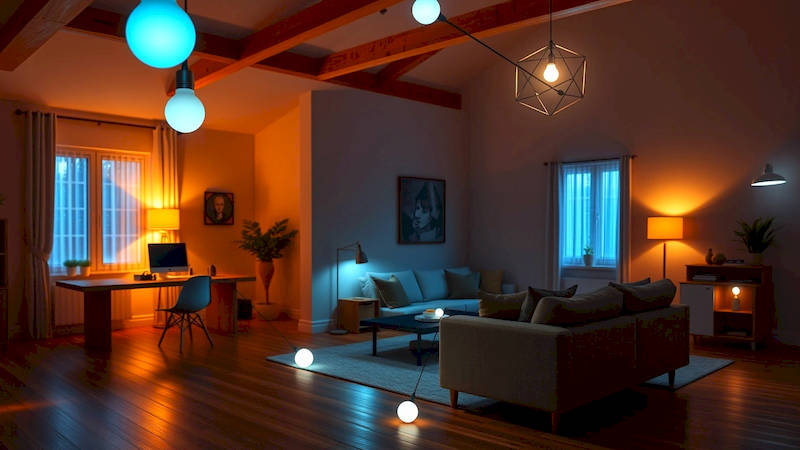
Smart lighting has moved beyond a simple convenience, evolving into a core component of the modern smart home. What begins as a few smart bulbs can quickly become a sophisticated ecosystem controlling ambiance, security, and energy efficiency. However, a haphazard approach to building this ecosystem can lead to limitations, compatibility issues, and ultimately, the need for a costly overhaul. This article delves into the strategies for thoughtfully expanding your smart lighting network, ensuring it remains adaptable and future-proof in the face of evolving technology. We'll move beyond simply adding more devices and explore the crucial considerations for long-term scalability, interoperability, and functionality, covering everything from protocol selection to network infrastructure.
The initial excitement of automating lights often focuses on individual rooms or specific zones. But a truly smart approach anticipates future demands—adding outdoor lighting, integrating with other smart home systems, or even accommodating a growing family’s needs. Successfully expanding your smart lighting network requires careful planning, understanding the available technologies, and choosing a path that prioritizes flexibility and longevity. Ignoring these factors can lead to a fragmented system that struggles to handle increasing complexity, or worse, becomes obsolete quicker than anticipated.
This comprehensive guide provides actionable insights and detailed recommendations for expanding and future-proofing your investment, ensuring your smart lighting provides years of reliable and intelligent automation. We’ll explore the vital building blocks of your smart lighting network, covering the various protocols, hubs, and expansion strategies available, while providing informed advice to help you make the best decisions for your individual needs and home environment.
- Understanding Your Existing Smart Lighting Foundation
- Choosing the Right Expansion Protocol: Zigbee, Z-Wave, Wi-Fi & Thread
- Scaling Your Hub and Network Infrastructure
- Integrating Outdoor Lighting and Extended Zones
- Ensuring Interoperability and Voice Control Compatibility
- Future-Proofing Strategies: Software Updates and Long-Term Support
- Conclusion: Building a Flexible and Adaptable Smart Lighting System
Understanding Your Existing Smart Lighting Foundation
Before embarking on any expansion, a thorough assessment of your current setup is paramount. This isn't just about counting bulbs; it’s about understanding the underlying technology driving your system. Knowing the protocol your existing lights use (Zigbee, Z-Wave, Bluetooth, or Wi-Fi) forms the foundation for all future purchases and integrations. Mixing protocols without a compatible hub can lead to significant compatibility issues and require multiple control systems. Take inventory of your hub (if applicable) and its capabilities. Some hubs are limited in the number of devices they can handle, while others may not support all desired protocols.
Consider the range of your current system. Wi-Fi based systems, for example, can be susceptible to range limitations, particularly in larger homes or those with thick walls. This can necessitate the addition of Wi-Fi extenders, but even then, reliability can be inconsistent. Zigbee and Z-Wave, relying on mesh networking, tend to offer better range and reliability, as devices function as repeaters, extending the network’s reach. A key performance metric to reflect on is the responsiveness of your lights – are there noticeable delays in commands? Understanding these baseline performance characteristics will help you pinpoint areas for improvement and tailor your expansion strategy.
Furthermore, analyzing your current usage patterns provides valuable insights. Are you primarily using your smart lights for basic on/off control, or are you leveraging advanced features like scene setting, scheduling, or integration with other smart devices? Knowing how you currently utilize your system will guide your expansion choices, ensuring you invest in features and devices that genuinely enhance your lifestyle.
Choosing the Right Expansion Protocol: Zigbee, Z-Wave, Wi-Fi & Thread
Deciding on the protocol for new additions is the most crucial step. Wi-Fi continues to be popular due to its ease of use and widespread router availability. However, Wi-Fi smart lights can strain your home network, potentially slowing down other devices. A significant concern is the reliance on the 2.4GHz band, which is often congested with other wireless devices like microwaves and Bluetooth gadgets. Expert opinions often steer towards Zigbee and Z-Wave for larger, more complex installations. “The reliability and scalability of mesh networks like Zigbee and Z-Wave make them ideal for robust smart home deployments,” notes Kevin Shank, a smart home consultant at ByteWise Solutions.
Zigbee and Z-Wave employ mesh networking. This means each device effectively acts as a repeater, strengthening the signal and extending the network’s range. This eliminates “dead zones” common with Wi-Fi setups. Z-Wave generally offers slightly better range and lower interference but tends to be more expensive than Zigbee. Zigbee, being open-source, often has a broader range of compatible devices and, potentially, lower costs. The emergence of Thread, a newer protocol designed specifically for smart home devices, is also worth considering. Thread aims to combine the best aspects of Zigbee and Z-Wave—reliability, low power consumption, and interoperability—while leveraging the IPv6 protocol for seamless integration with the broader internet.
When selecting a protocol, consider the specific appliances intended for expansion. Outdoor lighting often benefits from Z-Wave’s enhanced range and durability, while indoor ambience control might be effectively managed with Zigbee’s broad selection of lights. Future-proofing often involves selecting a protocol sufficiently adaptable to future standards and devices.
Scaling Your Hub and Network Infrastructure
Your central hub – the brains of the operation – determines the capacity of your smart lighting system. Many entry-level hubs can only support a limited number of devices. Before expanding, verify your hub’s maximum capacity and ensure it has sufficient processing power to handle the increased load. Hubs like Samsung SmartThings and Hubitat Elevation offer robust capabilities, but even these have limits. Upgrading to a more powerful hub may be necessary, especially when integrating numerous devices and complex automations.
Beyond the hub, consider your network infrastructure. If relying on Wi-Fi, a strong and reliable router is essential. A mesh Wi-Fi system can significantly improve coverage and performance, eliminating dead zones and ensuring consistent connectivity throughout your home. For Zigbee and Z-Wave, properly positioning repeaters is vital. Distribute these devices strategically to create a dense mesh network, ensuring reliable communication between all your smart lights. Using a dedicated 2.4 GHz band on your router for smart home devices can also minimize interference.
Consider investing in a powerline adapter for extending the network, especially in older homes where running new cabling might not be feasible. Powerline adapters use your home’s electrical wiring to transmit network signals and can provide a stable connection for devices located far from the router.
Integrating Outdoor Lighting and Extended Zones
Expanding beyond indoor lighting introduces new challenges. Outdoor lights need to withstand harsh weather conditions, and the distance between the hub and the devices can impact signal strength. Z-Wave’s longer range makes it a popular choice for outdoor applications, and many outdoor-rated smart lights utilize this protocol. Alternatively, using a Z-Wave or Zigbee range extender placed closer to the outdoor lights can boost signal strength.
Carefully plan the placement of outdoor lights to maximize coverage and security. Consider motion sensors and automated schedules to deter intruders and enhance safety. The ability to control outdoor lighting remotely via a smartphone app or voice assistant provides added convenience and peace of mind. Don’t overlook the power supply requirements for outdoor lights, particularly in areas where access to outlets is limited. Solar-powered smart lights offer a convenient and eco-friendly solution but may have reduced functionality during periods of low sunlight.
For expansive properties, zoning your outdoor lighting is crucial. Separate zones for the front yard, backyard, driveway, and garden allow for customized lighting schedules and control, optimizing both security and ambiance.
Ensuring Interoperability and Voice Control Compatibility
The beauty of a smart home lies in its interconnectedness. Ensuring your expanding smart lighting network integrates seamlessly with other smart devices — thermostats, security systems, and entertainment centers — is vital. The Matter standard, aiming to create a unified connectivity protocol across different platforms, represents a significant step towards interoperability. While still relatively new, Matter promises to simplify the integration of smart devices regardless of the manufacturer.
However, even with the rise of Matter, it's essential to verify compatibility before purchasing new devices. Check if the products support the same protocols and ecosystems as your existing system (e.g., Amazon Alexa, Google Assistant, Apple HomeKit). A crucial factor is ensuring compatibility with your chosen voice assistant. Most smart lighting systems work with popular voice assistants, but limitations may exist in terms of functionality or complexity of commands.
Develop a consistent naming convention for your smart lights to simplify voice control. For example, instead of “Living Room Light 1,” use “Living Room Lamp” or “Dining Room Overhead.” This makes it easier to issue commands like, “Alexa, turn off the Living Room Lamp.”
Future-Proofing Strategies: Software Updates and Long-Term Support
Investing in a smart lighting network isn’t a one-time purchase; it's an ongoing process. Manufacturers regularly release software updates to improve performance, add new features, and address security vulnerabilities. Ensure your hub and smart lights receive these updates to maintain optimal functionality and protect yourself from potential security threats.
Research the manufacturer's track record for long-term support before purchasing new devices. A company with a history of consistent software updates and reliable customer service provides greater assurance that your investment will remain viable for years to come. Consider the lifecycle of the devices – how long are they expected to be supported?
Finally, adopt a modular approach to expansion. Avoid committing to a single, monolithic system. Instead, build your network in smaller, manageable components, allowing you to easily upgrade or replace individual devices without disrupting the entire ecosystem.
Conclusion: Building a Flexible and Adaptable Smart Lighting System
Expanding and future-proofing your smart lighting network requires a proactive and thoughtful approach. By understanding your existing system, choosing the right protocols, scaling your infrastructure, and prioritizing interoperability, you can create a robust and adaptable smart home environment. Remember to consider the long-term implications of your choices—selecting devices with ongoing software support and a commitment to future standards like Matter.
The key takeaway is that planning and forethought are more valuable than simply adding more devices. Assess your needs, research your options, and build a network designed for growth and resilience. By embracing these principles, your smart lighting system won't just illuminate your home, but will enhance your lifestyle for years to come. Take the time to map out your expansion strategy, prioritize interoperability, and remain vigilant about software updates. Your future self will thank you for creating a smart lighting network that is not only intelligent today, but prepared for the innovations of tomorrow.
Deja una respuesta