
Creative Storage Ideas for Hats and Other Headwear
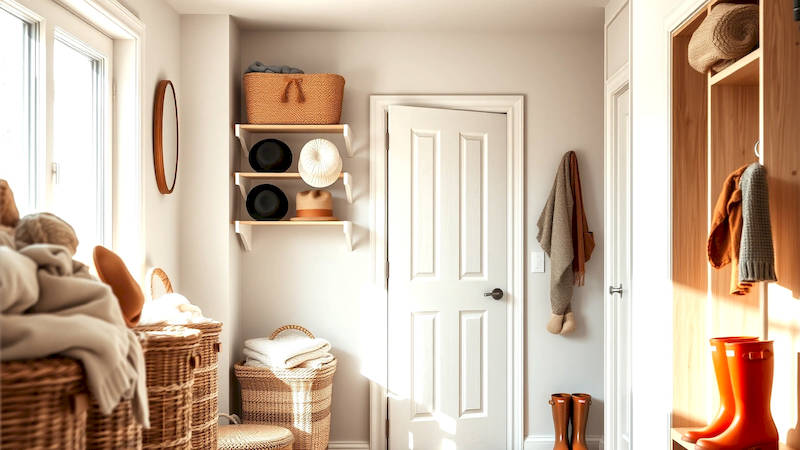
Hats, caps, beanies, scarves, and even headbands – these essential accessories can quickly accumulate, turning a simple closet or entryway into a chaotic pile. Beyond just aesthetics, disorganized headwear can lead to damage, forgotten favorites, and a general feeling of overwhelm. Efficient storage for hats and other headwear isn’t merely about tidiness; it’s about preserving your investments, maximizing space, and simplifying your daily routine. This article delves into a comprehensive range of storage solutions, from DIY projects to commercially available organizers, offering something for every style, space, and budget. We'll explore how to best categorize, store, and display your headwear collection, ensuring both preservation and accessibility.
Proper hat storage also extends the life of your favorite pieces. The materials hats are made of—felt, straw, fabric—are sensitive to crushing, dust, and sunlight. Incorrect storage can lead to misshaping, fading, and even irreversible damage. Beyond the functional benefits, finding the right storage solution can showcase your headwear as a stylish part of your home décor, rather than a hidden clutter pile. We'll cover solutions that are both practical and aesthetically pleasing, transforming a potential storage headache into a design opportunity.
- Maximizing Vertical Space: Wall-Mounted & Over-the-Door Solutions
- Closet Innovation: Shelves, Dividers & Hanging Organizers
- Underbed Storage: A Hidden Haven for Seasonal Headwear
- DIY Solutions: Repurposing & Crafty Creations
- Display as Décor: Showcasing Your Headwear Collection
- Maintaining Organization: Habits & Regular Audits
Maximizing Vertical Space: Wall-Mounted & Over-the-Door Solutions
One of the most effective strategies for hat storage is leveraging vertical space. Walls and doors often go underutilized, yet they offer prime real estate for organizing accessories. Over-the-door organizers, specifically those designed with clear pockets, are incredibly versatile. They’re not only ideal for hats but can also accommodate scarves, gloves, and smaller items, maximizing functionality in tight spaces like bedrooms or entryways. Consider the material of the organizer; sturdy canvas or durable plastic will hold heavier hats more effectively.
Beyond dedicated over-the-door organizers, simple hooks can be incredibly effective. Install a row of stylish hooks on a wall in your entryway, bedroom, or even the inside of a closet door. Experiment with different hook styles – decorative knobs, sleek metal hooks, or even repurposed coat racks – to complement your home décor. For heavier hats, ensure the hooks are securely anchored to the wall to prevent them from falling. A creative variation is employing a vintage ladder leaning against a wall as a unique hat display, offering both storage and visual interest.
Expanding on the hook concept, consider pegboard systems. These adaptable walls allow you to customize the layout to your exact needs, repositioning hooks and shelves as your collection grows. It's a solution that’s particularly appealing for those who enjoy a dynamic, adaptable storage system. Remember to regularly audit and adjust your wall-mounted storage to ensure it remains both functional and visually appealing.
Closet Innovation: Shelves, Dividers & Hanging Organizers
The closet is often the first place people think of for storage, but traditional closet shelving isn’t always optimized for hats. Standard shelves can lead to hats being stacked and crushed, particularly those with delicate brims. The key is to modify or supplement existing shelving with hat-specific solutions. Adjustable closet shelves are ideal, allowing you to customize the height to accommodate different hat styles. Alternatively, consider adding narrow, dedicated hat shelves above the existing hanging rod.
Closet dividers aren't just for sweaters; they can be incredibly useful for organizing hats stacked on shelves. These dividers prevent hats from toppling over and maintain their shape. Look for felt or fabric dividers to avoid scratching or damaging delicate materials. For those with ample closet space, hanging organizers designed for shoes can be repurposed for hats. These organizers typically feature clear pockets, allowing you to easily view your entire collection. Ventilation is crucial; ensure the hat organizer isn’t airtight to prevent moisture buildup and potential mildew.
A less common, but highly effective option, is using hat boxes. Historically, hat boxes served to protect and transport hats and provide a classic presentation aesthetic. They prevent crushing and protect against dust and can be stacked neatly on closet shelves. Opt for archival-quality boxes for valuable or antique hats. Labelling boxes helps with quick identification of contents, enhancing organization.
Underbed Storage: A Hidden Haven for Seasonal Headwear
Underbed storage is a frequently overlooked space that can be a lifesaver, particularly for seasonal headwear. Items like heavy winter hats or summer straw hats aren’t needed year-round, making them ideal candidates for underbed storage. Utilize underbed storage containers with lids to protect against dust and moisture. Choose containers that are shallow enough to easily slide under your bed frame, even when fully loaded.
Before storing hats under the bed, ensure they are thoroughly cleaned and dried to prevent mildew or odors. Consider using acid-free tissue paper to stuff the crowns of hats, helping them maintain their shape during long-term storage. Avoid using plastic bags, as they can trap moisture. Instead, opt for breathable cotton or linen bags. Labeling the containers clearly with the contents – “Winter Hats,” “Summer Visors” – prevents you from having to rummage through multiple boxes when the season changes.
To maximize the utility of underbed storage, group hats by season or style. For example, create one container for wool beanies, another for baseball caps, and a third for sun hats. This simplifies retrieval and prevents unnecessary searching. Regularly rotate your headwear collection, bringing seasonal items out of storage as needed and returning them when the weather changes.
DIY Solutions: Repurposing & Crafty Creations
For the DIY enthusiast, the possibilities for hat storage are endless. Repurposing existing materials not only saves money but also adds a unique, personal touch to your home organization. A classic example is transforming a vintage suitcase into a charming hat display. Simply prop the suitcase open and arrange your hats inside, creating a visually interesting focal point.
Another creative idea is building a hat rack from reclaimed wood. This project requires some basic woodworking skills, but the result is a sturdy and stylish storage solution. You can customize the size and design to fit your space and preferences. Alternatively, consider repurposing old curtain rods or towel racks into hat displays. Simply mount them on a wall and hang hats using S-hooks.
For smaller collections, a simple solution is crafting hat-shaped wall pockets from fabric. This involves cutting out hat shapes from fabric, sewing them together, and attaching them to a backing board. These pockets can be hung on a wall or inside a closet door, adding a whimsical touch to your décor. Don't underestimate the power of repurposing—it’s a sustainable and cost-effective way to address your headwear storage needs.
Display as Décor: Showcasing Your Headwear Collection
Rather than concealing your hats, consider displaying them as part of your home décor. This is particularly effective for stylish or collectible hats. A well-curated hat wall can serve as a statement piece, adding personality and visual interest to any room. Use a combination of hooks, shelves, and shadow boxes to create a dynamic display.
For a more sophisticated look, mount hats on decorative plaques or within vintage picture frames. This elevates the presentation and highlights the craftsmanship of each piece. In an entryway, a stylish hat stand can serve as both a functional storage solution and a welcoming accent. Choose a hat stand that complements your home’s aesthetic, whether it’s a sleek modern design or a rustic farmhouse style.
When displaying hats, consider the arrangement carefully. Group hats by color, style, or material to create a cohesive look. Avoid overcrowding the display, allowing each hat to stand out. Proper lighting is also essential; spotlights or accent lighting can highlight the details and textures of your hat collection. Remember to dust display hats regularly to prevent dust accumulation.
Maintaining Organization: Habits & Regular Audits
Implementing a storage solution is only the first step; maintaining organization requires ongoing effort. Develop a habit of putting hats away immediately after use, rather than letting them accumulate on chairs or floors. Establish a rotating system for seasonal headwear, swapping out items as the weather changes.
Conduct regular audits of your collection, at least twice a year. Remove any hats that are damaged, outdated, or no longer worn. Donate or sell unwanted items to free up space and declutter your home. This practice ensures your storage solutions remain efficient and only house items you truly use and love.
Finally, don’t be afraid to experiment with different storage solutions until you find what works best for your lifestyle and space. There is no one-size-fits-all approach to hat storage; the key is to adapt and refine your system over time.
In conclusion, creatively storing hats and other headwear involves a blend of space optimization, preservation techniques, and stylistic consideration. From leveraging vertical space with wall-mounted organizers to repurposing existing furniture and crafting DIY solutions, there are options for every budget and aesthetic. Utilizing underbed storage for seasonal items and displaying favorite pieces as décor further enhance practicality and personal expression. The most vital takeaway, however, is the importance of establishing consistent habits and conducting regular audits to maintain an organized and accessible collection. By implementing these strategies, you can transform a potential storage challenge into a harmonious and stylish element of your home.
Deja una respuesta