
Closet Organization Hacks for Apartment Living
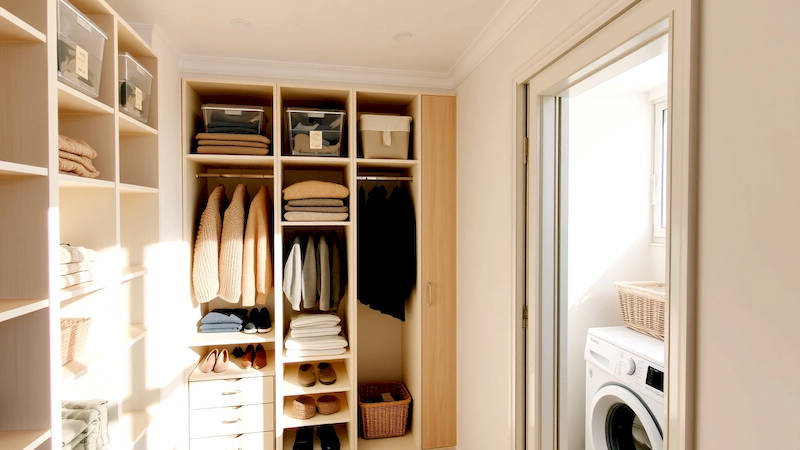
Apartment living often means navigating limited space, and the closet – or lack thereof – is frequently a major pain point. A disorganized closet isn’t just aesthetically displeasing; it’s a daily source of stress, wasted time, and even financial loss (think of clothes you forget you own and repurchase!). But maximizing a small closet isn't about magic, it's about strategy. This article dives deep into practical, actionable hacks specifically tailored for apartment dwellers, moving beyond the standard "donate unused items" advice to explore innovative storage solutions, clever space-saving techniques, and mindful organization habits that will transform your closet from a chaotic cavern into a functional haven.
The challenge in apartment closets stems from a variety of factors. Often, the closets are smaller, lack proper shelving, or are oddly shaped (think sloped ceilings or shallow depths). In addition, renters may have restrictions on what modifications they can make, such as drilling holes or installing permanent fixtures. Many also operate under the pressure of a tighter budget, making expensive custom closet systems inaccessible. This guide addresses these specific hurdles, offering solutions that are affordable, renter-friendly, and highly effective. It’s not just about fitting more in; it’s about making the most of what you have, creating a system that works for you, and cultivating a lifestyle of mindful consumption and organization.
This isn't a one-size-fits-all solution. Each apartment – and each individual – has unique needs. Therefore, this guide will cover a range of techniques, allowing you to adapt and personalize them to suit your specific situation and clothing collection. By the end, you’ll have a toolbox of strategies to conquer your closet chaos and reclaim valuable space in your apartment.
- The Initial Purge: A Ruthless Assessment
- Vertical Space is Your Best Friend
- Slimline Hangers & Space-Saving Folding Techniques
- Harnessing the Power of Baskets & Bins
- Door Organization & Hidden Storage Solutions
- Maintain the Momentum: Regular Refreshments & Habit Stacking
- Conclusion: Reclaiming Your Space & Simplifying Your Life
The Initial Purge: A Ruthless Assessment
Before you even think about buying organizers or rearranging anything, a thorough purge is absolutely critical. Many people skip this step, focusing on organization before decluttering, which is like trying to build a house on a shaky foundation. This initial declutter isn't about feeling guilty about past purchases; it's about acknowledging your current lifestyle and wardrobe needs. Be honest with yourself – that dress you haven't worn in three years because it "might fit someday" is taking up space that could be used for items you actually love and use.
A useful exercise is the ‘four-pile method’: create piles for "Keep," "Donate," "Sell," and "Trash." Be strict with yourself. “Keep” should only include items you wear regularly, fit well, and genuinely love. “Donate” is for gently used items that no longer fit your style or lifestyle. “Sell” is for valuable items in good condition that could recoup some of your investment (consider platforms like Poshmark or ThredUp). Finally, “Trash” is for items that are damaged beyond repair or are simply unusable. According to a study by the Environmental Protection Agency, the average American throws away 81 pounds of clothing each year; thoughtful decluttering can significantly reduce your contribution to that statistic.
Don't forget to extend the purge beyond clothing. Shoes, accessories, and off-season items also need evaluation. Consider the 80/20 rule: you likely wear 20% of your wardrobe 80% of the time. Identifying that 80% that's barely used will free up significant space. This initial purge isn't a one-time event, either. Scheduling a smaller declutter every six months will prevent your closet from reverting back to chaos.
Vertical Space is Your Best Friend
In small apartments, square footage is at a premium, so you need to look up. Utilizing vertical space within your closet is arguably the most impactful apartment organization hack. Traditional closets often leave a significant amount of unused space above the hanging rod and below the top shelf. This is prime real estate for adding shelving units, over-the-door organizers, and hanging storage solutions.
Invest in adjustable shelving units. These allow you to customize the space to fit your specific needs, whether it’s storing folded sweaters, shoes, or handbags. Over-the-door organizers are incredibly versatile. They can hold shoes, accessories, toiletries, cleaning supplies—virtually anything that needs a home. Hanging shoe organizers aren't limited to shoes either; they are brilliant for storing scarves, belts, or even smaller rolled-up clothing items. As Marie Kondo, author of "The Life-Changing Magic of Tidying Up," advocates, folding clothes vertically allows you to see everything at a glance and maximizes drawer space. This principle also carries over to shelves – neatly stacked and visible items are far more likely to be used and appreciated.
Consider extending shelving all the way to the ceiling, even if you need a step stool to access the higher levels. These higher shelves are perfect for storing off-season clothing or items you rarely use. The key is to maximize every inch of available height.
Slimline Hangers & Space-Saving Folding Techniques
Swapping out bulky wooden or plastic hangers for slimline velvet hangers is a game-changer. These hangers take up significantly less space, allowing you to fit more clothes on the hanging rod. They also prevent clothes from slipping off, helping to maintain a neat and organized appearance. The difference can be astounding – you might be able to gain space for an entire extra wardrobe rack simply by switching your hangers!
Beyond the hangers, the way you fold your clothes matters immensely. Traditional flat-folding can take up a lot of space. Instead, explore techniques like the KonMari method of folding clothes vertically so they stand on their own, allowing you to see everything at a glance. This technique is particularly effective for t-shirts, jeans, and sweaters. Rolling clothes is another space-saving option, especially for travel or for storing items in drawers.
Don't underestimate the impact of vacuum storage bags for seasonal clothing. These bags compress bulky items like coats, sweaters, and comforters, reducing their volume by up to 80%. This is an excellent solution for apartment dwellers who don’t have room for large storage bins. Just remember to store these bags in a dry place to prevent mildew.
Harnessing the Power of Baskets & Bins
Baskets and bins are essential for containing clutter and creating a more organized look. However, it’s not enough to simply throw things into baskets. The key is to categorize your items and label the baskets clearly. Use different baskets for different types of items, such as accessories, socks, underwear, or workout clothes.
Choose baskets and bins that are the right size and shape for your closet and your storage needs. Woven baskets add a touch of texture and warmth, while clear plastic bins allow you to easily see what’s inside. Stackable bins are ideal for maximizing vertical space. Consider using under-bed storage containers for off-season clothing or items you rarely use. These containers are also useful for storing shoes or handbags.
The visual consistency of using matching baskets and bins contributes significantly to a cleaner, more organized aesthetic. It’s a small detail, but it can make a big difference in the overall look and feel of your closet.
Door Organization & Hidden Storage Solutions
Don't overlook the often-unused space on the back of your closet door. Over-the-door organizers are incredibly versatile, as mentioned before, but you can also get creative with other solutions. Consider installing a full-length mirror with hidden storage behind it. This is a great way to add functionality and create a sense of space.
Another clever hack is to utilize the space above the closet door. A shallow shelf installed above the door can provide storage for items you rarely use, such as luggage or holiday decorations. Think outside the “box” (or bin!). Repurpose items for storage – a decorative ladder can hold scarves or blankets, while hooks can be used to hang handbags or belts.
For a more subtle approach, consider investing in slim storage containers that can slide under the bed or into narrow gaps between furniture. These hidden storage solutions are perfect for maximizing space in small apartments.
Maintain the Momentum: Regular Refreshments & Habit Stacking
Organization isn’t a one-time fix; it's an ongoing process. Once you’ve implemented these hacks, it’s crucial to maintain the momentum. Schedule regular “closet refresh” sessions, ideally every season, to declutter, reorganize, and assess your needs. This will prevent your closet from reverting back to chaos.
"Habit stacking" is a useful technique for building sustainable organizational habits. Attach a new organizational task to an existing habit. For example, after you put away your laundry, spend five minutes decluttering your closet. Over time, these small, consistent efforts will make a significant difference. Remember, it’s better to spend a few minutes each day maintaining your organization than to spend an entire weekend tackling a massive mess.
Conclusion: Reclaiming Your Space & Simplifying Your Life
Organizing your apartment closet isn’t just about aesthetics—it’s about reclaiming your space, simplifying your life, and reducing stress. By implementing these hacks, you can maximize storage, streamline your daily routine, and create a more functional and inviting living environment. Remember to start with a ruthless purge, utilize vertical space, invest in slimline hangers, embrace space-saving folding techniques, and harness the power of baskets and bins.
The key takeaway is adaptability. Not every hack will work for every person, so personalize these suggestions to fit your unique needs and lifestyle. Don't be afraid to experiment with different solutions until you find what works best for you. Finally, remember that consistency is crucial. Schedule regular maintenance sessions and stack new organizational habits onto existing routines to ensure your closet remains a haven of order, and not a source of frustration. A well-organized closet is a reflection of a well-organized life—a small change that can have a profound impact on your overall well-being.
Deja una respuesta