
Creating Zones in a Kids’ Room for Different Activities and Storage
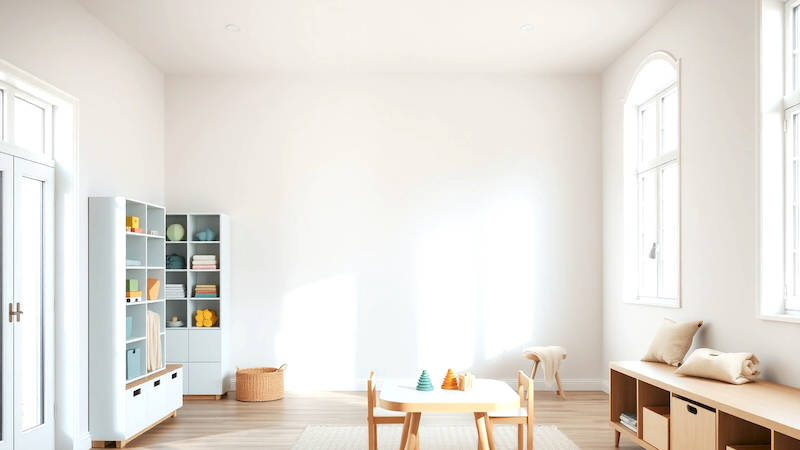
The kids’ room. For many parents, it’s the epicenter of joyful chaos – a space that ideally fosters creativity and imagination but often descends into a landscape littered with toys, clothes, and half-finished projects. While a certain level of mess is inevitable (and even desirable!), a truly functional and supportive kids’ room isn’t about eliminating mess entirely; it’s about managing it. One of the most effective strategies for achieving this balance is through zoning. By deliberately dividing the room into distinct areas dedicated to specific activities, you can create a space that’s not only more organized but also encourages focus, promotes independence, and supports healthy development. This approach acknowledges that children, like adults, benefit from having dedicated spaces for different aspects of their lives.
Zoning isn’t just about aesthetics; it's a foundational organizational principle. A well-zoned room reduces overwhelm, both for the child and the parent. It guides behavior, making it easier to transition between activities and encouraging responsibility for tidying up specific areas. Think of it like creating miniature ‘homes’ within the room, each designed for a specific purpose. This conscious design fosters a sense of order, which, research shows, can positively impact a child’s cognitive function and emotional well-being. Furthermore, adapting zones as your child grows is key to maintaining functionality over time, a factor often overlooked in initial room setups.
- Defining Activity Zones: Key Areas to Consider
- Physical Separation & Visual Cues: Demarcating Zones
- The Sleep Zone: Prioritizing Rest & Relaxation
- The Play Zone: Fostering Creativity & Imagination
- The Learning/Creative Zone: Supporting Academic & Artistic Pursuits
- Storage Solutions: The Backbone of Successful Zoning
- Adapting Zones Over Time: The Importance of Flexibility
Defining Activity Zones: Key Areas to Consider
The first step in zoning a kids’ room is identifying the core activities that need dedicated spaces. These will vary depending on your child's age, interests, and the size of the room. However, some consistently beneficial zones include a sleep zone, a play zone, a learning/creative zone, a dressing/grooming zone, and a storage zone. Consider your child’s daily routine when prioritizing these areas. For younger children, the play zone often dominates, while for older kids, the learning zone might take precedence. It's critical not to force zones that don’t fit your child’s interests or needs; the goal is to create a space that supports their habits, not imposes new ones.
For instance, a budding artist might benefit from a dedicated creative zone with an easel, art supplies, and ample surface space. A child who loves building might need a larger play zone that can accommodate LEGOs, blocks, and other construction toys. Be realistic about space constraints. In smaller rooms, zones might overlap or be multi-purpose – a reading nook can double as a quiet corner for imaginative play, for example. Don't try to cram too much into one room; prioritizing a few key zones and executing them well is far more effective than attempting to incorporate everything at once.
Physical Separation & Visual Cues: Demarcating Zones
Once you’ve identified the zones, the next step is to physically and visually define them. Physical separation can be achieved through furniture placement, rugs, shelving units, or even room dividers. A rug strategically placed under a play table instantly defines a play zone, while a bookshelf can create a natural boundary between the learning and sleep areas. Consider the flow of the room – does it make sense to have the play zone furthest from the bed to minimize disruption during bedtime?
Visual cues are equally important. Color-coding can be used to differentiate zones – perhaps a brighter color palette for the play zone and calmer tones for the sleep zone. Wall decals, artwork, and lighting can also play a role. "A well-lit learning zone is critical for younger students,” says child development specialist Dr. Anya Sharma. "Adequate lighting reduces eye strain and promotes focus.” Beyond aesthetics, consistent labeling of storage bins and areas reinforces the purpose of each zone and encourages independent organization. Implementing a 'everything has a home' rule within each zone helps maintain order once things are established.
The Sleep Zone: Prioritizing Rest & Relaxation
The sleep zone is arguably the most vital, even if it's often the smallest. This area should be designed to promote calm and relaxation, conducive to a good night's sleep. Minimalism is key here. Avoid clutter and stimulating elements like bright colors or busy patterns. A comfortable bed, a bedside lamp, and a small shelf for books are usually sufficient. Blackout curtains are a game-changer, especially for children who are sensitive to light.
Consider incorporating calming scents, such as lavender, through a diffuser or linen spray. The sleep zone should be a screen-free zone – all electronic devices should be charged and stored outside of this area. Establishing a consistent bedtime routine and making the sleep zone a sanctuary will significantly improve sleep quality, benefiting your child's overall health and development. According to the National Sleep Foundation, children need varying amounts of sleep depending on their age, with consistent routines being vital for optimizing these benefits.
The Play Zone: Fostering Creativity & Imagination
The play zone is where the magic happens. This area should be flexible and adaptable, allowing for a variety of activities. Open floor space is crucial, but incorporating modular furniture or play mats can define the area and make it more inviting. Rotate toys regularly to keep things fresh and engaging. A storage system is essential for managing the inevitable chaos.
Think vertically – shelves, bins, and hanging organizers maximize space. Categorize toys to make cleanup easier – a bin for building blocks, a bin for cars, a bin for dolls, etc. Consider incorporating a play tent or a small table and chairs for more focused play. "The play zone isn’t just a space for play; it’s a space for problem-solving, creativity, and social interaction," explains early childhood educator, Maria Rodriguez. "Providing a stimulating environment with diverse toys fosters these essential skills.” This zone will likely require the most frequent adjustments as your child’s interests evolve.
The Learning/Creative Zone: Supporting Academic & Artistic Pursuits
As children get older, the learning/creative zone becomes increasingly important. This area should be designed to encourage focused work and creative expression. A desk or table, a comfortable chair, and adequate lighting are essential. Keep supplies organized and accessible. A corkboard or whiteboard can provide a space for displaying artwork, assignments, and inspiration.
Prioritize quiet and minimize distractions. If possible, position the learning zone away from high-traffic areas. Encourage your child to personalize the space with items that inspire them. For younger children, this zone might focus more on arts and crafts. As they enter school, it will become the hub for homework and studying. A good organization system, with labeled containers and designated spaces for specific materials, will be vital for sustaining focus and minimizing frustration.
Storage Solutions: The Backbone of Successful Zoning
Effective storage is the keystone of successful zoning. Without it, even the most well-defined zones will quickly succumb to clutter. Invest in versatile storage solutions that can adapt to your child's changing needs. Baskets, bins, shelves, drawers, and hanging organizers are all valuable tools. Label everything clearly and consistently. Teach your child to put things back in their designated spots after use.
Consider using clear bins so they can easily see what’s inside. Utilize vertical space whenever possible. Under-bed storage containers are excellent for storing seasonal items or toys that are not frequently used. Regularly declutter the room with your child, donating or discarding items that are no longer needed or used. This teaches valuable life skills and prevents the accumulation of unnecessary clutter. Furthermore, involve your child in the storage setup process; their input will increase their ownership and compliance.
Adapting Zones Over Time: The Importance of Flexibility
Children grow and change rapidly, and their needs will evolve accordingly. The zones you create today may not be the zones they need tomorrow. Regularly reassess the layout and functionality of the room. Be prepared to adapt zones as your child's interests and activities shift. For example, a play zone might eventually transform into a study area, or a reading nook might become a space for practicing a musical instrument.
Flexibility is key. Choose furniture that can be easily rearranged or repurposed. Avoid making permanent changes that cannot be undone. Involve your child in the process of redesigning the room, listening to their input and incorporating their ideas. This fosters a sense of ownership and encourages them to take responsibility for maintaining the space. Creating a room that evolves with your child, rather than remaining static, is the ultimate goal.
In conclusion, zoning a kids’ room is a powerful strategy for creating a more organized, functional, and supportive environment. By deliberately dividing the space into distinct areas dedicated to specific activities, you can reduce overwhelm, encourage independence, and promote healthy development. Remember to prioritize your child’s needs and interests, utilize effective storage solutions, and be prepared to adapt zones as they grow and change. The benefits of a well-zoned kids’ room extend far beyond aesthetics – it’s an investment in your child’s well-being and a foundation for a more peaceful and harmonious home life. Start small, focus on one zone at a time, and celebrate the progress along the way. The result will be a space that truly nurtures your child’s potential and supports their journey of growth and discovery.
Deja una respuesta