
Step-by-Step Guide to Building Custom Toy Storage Cubes
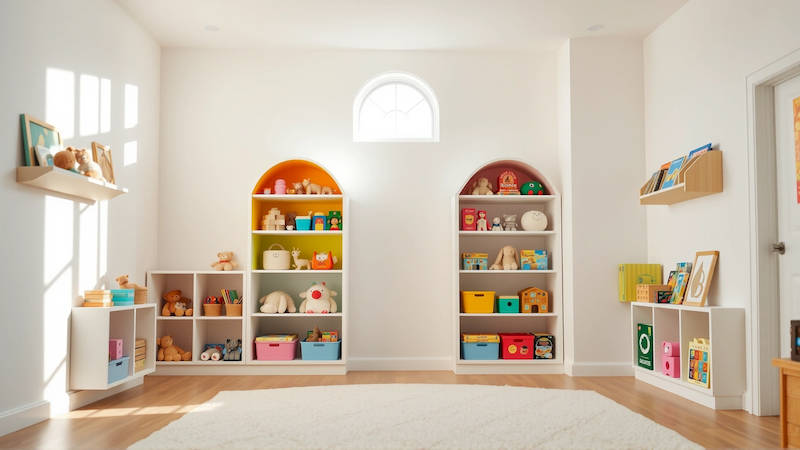
The chaos of kids’ toys. It’s a universal parental experience. Stepping on a rogue LEGO brick at 3 AM is practically a rite of passage. But beyond the occasional painful step, a consistently cluttered playroom can contribute to stress, overwhelm, and even hinder a child’s ability to focus and play creatively. Efficient toy storage isn’t just about aesthetics; it’s about fostering an environment conducive to learning, imagination, and peaceful family life. While pre-made storage solutions abound, a custom-built storage cube system offers unparalleled flexibility, allowing you to tailor the system precisely to your space, your child's needs, and your aesthetic preferences. This guide will walk you through the process, from initial planning to final assembly, empowering you to conquer the toy clutter and create a functional, beautiful playroom.
Many parents underestimate the positive impact of organized space on a child’s development. Studies have shown a correlation between organized environments and improved executive functioning skills – things like planning, prioritizing, and focusing. “When a child knows where things belong, it reduces cognitive load and allows them to engage more fully in play,” explains Dr. Laura Markham, a clinical psychologist and author of Peaceful Parent, Happy Kids. Investing time in building a custom storage solution is, therefore, an investment in your child’s well-being and a commitment to a more peaceful home. Beyond the developmental benefits, being able to customize the size, color, and configuration provides a tidy, creative space that rewards both children and parents.
- Planning Your Custom Storage Cubes: Needs Assessment and Design
- Gathering Materials and Essential Tools
- Cutting and Assembling the Cube Frames
- Finishing Touches: Painting, Staining, and Adding Backing
- Integrating Bins, Baskets and Labeling for Maximum Organization
- Conclusion: A Playroom Transformed and Lessons Learned
Planning Your Custom Storage Cubes: Needs Assessment and Design
Before you even pick up a piece of wood, meticulous planning is crucial. Start with a comprehensive needs assessment. What types of toys do you need to store? Are we talking primarily small toys like LEGOs and action figures, large stuffed animals, books, art supplies, or a mix of everything? The answer will dictate the size and configuration of your cubes. Next, measure your space accurately. Consider the room's footprint, existing furniture, and potential traffic flow. Sketch out a rough floor plan, exploring different layouts. Will you be building a standalone unit or integrating the cubes into existing shelving or a wall feature? Don't forget to account for vertical space; building upwards can significantly maximize storage capacity. Consider your child’s age and accessibility needs – lower cubes are ideal for younger children who need to reach their toys independently.
Once you have a basic layout in mind, it’s time to determine the dimensions of your cubes. A common size is 13x13x13 inches, but you can adjust this based on your toy collection and aesthetic preferences. Think about the materials you’ll use. MDF (Medium Density Fiberboard) is cost-effective and easy to paint, but it’s less durable than solid wood like pine or birch. Plywood is a good compromise, offering a balance of affordability and strength. Remember to factor in the thickness of your chosen material when calculating the overall dimensions of your unit. Sketching multiple iterations will help refine the overall design. Don’t be afraid to explore inspiration online - Pinterest and Instagram are treasure troves of DIY storage ideas.
Finally, consider the aesthetic. Will you paint the cubes a bright, cheerful color, or opt for a neutral tone that blends with the room’s décor? Do you want open cubes, or will you be adding fabric bins or doors to conceal some of the clutter? The goal is to create a storage solution that is both functional and visually appealing. This initial stage is the most important, as it sets the foundation for a successful build. A well-planned design will save you time, money, and frustration in the long run.
Gathering Materials and Essential Tools
With your plan solidified, it's time to gather the necessary materials and tools. This will vary slightly depending on your chosen design and materials, but here’s a comprehensive checklist. For the cubes themselves, you’ll need your chosen wood (MDF, plywood, or solid wood), wood screws, wood glue, and sandpaper (various grits, from coarse to fine). You'll also need primer and paint or stain if you plan to finish the cubes. To assemble the unit, you’ll likely need additional materials such as backing boards (optional, for stability), and potentially corner brackets or reinforcing supports.
The essential tool list includes a measuring tape, pencil, safety glasses, a power drill with various drill bits, a saw (circular saw, jigsaw, or hand saw, depending on your preference and skill level), a screwdriver, a sanding block or electric sander, a paint brush or roller, and potentially a wood clamp. A level is essential for ensuring that your unit is square and stable. Having a speed square will help make precise cuts. For more complex designs, a router can be useful for creating decorative edges or dado joints. While a jigsaw allows for curved cuts, it requires a steady hand and considerable practice. Careful tool selection and preparation will greatly enhance the construction process.
Remember to prioritize safety. Always wear safety glasses when cutting or sanding wood. Work in a well-ventilated area, especially when painting or staining. If you’re unfamiliar with power tools, consider taking a workshop or seeking guidance from someone with experience. Paying attention to safety precautions will prevent accidents and ensure a smooth building experience.
Cutting and Assembling the Cube Frames
Now for the hands-on part! Begin by carefully measuring and cutting the wood pieces for your cubes according to your design. Accuracy is paramount; even slight errors can accumulate and result in misaligned cubes. Use a speed square to ensure that your cuts are square. If you're using a circular saw, a guide can help ensure straight cuts. Sand all cut edges thoroughly to remove splinters and prepare the surface for finishing. Once all the pieces are cut and sanded, it’s time to assemble the cube frames.
Apply wood glue to the edges of the side pieces and clamp them together. This provides a strong initial bond. Then, secure the pieces with wood screws, pre-drilling pilot holes to prevent the wood from splitting. Countersink the screws slightly to create a smooth surface. Repeat this process for all the cubes you plan to build. Ensure that each cube is square by using a level to check the corners. Allow the glue to dry completely before proceeding. This is arguably the most critical step, as a solid and square frame is the foundation of the entire storage system. Precise measurements and careful assembly are vital for a professional-looking finish.
Finishing Touches: Painting, Staining, and Adding Backing
With the cube frames assembled, you can move on to the finishing touches. Start by applying a coat of primer to the wood. This will create a smooth, even surface for the paint or stain and improve adhesion. Sand lightly after the primer dries to remove any imperfections. Then, apply two or three coats of paint or stain, allowing each coat to dry completely before applying the next. Choose a paint or stain that is durable and easy to clean, as the cubes will likely be subjected to wear and tear. Consider using a low-VOC paint to minimize off-gassing.
Adding a backing board to your storage unit can significantly increase its stability. Cut a piece of plywood or hardboard to the size of the back of the unit and attach it with wood screws or nails. This will prevent the unit from wobbling and provide a more finished look. You can also add decorative elements, such as trim or molding, to enhance the aesthetic appeal. Consider incorporating handles or pulls on any doors or drawers you've added. These seemingly small details can make a big difference in the overall look and functionality of your storage unit.
Integrating Bins, Baskets and Labeling for Maximum Organization
Once the structure is complete, it’s time to integrate organizing elements. Fabric bins, plastic baskets, and even repurposed cardboard boxes can be used to contain smaller toys and keep the cubes tidy. Choose bins that are the right size for your cubes and easy for your child to access. Color-coding bins can be an effective way to categorize toys – for example, blue bins for building blocks, red bins for art supplies, and green bins for cars and trucks.
Labeling is key to maintaining long-term organization. Use a label maker or write neatly on labels to identify the contents of each bin or cube. Picture labels are especially helpful for younger children who haven’t yet learned to read. Remind your child to put toys back in their designated storage locations after playtime. Regularly assess the system and adjust it as your child's needs change. This is crucial for sustained success. “Organization is not a one-time event; it’s an ongoing process,” says professional organizer Marie Kondo, author of The Life-Changing Magic of Tidying Up. Building consistent routines and habits will ensure that your custom storage cubes remain functional and clutter-free for years to come.
Conclusion: A Playroom Transformed and Lessons Learned
Building custom toy storage cubes is a rewarding project that can transform a chaotic playroom into an organized and inviting space. From the initial planning stages to the final finishing touches, the process requires careful consideration, attention to detail, and a willingness to get your hands dirty. However, the benefits – a more peaceful home, a more focused child, and a functional space that fosters creativity – are well worth the effort. Remember to prioritize safety throughout the build process and to customize the design to your specific needs and preferences.
Key takeaways include the importance of meticulous planning, accurate measurements, and the use of quality materials. Don't be afraid to adapt the design to your space and your child's needs. Most importantly, remember that organization isn't just about aesthetics; it's about creating an environment that supports learning, growth, and imaginative play. With a little effort and dedication, you can build a custom storage solution that will last for years to come and bring a sense of calm and order to your home. The next step is simple – take the measurements, create your design, and start building! Your organized playroom awaits.
Deja una respuesta