
Maximizing Closet Space for Kids’ Clothes and Toys
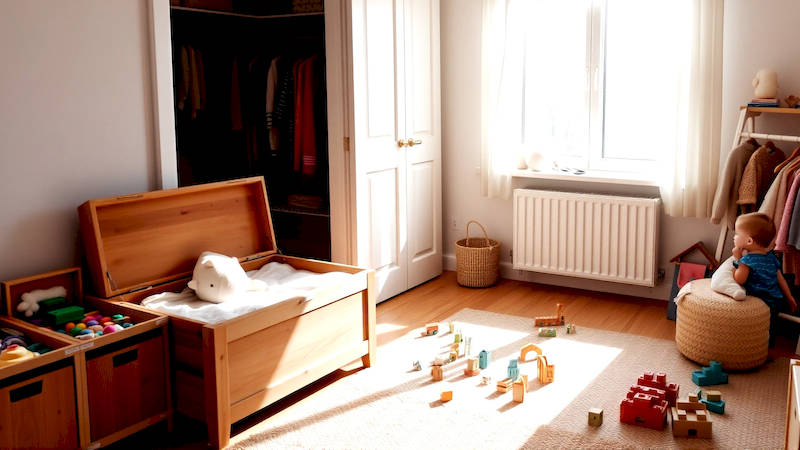
The chaos of children’s rooms is a universal experience for parents. Among the biggest culprits contributing to this delightful disarray? Closets. Often, these spaces quickly become black holes where clothes are lost, toys accumulate, and accessing anything requires a minor archaeological dig. But it doesn’t have to be this way. A well-organized closet isn’t just about aesthetics; it's about fostering independence in children, simplifying routines, and ultimately, reclaiming precious space in your home.
The reality is that kids outgrow clothing and accumulate belongings at an astonishing rate. According to a 2023 survey by the National Association of Moms, the average child receives 62 gifts per year, many of which end up adding to the clutter. This constant influx demands a proactive, rather than reactive, approach to closet organization. Many parents feel overwhelmed, thinking extensive renovations or expensive systems are necessary. However, with strategic planning and a few clever techniques, you can dramatically maximize the potential of your child's closet without breaking the bank.
This guide provides an in-depth exploration of maximizing closet space for kids’ clothes and toys, moving beyond simple decluttering to encompass long-term organizational strategies. We’ll cover everything from initial assessment and decluttering, to effective storage solutions, and maintaining organizational systems that will adapt as your child grows. The aim is to empower you to transform your child's closet from a source of stress into a haven of order.
- The Initial Purge: Decluttering with Purpose
- Harnessing Vertical Space: Shelving and Double Hanging Rods
- The Power of Bins and Baskets: Containment and Categorization
- Toy Storage Integration: Blending Clothes and Play
- Maintaining the System: Habits for Long-Term Success
- Adapting to Growth: Future-Proofing Your Closet Organization
- Conclusion: Reclaiming Space and Simplifying Life
The Initial Purge: Decluttering with Purpose
The cornerstone of any successful closet organization project is a thorough declutter. Before investing in bins, shelves, or fancy organizers, you must ruthlessly edit what's already inside. This isn’t just about getting rid of items; it's about creating a space where everything has a designated place and is easily accessible. Start by taking everything out of the closet. Seeing the sheer volume of stuff outside the enclosure can be a real eye opener and a strong motivator.
Once everything is out, sort items into four distinct piles: Keep, Donate, Sell, and Trash. Be brutally honest with yourself. For clothing, ask: Does it still fit? Is it in good condition? Has my child worn it in the past six months? If the answer to any of these questions is no, it’s likely time to part ways with the item. Often, parents hold onto clothes “just in case,” but this leads to overcrowded closets and unused items. Remember, the goal isn't to save every single outfit, but to keep the clothes your child actively uses and enjoys.
Don't forget to involve your child in the process, age-appropriately. For younger children, it can be framed as "helping other kids who need clothes." For older children, allow them to have a say in what they want to keep, fostering a sense of responsibility and ownership. After decluttering, clean the empty closet thoroughly before beginning the organization phase.
Harnessing Vertical Space: Shelving and Double Hanging Rods
One of the most common mistakes in kids’ closet organization is failing to utilize vertical space. Most closets are designed with a single hanging rod, leaving a significant amount of unused area above and below. This is a prime opportunity to install additional shelving or a double hanging rod system. Shelving is particularly useful for folded clothes, shoes, and bins containing smaller items like socks or underwear. Adjustable shelves offer the most flexibility, allowing you to customize the height according to your child’s needs and the size of their belongings.
A double hanging rod system essentially doubles your hanging space. This is especially beneficial for smaller closets or for children with a large wardrobe of shirts, dresses, or pants. You can dedicate the upper rod to shirts and blouses, and the lower rod to pants, skirts, and shorts. Consider using tiered hangers that allow you to hang multiple items vertically, saving even more space. "We often underestimate the availability of vertical space in closets," explains professional organizer Marie Kondo, author of The Life-Changing Magic of Tidying Up. "Utilizing this space effectively is a simple yet powerful way to create order."
When choosing shelving and hanging systems, prioritize durability and safety. Ensure shelves are securely mounted and can withstand the weight of the items they will hold. Hanging rods should be strong enough to support the weight of multiple garments.
The Power of Bins and Baskets: Containment and Categorization
Bins and baskets are your allies in the battle against closet chaos. They’re incredibly versatile and offer a simple, yet effective, solution for containing smaller items that tend to get lost or scattered. The key is to choose the right size and type of bins for your specific needs and to label them clearly. Clear bins allow you to easily see the contents without having to open them, while opaque bins are better for items that you don’t need to access frequently.
Categorize items within the bins for optimal organization. For example, you could have a bin for “summer shorts,” a bin for “winter hats and gloves,” and a bin for “art supplies.” Use different colored bins to further differentiate categories, especially for younger children who may not yet be able to read labels. Consider using fabric bins for soft items like stuffed animals and clothing, and plastic bins for more durable items like toys and games.
Remember to rotate the contents of the bins seasonally. As the weather changes, swap out the seasonal clothing and store the off-season items in a less accessible location, such as under the bed or in the attic. This keeps your child’s closet streamlined and prevents it from becoming overcrowded with items they aren’t currently using.
Toy Storage Integration: Blending Clothes and Play
While the primary focus is on clothing, the reality is that many kids’ closets also have to accommodate toys. Integrating toy storage into the closet's organization can prevent toys from overflowing into other parts of the room. Utilize the upper shelves for larger toys, board games, or puzzles. Use bins and baskets to organize smaller toys, such as LEGOs, building blocks, or action figures.
Consider incorporating a rotating toy system, where you only keep a limited number of toys in the closet and rotate them regularly. This helps to prevent boredom and keeps your child engaged with their belongings. When choosing toy storage solutions, prioritize safety and accessibility. Avoid bins with sharp edges and ensure that toys are stored within reach of your child. According to a study published in the Journal of Developmental Psychology, providing children with organized spaces can promote self-regulation and reduce stress.
Be mindful of the "toy creep." If toys constantly spill into the clothing areas, regularly revisit the system and reinforce boundaries. Perhaps a designated toy bin limit is needed, or a more distinct separation between clothing and toy zones.
Maintaining the System: Habits for Long-Term Success
Organizing a closet is only half the battle. Maintaining the system is crucial for long-term success. Establish simple habits that will keep the closet tidy and prevent it from reverting to chaos. Encourage your child to put away their clothes immediately after wearing them or washing them. Implementing a laundry routine where folding and putting away are part of the process is essential.
Schedule regular closet “check-ins” – perhaps once a month – to declutter any new items that have accumulated and to reorganize the existing ones. During these check-ins, also assess whether the current organizational system is still working effectively. As your child grows and their needs change, you may need to adjust the system accordingly. "Consistency is key," says professional organizer Cassandra Aarssen, founder of ClutterBug. "Even small, daily habits can make a big difference in maintaining an organized space."
Finally, remember that imperfection is okay. A perfectly organized closet is not a realistic goal. The aim is to create a functional and manageable space that reduces stress and simplifies your life.
Adapting to Growth: Future-Proofing Your Closet Organization
Kids grow - quickly! An organization system that works for a toddler will undoubtedly need adjustments as they transition to preschool and beyond. Think about adaptability when you initially organize. Modular shelving units that can be easily reconfigured are excellent investments. Hanging rods that adjust in height are similarly helpful.
As your child gains more independence, empower them to participate more fully in the organization process. Teach them how to categorize their clothes and toys, and encourage them to take ownership of their space. This not only fosters responsibility but also helps them develop valuable life skills. Periodically reassess the closet layout and storage solutions to ensure they continue to meet your child's evolving needs. Don’t be afraid to experiment with different approaches until you find what works best for your family.
Conclusion: Reclaiming Space and Simplifying Life
Maximizing closet space for kids’ clothes and toys is more than just an organizational task; it’s an investment in a more peaceful and functional home. By embracing a strategic approach that includes thorough decluttering, utilizing vertical space, employing effective containment solutions, and establishing consistent maintenance habits, you can transform a chaotic closet into an organized oasis. Remember the core principles: Purge relentlessly, categorize comprehensively, and maintain consistently.
The key takeaways from this guide are threefold: First, prioritize decluttering before investing in any organizational products. Second, always consider utilizing the full vertical space available. Finally, involve your child in the process to foster a sense of ownership and responsibility. Implementing these strategies will not only reclaim valuable space in your home, but will also simplify your daily routines, reduce stress, and create a more harmonious living environment for the whole family. It’s time to move beyond the chaos and create a closet that truly works for you and your child.
Deja una respuesta