
DIY Toy Chest Makeovers That Double as Seating
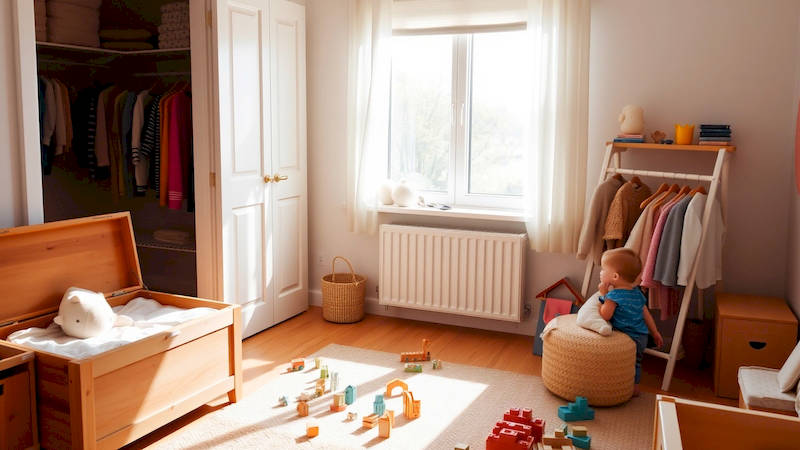
The battle against toy clutter is a universal parenting challenge. It’s a constant cycle of tidying up, only to have the chaos reignite within hours. Beyond the aesthetic frustration, excessive clutter can also impact a child’s development, hindering focus and potentially increasing stress levels. According to a study by the University of California, Los Angeles, children in cluttered environments exhibit higher levels of cortisol, the stress hormone. However, clever organization isn’t just about minimizing mess; it's about fostering independence, encouraging responsibility, and creating a functional, welcoming space for play and learning. A toy chest is a classic solution, but what if it could be more than just storage?
Transforming a simple toy chest into a comfortable seating area is a fantastic way to maximize space, add a touch of whimsy, and create a dedicated zone for reading, building, or quiet play. It shifts the perception of tidying from a chore to an invitation to a cozy corner. Not only is this a practical solution for smaller rooms, but empowering children with a space that is both functional and comfortable can positively impact their play habits and their sense of ownership over their belongings. This article will guide you through several DIY approaches to revamp your toy chest, transforming it into a stylish and practical seating solution.
- Assessing Your Existing Toy Chest & Planning Your Makeover
- Strengthening & Modifying the Chest Structure for Seating
- Cushion Creation: Comfort and Safety Considerations
- Aesthetic Enhancements: Painting, Decoupage & Fabric Choices
- Adding Finishing Touches & Safety Checks
- Beyond the Basics: Unique Toy Chest Seating Ideas
- Conclusion: A Cozy Corner for Play and Organization
Assessing Your Existing Toy Chest & Planning Your Makeover
Before diving into the creative process, a thorough assessment of your existing toy chest is essential. Consider its current condition, material, and structural integrity. Is it sturdy enough to withstand regular use as a seat? What is its overall aesthetic? A solid wood chest will require different preparation than a plastic one. Taking measurements – length, width, and height – is crucial for planning any modifications, especially when it comes to adding cushioning or a lid that can support weight. Don't underestimate the importance of safety first – check for any sharp edges or protruding hardware that needs addressing.
Beyond the chest itself, think about the overall style of the room. Do you prefer a modern, minimalist aesthetic, or a more whimsical, character-themed design? Pinterest, Instagram, and interior design blogs are valuable resources for inspiration. Gathering visual references will help guide your color choices, fabric selections, and overall design direction. Equally important is considering the age and preferences of your child. A toddler might appreciate bright colors and playful patterns, while an older child might prefer a more sophisticated look. Involving your child in the planning process can further enhance their connection to the space.
Finally, establish a realistic budget and timeline. The cost of materials can vary significantly depending on your chosen design and level of customization. Break down the project into manageable steps and allocate sufficient time for each task. Remember, a well-planned project is far more likely to succeed—and be enjoyed— than a rushed one.
Strengthening & Modifying the Chest Structure for Seating
Simply adding a cushion to a flimsy toy chest is not a solution; it’s a recipe for disaster. Prior to any aesthetic improvements, ensure the chest can safely handle the weight of a child. For wooden chests, this often involves reinforcing the corners and sides with additional wood bracing secured with screws. If the lid feels weak, consider adding hinges designed for heavier loads or replacing the existing ones. Pay attention to the lid’s opening mechanism; ensure it doesn’t slam shut and potentially pinch fingers. Soft-close hinges are an invaluable addition, particularly for younger children.
If the existing chest is made of particleboard or a similar composite material, reinforcement is even more crucial. These materials are less durable than solid wood and can easily crumble under pressure. Consider adding a plywood lining to the inside, particularly to the bottom and sides, to provide additional support. This will also create a smoother surface for the cushioning. When making structural modifications, always use appropriate safety gear, including eye protection and a dust mask. Improperly secured modifications can pose a significant safety hazard.
For plastic chests, reinforcing the structure is more limited, however you can address the lid by adding a supportive frame internally made of wood, securely fastened to the lid itself. You’ll need to drill holes carefully and use appropriate plastic-compatible fasteners. This adds weight, but significantly enhances stability.
Cushion Creation: Comfort and Safety Considerations
The cushion is arguably the most important element of the transformation, providing both comfort and a visually appealing finish. The thickness and density of the cushion will impact both comfort and structural support. For younger children, a thicker, firmer cushion is generally preferable to provide better support and prevent them from sinking in too deeply. For older children, a softer, more plush cushion might be preferred.
Consider the materials used for both the cushion core and the upholstery fabric. High-density foam is a durable and supportive option for the core. Polyurethane foam is a cost-effective alternative, but it may not be as resilient over time. Ensure the foam is appropriately sized to fit snugly within the chest, leaving no gaps at the sides. The upholstery fabric should be durable, washable, and free of harmful chemicals. Fabrics like canvas, denim, and outdoor fabrics are excellent choices. Always check fabric labels for flammability ratings and ensure they meet safety standards.
When constructing the cushion, consider adding a removable cover for easy cleaning. A zipper closure is a convenient option. Ensure all seams are securely sewn to prevent tearing. For an extra touch of comfort, consider adding a layer of batting or quilt padding beneath the upholstery fabric. This will provide a softer surface and enhance the overall comfort of the seating area.
Aesthetic Enhancements: Painting, Decoupage & Fabric Choices
Once the structural and comfort aspects are addressed, it’s time to unleash your creativity with aesthetic enhancements. Painting is a simple and effective way to transform the look of a wooden toy chest. Choose a paint color that complements the room's décor or reflects your child's personality. Always prime the wood before painting to ensure the paint adheres properly and provides a smooth finish. Several coats of paint may be necessary for full coverage. Consider using low-VOC paints to minimize exposure to harmful fumes.
Decoupage, the art of decorating with paper cutouts, is another fun and creative option. You can use patterned paper, fabric scraps, or even old maps to create a unique and personalized design. Seal the decoupage with multiple coats of varnish to protect the surface and prevent the paper from peeling. For a more whimsical look, consider adding stencils or hand-painted details.
The fabric choice for the cushion and any additional trim will significantly influence the overall aesthetic. Coordinating the fabric with the room’s color scheme and other décor elements will create a cohesive look. Consider adding decorative embellishments such as buttons, ribbons, or piping to personalize the design. Remember to prioritize safety – avoid small embellishments that could pose a choking hazard for young children.
Adding Finishing Touches & Safety Checks
The final steps involve adding those finishing touches that elevate the toy chest into a truly special piece. Consider adding casters to the bottom of the chest for easy maneuverability. This is particularly useful for smaller rooms where space is at a premium. Secure the casters properly to ensure they can support the weight of the chest and its contents.
Adding storage pockets to the sides of the chest can provide convenient access to frequently used items like books or art supplies. These pockets can be made from fabric scraps or purchased pre-made. Ensure they are securely attached to the chest to prevent them from tearing or falling off.
Before declaring the project complete, perform a thorough safety check. Ensure all screws are tight, edges are smooth, and there are no potential pinch points. Test the stability of the chest by applying weight to the lid to ensure it can support a child’s weight. Double-check that all materials are non-toxic and meet safety standards. This final inspection is crucial to ensure your newly transformed toy chest provides a safe and enjoyable seating area for your child.
Beyond the Basics: Unique Toy Chest Seating Ideas
While the previous steps provide a solid foundation, there’s plenty of room for creativity. Consider building a wraparound backrest using plywood and cushioning for added comfort and support. This transforms the chest into a mini-sofa. Another idea is to create a themed toy chest, such as a pirate ship or a princess castle, using paint, fabric, and accessories. A simple way to customize a plain chest is to apply self-adhesive wallpaper or contact paper with a playful pattern. Don't be afraid to experiment and let your imagination run wild.
Remember to prioritize functionality and safety. A well-designed toy chest seat should be both comfortable and practical, providing a dedicated space for play and storage. And finally, Involve your child in any phase of the construction. They will be excited about the project and feel a sense of accomplishment after it’s completed.
Conclusion: A Cozy Corner for Play and Organization
Transforming a toy chest into a comfortable seating area is an achievable DIY project that brings both functionality and whimsy to any child’s room. By carefully assessing your existing chest, prioritizing structural integrity, and embracing your creativity, you can create a dedicated space for play, reading, and quiet time. Remember to prioritize safety throughout the process, ensuring all materials are non-toxic and the construction is secure.
The key takeaways are simple: Planning is paramount. Reinforcement is crucial for safety. Cushion selection should balance comfort and support. Aesthetic choices should reflect the room’s style and your child’s personality. This isn’t just about tidying up toys; it’s about creating a positive and engaging environment that fosters imagination, responsibility, and a love of learning. Start with assessment, then proceed step-by-step. Your newly revamped toy chest will undoubtedly become a cherished feature in your child's world - a cozy corner for cherished memories and playful adventures.
Deja una respuesta