
How to Create a Reading Nook That Encourages Tidiness
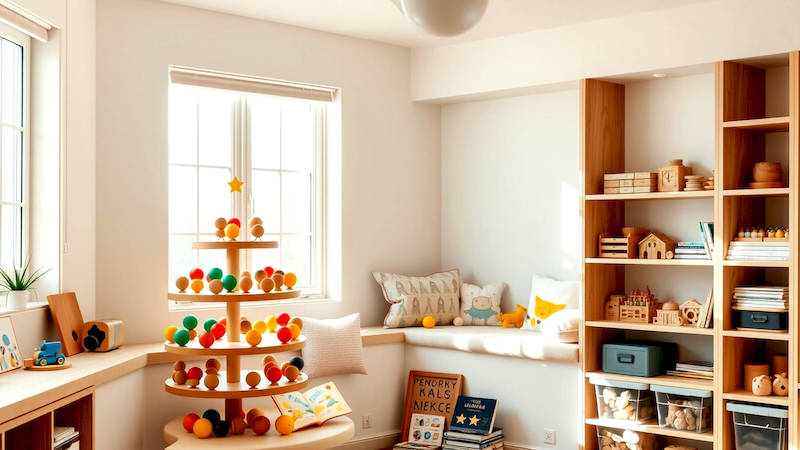
Reading is fundamental – not only for cognitive development in children but also for fostering a lifelong love of learning and imagination. Creating a dedicated reading space, a reading nook, is a fantastic way to nurture that love. However, children’s spaces, particularly those dedicated to enjoyment, have a notorious tendency to become… chaotic. The good news is that a thoughtfully designed reading nook can actively discourage mess and promote a sense of calm and order. It's about blending comfort, accessibility, and clever organizational strategies. This article will guide you through the process of creating a reading nook that isn't just inviting, but also naturally encourages tidiness, fostering a space where both books and belongings find their place. We’ll move beyond simply adding a comfy chair to explore the psychology of space, the power of accessible storage, and how to cultivate habits that keep the clutter at bay.
The key to success lies in integrating organizational systems from the outset, rather than attempting to impose order upon a previously messy area. It’s about anticipatory design - foreseeing how the space will be used and building in the systems to support that use. A well-planned nook will make putting things away intuitive and easy, appealing even to the most toy-inclined child. We’ll explore how to leverage this principle to cultivate a reading haven that fosters a love of books without generating a mountain of mess afterwards. This guide will delve into practical strategies applicable to varying room sizes and budgets, acknowledging that every child, and every space, is unique.
- Defining the Space & Considering the Psychology of Comfort
- Choosing Furniture That Prioritizes Both Comfort & Storage
- Accessible Book Storage: The Cornerstone of a Tidy Nook
- Implementing Easy-to-Follow Organization Systems
- Cultivating Tidy Habits: Modeling & Positive Reinforcement
- Personalization & Ongoing Maintenance: Keeping the Nook Vibrant
Defining the Space & Considering the Psychology of Comfort
Before diving into furniture and storage, it’s crucial to carefully define the physical space designated as the reading nook. Don’t necessarily think "corner of the room" is the only option. It could be a cozy alcove, a section of a larger playroom, or even a creatively sectioned-off area using a room divider or bookshelf. The location should ideally be away from major traffic areas and distractions like the television or play zones filled with high-energy activities. Consider the natural light availability – a spot near a window is wonderful, but ensure it can be shaded to prevent glare. The goal is to create a sanctuary, a distinct zone signaling “quiet time” and “relaxation.”
The psychology of comfort is also paramount. A reading nook should feel inviting. This doesn’t require expensive décor. Color plays a crucial role; softer, warmer tones like blues, greens, and grays tend to be calming. Layering textures – a plush rug, soft cushions, a knitted throw – enhances the sense of comfort and makes the space more visually appealing. Think about personalizing the space with elements your child loves, but strategically. Too many visually stimulating items can be counterproductive, contributing to a feeling of overwhelm rather than calmness. A curated collection of artwork or a few treasured stuffed animals are ideal, while large, sprawling toy displays should be reserved for other areas.
Crucially, make the space feel separate from the rest of the room, even if it isn’t physically isolated. This is where intention matters. A visually demarcated space encourages a mental shift, signaling to your child that this is a special area for specific activities, and subtly reinforcing the expectation of respectful treatment and tidiness. Think of it as establishing a 'zone' for calm and quiet engagement.
Choosing Furniture That Prioritizes Both Comfort & Storage
The furniture you select has a huge impact on both the comfort and the tidiness of the reading nook. A comfortable seat is non-negotiable. This could be a beanbag chair, a cozy armchair, a floor cushion arrangement, or even a small loveseat. However, don’t underestimate the power of integrated storage within the furniture itself. Ottomans with hidden storage, benches with lift-up lids, or even armchairs with built-in shelving are excellent choices. This encourages immediate storage – a habit that's much easier to cultivate when the storage is readily available at hand.
Beyond the seating, prioritizing storage is key. A small bookshelf is essential, but consider shelves of varying heights to accommodate books of different sizes and also display decorative items. Wall-mounted shelves are space-saving and keep the floor clear. Basket storage is incredibly versatile. They're perfect for holding stuffed animals, blankets, small toys, or even art supplies. Labeling the baskets – with pictures for younger children – makes it easier for them to understand where things go, promoting independent tidying. Avoid large, overpowering furniture pieces. A smaller, well-designed collection of items will make the space feel more inviting and less cluttered. As Marie Kondo famously advocates, choose items that "spark joy" and strategically curate the space accordingly, removing anything that doesn't contribute to the peaceful atmosphere.
Accessible Book Storage: The Cornerstone of a Tidy Nook
The way books are stored is arguably the most important aspect of a tidy reading nook. The goal is to make it incredibly easy for your child to access their books and to put them away. Front-facing book displays, where the covers are visible, are significantly more appealing to children than traditional side-facing shelves. This visual engagement encourages browsing and, importantly, makes it easier for them to identify where each book belongs.
Arrange books by size or color – this creates a visually pleasing aesthetic and simplifies the tidying process. Low shelves are essential, particularly for younger children, allowing them to independently access their books. Consider using bookends to keep books upright and prevent them from toppling over, minimizing mess. A further strategy is to implement a ‘book rotation’ system. Don't display all of your child's books at once. Rotate them seasonally or monthly, keeping a smaller, curated selection readily available and storing the rest out of sight. This prevents overwhelm and makes it easier to maintain order. It also introduces a sense of novelty, keeping your child engaged with their existing collection.
Implementing Easy-to-Follow Organization Systems
Simply providing storage isn’t enough. You need to implement organizational systems that are intuitive and easy for your child to follow. Labeling is crucial, as mentioned earlier. Use clear pictures or simple words to indicate what goes in each basket or on each shelf. Keep the labeling consistent throughout the nook to reinforce the concepts.
Color-coding can also be effective. Designate a specific color for different types of items – for example, blue for books, green for stuffed animals, and yellow for art supplies. This visual cue makes it easier for your child to sort and put things away. Consider a "drop zone" for recently used items. A small basket or designated area where your child can temporarily place books or toys before putting them away properly can prevent things from accumulating on the floor. The key is to make the system as simple and streamlined as possible, minimizing the effort required for tidying. Remember, the less friction there is, the more likely your child is to participate.
Cultivating Tidy Habits: Modeling & Positive Reinforcement
Creating a tidy reading nook isn’t just about physical organization; it's about instilling good habits. Modeling is the most powerful tool. Children learn by observing their parents. If you consistently tidy up your own spaces and demonstrate respect for belongings, your child is more likely to do the same.
Positive reinforcement is far more effective than punishment. Instead of scolding your child for leaving toys scattered, praise them when they tidy up. A simple “I really appreciate you putting your books back on the shelf!” can go a long way. Consider a small reward system for consistent tidiness – a sticker chart, extra reading time, or a special privilege. Make tidying a fun activity. Turn it into a game – “Let’s see who can put the most books away in one minute!” Finally, keep expectations age-appropriate. A three-year-old won’t be able to tidy a space as thoroughly as an eight-year-old. Focus on progress, not perfection, and celebrate small victories.
Personalization & Ongoing Maintenance: Keeping the Nook Vibrant
Once the nook is set up, personalize it with elements your child loves. Artwork they’ve created, family photos, or a cherished blanket can make the space feel uniquely theirs. However, be mindful of clutter. Regularly rotate artwork and personalize items to prevent the space from becoming overwhelming.
Ongoing maintenance is essential. Schedule a quick daily tidy-up – just five or ten minutes – to prevent mess from accumulating. A weekly deeper clean is also helpful. Involve your child in the maintenance process, making it a collaborative effort. The reading nook shouldn’t be a static space. It should evolve with your child’s interests and needs. As they grow, you may need to adjust the storage solutions or furniture to accommodate their changing preferences. A little flexibility and ongoing attention will ensure that the reading nook remains a beloved and tidy haven for years to come.
In conclusion, creating a reading nook that encourages tidiness is about more than just aesthetics. It’s about intentionally designing a space that fosters a love of reading, promotes calm, and instills good organizational habits. By prioritizing comfort, accessibility, and simple systems, you can transform a potentially chaotic corner into a treasured sanctuary. Remember to define the space intentionally, choose furniture with integrated storage, make books easily accessible, implement clear organizational systems, model tidy habits, and personalize the nook to reflect your child’s personality. The result will be a space where both books and belongings find their place, nurturing a lifelong love of reading and a respect for order. The key takeaway is to view tidiness not as a chore, but as an integral part of creating a nurturing and inspiring environment.
Deja una respuesta