
Multi-Functional Furniture Ideas for Small Kids' Rooms
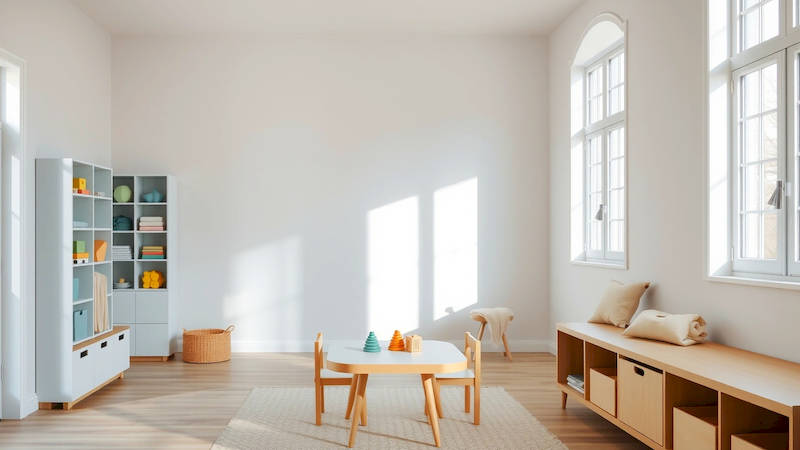
The challenge of keeping a kids’ room organized, especially in smaller homes or apartments, is a universal one for parents. Toys seem to multiply overnight, clothes outgrow little ones at warp speed, and the desire for dedicated play, sleep, and study spaces can feel impossible to fulfill within limited square footage. Traditional furniture often occupies valuable floor space, contributing to the feeling of clutter and confinement. Fortunately, the world of children’s furniture has evolved dramatically, offering a wealth of innovative, multi-functional pieces designed to maximize every inch of a small room. This article will delve into creative furniture solutions, providing practical ideas and considerations for creating a harmonious and organized space for your child. We’ll move beyond simple storage solutions and explore how furniture itself can actively contribute to a more functional and flexible kids’ room.
The need for space-saving solutions isn’t merely about aesthetics; it’s tied to a child’s development. A cluttered environment can be overstimulating, hindering concentration and creativity. Conversely, a well-organized space can foster a sense of calm, promote independent play, and support learning. According to a study by the National Association of Productivity and Organizing Professionals (NAPO), children who have designated spaces for specific activities tend to be more focused and responsible. Investing in multi-functional furniture isn’t just about saving space; it's about investing in your child’s well-being and development. The right furniture choices can truly transform a cramped room into a versatile and inviting haven.
- The Bed as a Foundation: Beyond Sleep
- Storage Ottomans and Benches: Seating with a Secret
- Wall-Mounted Desks and Folding Tables: Adapting to Daily Needs
- Shelving Solutions: Vertical Thinking and Display Space
- Transforming Furniture: The Ultimate in Adaptability
- Clever Storage Integration: Thinking Outside the Box
- Conclusion: A Space That Grows with Your Child
The Bed as a Foundation: Beyond Sleep
The bed often occupies the largest footprint in a child’s room, making it a prime candidate for multi-functionality. Lofts beds are a classic solution, instantly opening up floor space underneath for a play area, a study nook, or even a small reading corner. This is especially effective for older children and pre-teens who require a dedicated space for homework or hobbies. However, loft beds require careful consideration regarding safety – ensure appropriate railings and a secure ladder. For smaller children, a platform bed with built-in storage drawers underneath provides concealed storage for toys, clothes, or bedding, eliminating the need for bulky dressers or storage bins.
Further enhancing the bed's functionality involves considering trundle beds. A trundle bed is perfect for sleepovers or accommodating a second child and can be tucked away neatly when not in use. Modern designs even feature trundles that split into two separate beds, offering greater flexibility. Another innovative option is a bed system that incorporates desks or shelving units directly into its structure. These designs predefine zones within the room, streamlining organization. When choosing a bed with integrated features, consider the child's age and evolving needs, ensuring that the design will remain practical as they grow.
Finally, don't underestimate the power of a well-chosen headboard. Headboards with built-in shelves, cubbies, or even small desks offer discreet storage and create a convenient space for bedtime reading or displaying favorite items. This subtle integration of functionality can make a significant difference in a small room, maximizing vertical space and minimizing clutter.
Storage Ottomans and Benches: Seating with a Secret
Traditional seating often serves a single purpose. However, storage ottomans and benches are excellent examples of furniture that pulls double duty, providing both comfortable seating and valuable hidden storage. These pieces are particularly useful in playrooms or reading nooks, providing a place for children to sit comfortably while also offering a convenient spot to stash toys, books, or art supplies. Choose ottomans with hinged lids or benches with lift-up seats for easy access to the storage compartment.
The versatility of storage ottomans extends beyond playtime. They can be positioned at the foot of a bed to provide a convenient resting place and storage for blankets or pillows. In a small study area, a storage bench can serve as seating while housing school supplies or art materials. When selecting storage ottomans or benches, consider the material and durability. Opt for fabrics that are easy to clean and resistant to wear and tear, as these pieces will likely see a lot of use. Choosing colors or patterns that complement the room’s decor can also help them blend seamlessly into the space.
Consider the size and shape carefully. A longer bench provides more seating and storage capacity, while a smaller ottoman is ideal for tucking into tight spaces. Remember to match the height to other furniture in the room for a cohesive look.
Wall-Mounted Desks and Folding Tables: Adapting to Daily Needs
Dedicated desk space is essential for homework, art projects, and creative pursuits, but a traditional desk can take up a significant amount of floor space in a small room. Wall-mounted desks offer a clever solution, folding up against the wall when not in use, freeing up valuable floor space for play or other activities. These desks are particularly well-suited for smaller rooms or for children who only require a desk intermittently.
Folding tables are another excellent option for creating a flexible work or play area. These tables can be easily set up when needed and then folded away and stored when space is at a premium. Look for folding tables with sturdy frames and adjustable heights to accommodate growing children. Furthermore, think about incorporating shelving units above a wall-mounted or folding desk to create a complete study station without taking up precious floor space.
“Creating a flexible workspace for children is crucial,” notes child development expert Dr. Anya Sharma, “allowing them to seamlessly transition between tasks and maintain a sense of control over their environment.” This flexibility is easily achieved with wall-mounted and folding furniture. When selecting these options, prioritize safety features, such as rounded edges and secure locking mechanisms.
Shelving Solutions: Vertical Thinking and Display Space
Maximizing vertical space is key in any small room, and shelving units are an indispensable tool for achieving this. Traditional bookshelves can be bulky, but there are numerous space-saving alternatives available. Floating shelves create a streamlined look and offer a customizable storage solution. They can be arranged at varying heights and lengths to accommodate different-sized items.
Corner shelves are another excellent option for utilizing often-overlooked space. They cleverly fit into corners, providing additional storage without encroaching on valuable floor area. Consider using a combination of open and closed shelving. Open shelves are perfect for displaying books, toys, or decorative items, while closed cabinets or drawers can conceal clutter and keep frequently used items organized.
Beyond basic storage, shelving units can also serve as room dividers, creating distinct zones within a small space. A tall, open bookshelf can visually separate a play area from a sleep area, providing a sense of privacy and definition. Remember to secure tall shelving units to the wall to prevent tipping, especially in a child’s room. Select shelving that complements the room's aesthetic, contributing to a cohesive and visually appealing design.
Transforming Furniture: The Ultimate in Adaptability
Taking multi-functionality to the next level are transforming furniture pieces. These designs are specifically engineered to change configuration, seamlessly adapting to different needs throughout the day. A prime example is a convertible crib that transforms into a toddler bed, then a daybed, and ultimately a full-size bed, eliminating the need to purchase multiple beds as your child grows.
Another innovative option is a play table that can be converted into a desk or art station. These tables often feature reversible surfaces, with one side designed for creative play and the other for focused work. There are even furniture sets that combine a bed, a desk, and storage into a single unit, maximizing space and versatility. While often more expensive than individual pieces, transforming furniture represents a long-term investment in space and convenience.
The key to successful integration of transforming furniture lies in choosing pieces that truly meet your child’s needs and accommodate their evolving interests. Consider how the furniture will be used and ensure that the transformation process is easy and safe for your child to manage.
Clever Storage Integration: Thinking Outside the Box
Sometimes, the most effective solutions aren't about purchasing new furniture, but about repurposing existing items or thinking outside the box. Baskets and bins are essential for containing clutter and can be easily tucked away on shelves or under beds. Clear bins are especially useful, allowing you to quickly identify the contents without having to rummage through them.
Utilize wall space for storage by installing hooks for hanging backpacks, jackets, or art supplies. Over-the-door organizers are another great option for maximizing vertical space, providing additional pockets and compartments for storing small items. Repurpose old furniture pieces to create new storage solutions. For example, an old dresser can be painted and used as a changing table or toy storage unit.
Consider incorporating storage into unexpected places. The space under the stairs can be transformed into a cozy reading nook with built-in bookshelves, or a window seat can be fitted with storage drawers underneath. “It’s amazing what you can achieve with a little creativity and resourcefulness,” says professional organizer Marie Kondo, “focus on surrounding yourself with items that spark joy and finding a place for everything.”
Conclusion: A Space That Grows with Your Child
Creating an organized and functional kids’ room, even in a small space, is entirely achievable with careful planning and strategic furniture choices. Multi-functional furniture is more than just a trend; it’s a practical solution for maximizing space, promoting organization, and fostering a positive learning environment. From beds with built-in storage to transforming furniture sets, the options are numerous and adaptable to a wide range of needs and budgets.
The key takeaways from this exploration are to prioritize vertical space, embrace flexibility, and look for pieces that serve multiple purposes. Don’t be afraid to get creative with storage solutions and repurpose existing items. By thoughtfully selecting furniture and incorporating clever organization strategies, you can transform a cramped room into a versatile and inviting space that supports your child’s growth and development. Remember to continuously reassess and adapt the room's layout and furniture as your child's needs evolve, ensuring that it remains a functional and inspiring haven for years to come. Finally, involving your child in the organization process can instill a sense of ownership and responsibility, making it easier to maintain a clutter-free and harmonious environment.
Deja una respuesta