
Creative Use of Over-the-Toilet Storage Cabinets for Extra Space
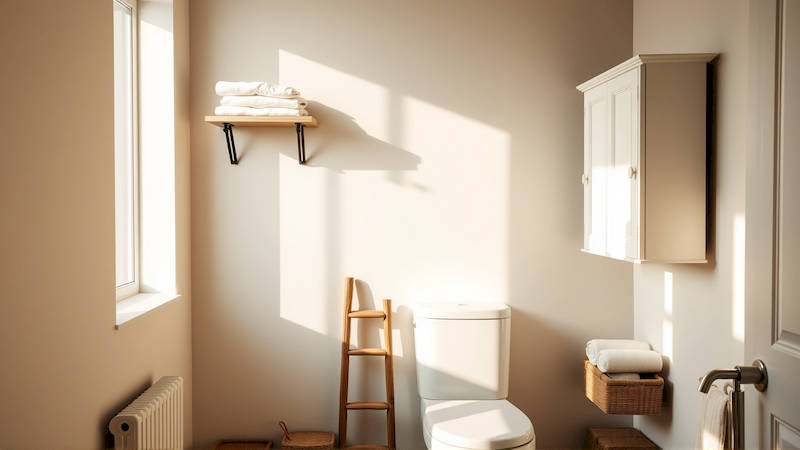
The bathroom, often the smallest room in the house, frequently bears the brunt of clutter. From toiletries and towels to cleaning supplies and personal care items, it’s a space that quickly becomes overwhelmed. This is especially true for those sharing a bathroom or living in smaller homes and apartments where maximizing space is paramount. While many focus on under-sink storage or wall-mounted shelves, a remarkably effective, yet often underutilized solution is the over-the-toilet storage cabinet. These unassuming fixtures offer a surprising amount of storage, helping to transform a chaotic bathroom into a sanctuary of order. This comprehensive guide delves into how to creatively use over-the-toilet storage cabinets, providing detailed advice on selection, organization, and maximizing every inch of available space.
For many, the area above the toilet is essentially “dead space” – visually present but functionally ignored. An over-the-toilet storage cabinet elegantly addresses this, utilizing vertical space that would otherwise remain unused. Beyond simply adding storage, a well-chosen and thoughtfully organized cabinet can significantly improve the bathroom’s aesthetic, creating a more relaxing and functional environment. It’s more than just about fitting more stuff into the room; it's about creating a system that promotes a sense of calm and control, streamlining your daily routines.
This article will explore the various options available, focusing on practical tips and design ideas to help you harness the full potential of this often-overlooked storage solution. We'll move beyond the basic functionalities and examine customization options, organizational strategies, and even address common pitfalls to avoid, ensuring you make the most informed decision for your bathroom’s specific needs. Ultimately, we aim to provide you with the knowledge to transform your bathroom from a source of stress to a haven of tranquility.
- Understanding the Landscape: Types of Over-the-Toilet Storage Cabinets
- Assessing Your Needs: Space, Style, and Storage Requirements
- Organization Strategies: Maximizing Internal Space
- Installation and Safety Considerations: A Step-by-Step Approach
- Beyond Functionality: Incorporating Style and Aesthetics
- Troubleshooting Common Issues and Maintenance Tips
- Conclusion: Reclaiming Your Bathroom Space
Understanding the Landscape: Types of Over-the-Toilet Storage Cabinets
Over-the-toilet storage cabinets aren’t a one-size-fits-all affair. They come in a diverse range of styles, materials, and functionalities to suit varying bathroom sizes, aesthetics, and storage requirements. Understanding these options is the crucial first step in making the right choice for your space. Broadly, cabinets fall into a few key categories: freestanding units, wall-mounted options, and those that incorporate both elements for enhanced stability. Freestanding cabinets are incredibly popular due to their ease of installation – no drilling required – and portability. They're generally more versatile, allowing for easy relocation if your bathroom layout changes.
Wall-mounted cabinets, on the other hand, offer a sleeker, more integrated appearance, particularly beneficial in smaller bathrooms where floor space is at a premium. Installation demands a degree of DIY skill or professional help to ensure secure mounting, but the result is a floating storage solution that feels less bulky. Finally, cabinets incorporating both freestanding bases and wall attachment points provide the best of both worlds. They offer enhanced stability, opposing the potential wobble associated with purely freestanding models, while retaining a degree of portability. “A common mistake is underestimating the weight capacity of a cabinet,” says interior designer Sarah Miller. “Especially if you plan to store heavier items like multiple towel sets or glass containers, ensure the cabinet is robustly constructed and adequately anchored."
Beyond construction, materials also play a significant role. MDF (Medium Density Fiberboard) offers affordability, but can be susceptible to moisture damage. Solid wood, while more expensive, is durable, aesthetically pleasing, and resists warping. Metal frames with glass shelving provide a modern, airy look and are particularly suited for displaying attractive toiletries. Consider your bathroom’s existing décor and moisture levels when selecting the appropriate material for longevity and stylistic harmony.
Assessing Your Needs: Space, Style, and Storage Requirements
Before rushing to purchase the first attractive cabinet you encounter, a thorough assessment of your needs is paramount. This involves carefully analyzing your bathroom’s dimensions, architectural style, and your specific storage challenges. Measure the width, depth, and height of the space above your toilet, taking into account any protruding pipes or fixtures that might interfere with installation. Paying attention to the toilet tank’s height is particularly important – you want to ensure sufficient clearance. Beyond measurements, consider the architectural style of your bathroom - a rustic bathroom would suit a wooden cabinet with a distressed finish, while a modern bathroom calls for a sleek, minimalist metal and glass design.
Furthermore, honestly evaluate what you need to store. Are you primarily looking for space for toiletries, towels, cleaning supplies, or a combination of all three? Categorizing your items will help determine the optimal cabinet configuration – shelves, drawers, cabinets with doors, or a blend thereof. Think about frequently used items; these should be readily accessible, while less frequently used items can be stored on higher, less convenient shelves. A common point of contention is often the limited depth of these cabinets. Often, standard depth isn’t enough for larger items, but choosing a model with adjustable shelves can partially address this concern.
Organization Strategies: Maximizing Internal Space
Simply having an over-the-toilet storage cabinet isn’t enough; effective organization is key to unlocking its full potential. Don't just haphazardly pile items inside; instead, implement a strategic system that prioritizes accessibility, visibility, and efficient use of space. Utilizing dividers and organizers within the cabinet is a game-changer. These can be as simple as adjustable shelves, plastic bins, or wire baskets, all of which help compartmentalize items and prevent them from tumbling over. Consider using clear containers so you can easily see what’s inside without having to rummage through everything.
Vertical space within the cabinet is also incredibly valuable. Stackable drawers or tiered organizers are excellent for maximizing vertical storage, particularly for smaller items like cotton balls, makeup, or skincare products. Don’t neglect the inside of the cabinet doors! Over-the-door organizers with clear pockets provide a convenient spot for storing frequently used items like hair accessories, travel-sized toiletries, or first-aid supplies. "The key is to think volumetrically," advises professional organizer Marie Kondo, author of "The Life-Changing Magic of Tidying Up." "Utilize every available inch, and don't be afraid to experiment with different organizational solutions until you find what works best for you." Regularly decluttering is also essential; remove unused or expired items to prevent the cabinet from becoming overcrowded and chaotic.
Installation and Safety Considerations: A Step-by-Step Approach
Correct installation is critical not only for the cabinet’s stability but also for your safety. While freestanding cabinets are relatively straightforward to set up, wall-mounted units require greater care and attention. Begin by carefully reading the manufacturer’s instructions, paying close attention to weight limits and mounting hardware requirements. For wall-mounted cabinets, accurately locate wall studs using a stud finder to ensure a secure and stable attachment.
If you’re unsure about your DIY skills, it’s best to hire a professional for installation, especially if you’re dealing with drywall or plaster walls. Before installing, double-check that all plumbing is accessible and won't be obstructed by the cabinet. Once installed, test the cabinet’s stability by applying gentle pressure. Equally important is anchoring the cabinet to the wall, even if it’s a freestanding model, to prevent tipping. Wall anchors are readily available at hardware stores and provide an extra layer of security. Regularly inspect the cabinet and its mounting hardware for any signs of wear and tear, and address any issues promptly to maintain safety and stability.
Beyond Functionality: Incorporating Style and Aesthetics
An over-the-toilet storage cabinet doesn't have to be a purely utilitarian addition to your bathroom. It can also serve as a stylish focal point, enhancing the overall aesthetic appeal of the space. Choosing a cabinet that complements your bathroom’s existing décor is crucial. Consider the color scheme, materials, and overall design style. A cabinet with decorative hardware, sleek lines, or a unique finish can add a touch of elegance and sophistication.
Furthermore, you can personalize the cabinet to reflect your individual style. Add decorative baskets, labels, or artwork to create a more inviting and visually appealing display. If your cabinet has glass doors, arrange items inside in an aesthetically pleasing manner, creating a curated collection of toiletries and accessories. "Don’t be afraid to treat your bathroom as you would any other room in your house," says home décor blogger Emily Henderson. “Add personality, texture, and elements that bring you joy.” A well-chosen and thoughtfully styled over-the-toilet storage cabinet can elevate your bathroom from functional to fabulous.
Troubleshooting Common Issues and Maintenance Tips
Even with careful planning, you may encounter some common issues with your over-the-toilet storage cabinet. Wobbling is a frequent complaint with freestanding models. To address this, ensure the cabinet is placed on a level surface and consider adding shims under the legs for stability. If wobbling persists, securely anchoring the cabinet to the wall is paramount. Another common issue is limited space. Regular decluttering is essential to prevent overcrowding, and utilizing clever organizational strategies, as discussed earlier, can maximize available space.
Maintaining your cabinet will ensure its longevity. Regularly wipe down the exterior with a damp cloth and mild cleaner. For wood cabinets, periodically apply a wood polish to protect the finish. Avoid exposing the cabinet to excessive moisture, as this can cause warping or damage. And finally, routinely check the hardware (hinges, knobs, handles) for looseness and tighten as needed.
Conclusion: Reclaiming Your Bathroom Space
Over-the-toilet storage cabinets offer a surprisingly effective solution for maximizing space and organization in the bathroom. By understanding the different types available, carefully assessing your needs, implementing strategic organizational strategies, and prioritizing safety during installation, you can transform this often-overlooked area into a functional and aesthetically pleasing storage solution. The key takeaways are to meticulously measure your space, identify your storage requirements, utilize vertical space effectively, and anchor the cabinet securely.
Don’t underestimate the power of decluttering – regularly removing unused items will prevent the cabinet from becoming cluttered and chaotic. Remember, the goal is to create a bathroom that promotes relaxation and efficiency, and a well-organized over-the-toilet storage cabinet is a significant step in achieving that. Take the time to plan and execute properly, and you’ll be rewarded with a bathroom that is both functional and beautiful, a true oasis of calm in the heart of your home. Your next step? Measure the space above your toilet and start browsing for the perfect cabinet – your bathroom will thank you for it.
Deja una respuesta