
Upcycling Vintage Furniture for Entryway Storage and Style
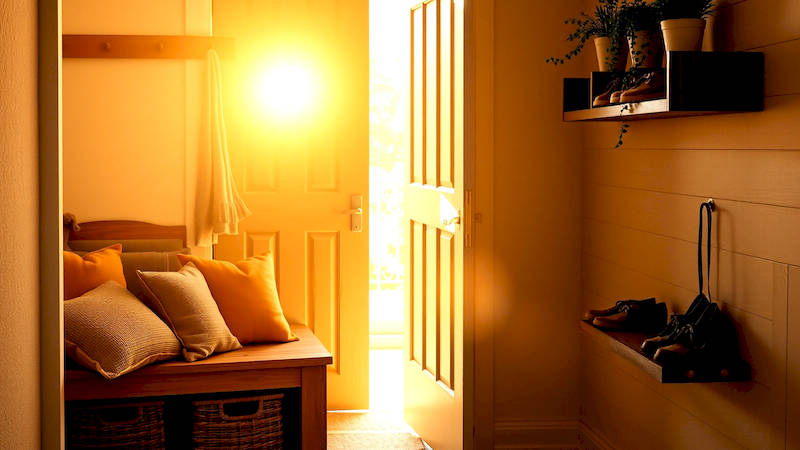
The entryway – it’s the first impression your home makes, a chaotic drop zone for keys, coats, and shoes, and often, a neglected space. Effective entryway organization isn't just about aesthetics; it directly impacts the feel of your entire home. A cluttered entryway can contribute to stress and a sense of disarray, while a well-organized one fosters calm and welcomes you home. Increasingly, homeowners are turning to sustainable and unique solutions, and upcycling vintage furniture offers a fantastic way to achieve both stylish storage and eco-conscious living.
The beauty of vintage furniture lies in its character, durability, and the story it tells. Unlike mass-produced items, vintage pieces often boast quality craftsmanship and unique details. Furthermore, upcycling keeps perfectly good furniture out of landfills, aligning with a growing desire for environmentally friendly home design. This isn't about a simple paint job; it's about reimagining a piece’s purpose and integrating it seamlessly into your modern life, creating a functional and visually appealing entryway. This article will delve into the practicalities and possibilities of transforming forgotten treasures into stunning, organized entryway focal points.
- Sourcing Vintage Furniture: Where to Find Your Gems
- Repurposing Dressers & Chests: Entryway Command Centers
- Transforming Trunks into Stylish Seating & Storage
- Upcycled Coat Racks: Beyond the Traditional
- Reimagining Sideboards & Buffets: A Grand Entry Statement
- Adding Finishing Touches: Hardware, Paint & Personalization
- Conclusion: Embracing the Beauty of Imperfection & Sustainable Style
Sourcing Vintage Furniture: Where to Find Your Gems
The hunt for the perfect vintage piece is a rewarding part of the process. While antique stores are a classic starting point, limiting yourself to them means potentially higher prices. Broadening your search to include estate sales, flea markets, online marketplaces (like Facebook Marketplace, Craigslist, and eBay), and even local auctions can yield incredible finds at more accessible price points. Consider the specific functionality you need in your entryway – a bench for shoe removal, a coat rack, drawers for accessories, or a combination – to focus your search. Don’t necessarily shy away from pieces needing repair; a little TLC can add even more character and value.
Often, the most promising pieces aren’t immediately obvious. A sturdy, albeit worn, dresser can be transformed into a hallway credenza. A vintage trunk becomes a charming blanket and shoe storage solution. An old lawyer's bookcase provides excellent shelving. Be prepared to look past the current finish or fabric and envision the potential. Crucially, assess the structural integrity of the furniture. Look for solid wood construction, stable joints, and relatively minor damage. Major structural problems might exceed your DIY skill level or budget. Finally, remember to measure the available space in your entryway before you start shopping to avoid disappointment.
Repurposing Dressers & Chests: Entryway Command Centers
Dressers and chests of drawers are exceptionally versatile candidates for entryway upcycling. Their inherent storage capacity makes them ideal for corralling clutter, and their traditional form easily adapts to a variety of styles. A vintage dresser can become a drop zone for mail, keys, and small accessories; the top surface serves as a landing pad, while drawers house everything from hats and gloves to charging cables and dog leashes. Consider adding a mirror above the dresser to create a visually appealing and functional space for last-minute checks before heading out.
The transformation doesn’t stop at cleaning and repainting. Adding new hardware—knobs, pulls—in a contrasting finish can instantly update the look. Lining the drawers with patterned paper or fabric adds a personal touch. For a mid-century modern aesthetic, refinish the dresser with a lighter stain and replace the hardware with sleek, minimalist pulls. Another clever adaptation is to remove the top drawers entirely, creating open shelving for baskets or larger items. Importantly, remember to secure taller dressers to the wall to prevent tipping, especially in homes with children or pets.
Transforming Trunks into Stylish Seating & Storage
Vintage trunks, particularly steamer trunks, offer a distinctive aesthetic and a unique storage solution. They're perfect for smaller entryways where space is at a premium. The primary transformation involves adding legs – often hairpin legs for a retro vibe, or more traditional wooden legs for a classic look. The interior of the trunk then becomes a hidden storage compartment for shoes, hats, scarves, or even seasonal items. Consider adding a cushioned top to create a functional bench for seating while putting on shoes.
Beyond the structural modifications, think about the exterior. A fresh coat of paint, stenciled designs, or even decoupage can personalize the trunk. Refurbishing the leather straps and buckles adds authenticity. Interior lining with a durable fabric will protect items stored inside. A case study worth noting is the resurgence of "memory trunks" used as entryway benches—lined with family photos or meaningful mementos—which serve as both storage and a conversation starter. This adds a sentimental touch and contributes to a welcoming atmosphere.
Upcycled Coat Racks: Beyond the Traditional
While dedicated coat racks are practical, they don't always align with a vintage aesthetic. Upcycling offers creative alternatives. Old wooden ladders, for example, can be leaned against the wall and repurposed as rustic coat racks. Simply add hooks to the rungs, and you have a charming and space-saving storage solution. Similarly, salvaged architectural elements like corbels or ornate window frames can be transformed into unique coat racks with the addition of hooks.
Another innovative idea is to repurpose an old headboard or footboard. Sand off any existing finish, repaint or stain it, and attach hooks to the back. This creates a statement piece that adds character and functionality to your entryway. When designing your upcycled coat rack, consider the weight capacity of the hooks and the wall mounting system to ensure stability and safety. Remember that a visually appealing entryway often balances form and function.
Reimagining Sideboards & Buffets: A Grand Entry Statement
For larger entryways, a sideboard or buffet can make a dramatic statement. These substantial pieces offer ample storage space and a beautiful focal point. While traditionally used in dining rooms, they adapt exceptionally well to an entryway, providing space for shoe storage, bag organization, and even a display area for decorative items. Often, these pieces feature closed cabinet storage and drawers, offering discreet organization.
Consider removing the backing of the hutch portion (if present) and replacing it with chicken wire or a decorative metal grating to create open shelving for baskets or plants. A fresh coat of paint or stain can dramatically change the look. Adding a contrasting color to the interior of the cabinets adds a pop of visual interest. Remember to anchor the sideboard securely to the wall, as these are typically heavier pieces of furniture. The investment in restoring a beautiful sideboard will significantly enhance the aesthetic and functionality of a spacious entryway.
Adding Finishing Touches: Hardware, Paint & Personalization
The details truly elevate an upcycled piece. Choosing the right hardware – knobs, pulls, hinges – can dramatically alter the overall aesthetic. Mixing and matching vintage and modern hardware can create an eclectic look. Paint selection is equally important. Consider the existing color palette of your entryway and choose a color that complements it. Chalk paint is a popular choice for vintage furniture, as it requires minimal preparation and creates a matte, distressed finish.
Don't be afraid to experiment with techniques like distressing, stenciling, or decoupage to add personality and character. Line drawers with decorative paper or fabric. Add a coat of varnish or sealant to protect the finish. Finally, accessorize with a mirror, a small rug, and a few carefully chosen decorative items to complete the look. Remember that personalization is key – your entryway should reflect your style and create a welcoming atmosphere for you and your guests.
Conclusion: Embracing the Beauty of Imperfection & Sustainable Style
Upcycling vintage furniture for entryway organization isn’t just about solving a practical problem; it’s about embracing sustainable living, celebrating individuality, and adding character to your home. It’s a way to breathe new life into forgotten treasures, reduce waste, and create a unique space that reflects your personal style. From transforming dressers into command centers to repurposing trunks as stylish seating, the possibilities are endless.
The key takeaways are: prioritize sourcing sturdy pieces with good bones; don’t be afraid to envision the potential beyond the current state; and pay attention to the details – hardware, paint, and personalization – to create a truly bespoke entryway. Taking the time to restore and reimagine a vintage piece is an investment that will not only enhance the functionality of your entryway but also add a touch of timeless elegance to your home. Dive in, explore your local markets, and get creative—your entryway (and the planet) will thank you!
Deja una respuesta