
DIY Wall-Mounted Shoe Racks for Small Entryways
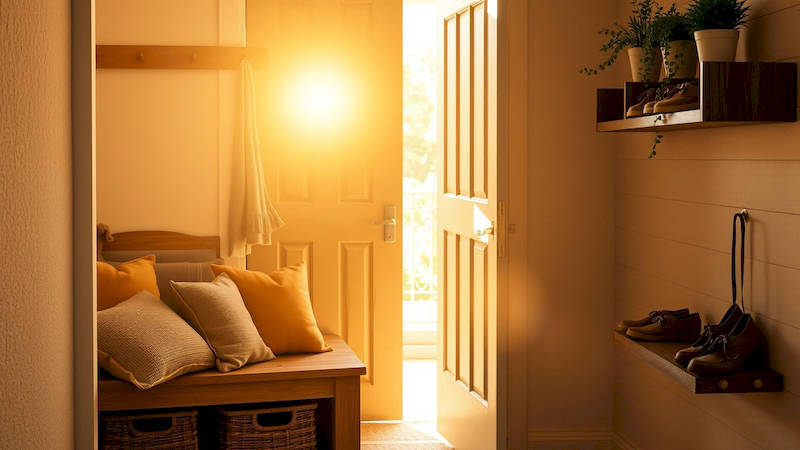
The entryway or mudroom – often the first and last space we encounter daily – frequently descends into a chaotic dumping ground. Shoes, in particular, are notorious for contributing to this clutter, creating tripping hazards and a generally unwelcoming atmosphere. For those living in apartments, condos, or homes with limited square footage, traditional floor-standing shoe racks simply aren't viable options. They eat up valuable floor space, making a small entryway feel even more cramped. This is where the ingenuity of DIY wall-mounted shoe racks shines. They offer a stylish, space-saving solution to shoe storage, transforming a messy entryway into an organized and inviting first impression.
The beauty of crafting your own wall-mounted shoe rack lies not only in its functionality but also in the customization it allows. Forget sifting through generic, mass-produced options that may not quite fit your needs or style. Building your own empowers you to tailor the rack to your specific space, shoe collection, and aesthetic preferences. From rustic pallet creations to sleek modern designs, the possibilities are virtually endless. Furthermore, DIY projects offer a rewarding sense of accomplishment and often prove significantly more economical than purchasing a comparable store-bought item.
This article will delve into the world of DIY wall-mounted shoe racks, providing comprehensive guidance on how to build several different styles tailored for small entryways. We’ll examine materials, construction techniques, design considerations, and safety protocols to equip you with all the knowledge needed to tackle this practical and aesthetically pleasing project. We will also discuss considerations for different shoe types and needs.
- Assessing Your Space and Shoe Storage Needs
- The Classic Pallet Shoe Rack: Rustic Charm and Affordability
- Sleek and Modern: The Floating Shelf Shoe Display
- Utilizing PVC Pipe: A Budget-Friendly and Versatile Option
- Safety Considerations and Mounting Techniques
- Conclusion: Stepping into an Organized Entryway
Assessing Your Space and Shoe Storage Needs
Before diving into construction, a thorough assessment of your entryway is crucial. This isn't just about measuring the available wall space; it's about understanding your specific shoe storage requirements and integrating the rack seamlessly into the existing décor. Begin by taking precise measurements of the wall where you intend to mount the rack – height, width, and depth. Consider the electrical outlets, light switches, and other fixtures that may impact placement. Beyond the physical dimensions, analyze the traffic flow in your entryway. You want the rack to be accessible but not obstruct pathways.
Next, critically evaluate your shoe collection. How many pairs do you need to accommodate? Are there a lot of bulky winter boots, delicate heels, or primarily sneakers? The type of shoes dictates the rack’s design and depth. Shallow shelves are adequate for flats and sandals, while deeper shelves are necessary for boots and athletic shoes. Families with multiple members will require significantly more storage capacity than a single individual. A good rule of thumb: overestimate your needs slightly. It’s better to have a little extra space than to be constantly overwhelmed by overflowing shoes.
Finally, think about the overall style of your home. Do you lean towards a rustic farmhouse aesthetic, a minimalist modern look, or something in between? The materials and finish of your shoe rack should complement your existing décor. A sleek, painted wood rack might blend seamlessly into a contemporary entryway, while a pallet-based rack could add character to a more rustic space. Don’t feel constrained by existing aesthetics though – a cleverly chosen shoe rack can act as a stylistic accent.
The Classic Pallet Shoe Rack: Rustic Charm and Affordability
Pallet wood has emerged as a popular material for DIY projects, and for good reason. It’s readily available (often free!), incredibly versatile, and possesses a beautiful, rustic aesthetic. Building a wall-mounted shoe rack from pallets is a relatively simple project, even for beginner woodworkers. The key lies in selecting a suitable pallet – look for heat-treated pallets (marked with “HT”) rather than chemically treated ones, as these are safer for indoor use. Meticulous sanding is essential to remove splinters and create a smooth surface.
Construction involves cleaning and dismantling the pallet, then reassembling the boards into a shelving unit. Cut the planks to your desired length and width, considering the size of your shoes. You can create individual shelves or build a tiered structure with multiple levels. Secure the planks together using wood screws and wood glue, ensuring a sturdy frame. Adding a back panel (also made from pallet wood) will provide extra stability and prevent shoes from sliding off. Finally, attach hanging hardware – heavy-duty D-rings and picture-hanging wire work well – to the back of the rack before mounting it securely to the wall using appropriate wall anchors.
Aesthetically, pallet racks offer immense flexibility. You can leave the wood natural for a truly rustic look, or you can paint or stain it to match your entryway’s color scheme. Sanding and applying a clear sealant will help protect the wood and make it easier to clean. Consider adding decorative elements, such as stencils or painted designs, to personalize your creation.
Sleek and Modern: The Floating Shelf Shoe Display
For a more contemporary and streamlined look, a floating shelf shoe rack is an excellent choice. This design creates the illusion of floating shelves, adding a touch of sophistication to your entryway. Unlike pallet racks, this design typically utilizes MDF, plywood, or solid wood boards sourced from a lumberyard for a cleaner finish. The construction will require some basic woodworking skills, including accurate cutting and drilling.
The core of this project lies in building a sturdy frame that will be hidden behind the shelves. The frame should be securely attached to the wall studs using screws and appropriate anchors. The shelves themselves are then attached to the frame, usually with screws and wood glue. A key consideration is the shelf depth – ensure it’s sufficient to accommodate your largest shoes without protruding too far from the wall. Utilize a level to ensure the shelves are perfectly horizontal during installation; an uneven rack can be visually jarring and potentially unstable.
The finish is where you can truly express your personal style. Consider painting the shelves a bold color, applying a sleek veneer, or simply staining them to enhance the natural wood grain. For a minimalist aesthetic, opt for a neutral color palette and clean lines. Remember, the beauty of a floating shelf lies in its simplicity.
Utilizing PVC Pipe: A Budget-Friendly and Versatile Option
If you're on a tight budget or looking for a uniquely quirky design, PVC pipe provides an unexpectedly versatile building material. This option is also a great choice for those who are new to DIY projects, as PVC is easy to cut and assemble. While not traditionally considered aesthetically pleasing, PVC can be transformed into a surprisingly stylish shoe rack with a little creativity.
Construction involves cutting PVC pipe into sections of the desired length for the individual shoe holders. These sections are then connected using PVC fittings – elbows and tees – to create a modular shelving unit. The unit can be customized to fit your specific space and shoe storage needs. Consider using different diameter pipes to accommodate shoes of varying sizes. Securing the PVC structure to the wall requires a sturdy mounting bracket and appropriate screws and wall anchors.
To enhance the aesthetics, consider painting the PVC pipe with spray paint in a color that complements your entryway. You can also wrap the pipes with decorative rope or fabric for a more textured look. While PVC might not have the warmth of wood, its affordability and versatility make it a compelling option for budget-conscious DIYers.
Safety Considerations and Mounting Techniques
Regardless of the chosen design, safety is paramount. Always wear safety glasses and gloves when cutting, sanding, or assembling materials. Use appropriate power tools with care, and follow manufacturer's instructions. When mounting the shoe rack to the wall, it’s essential to locate the wall studs and use screws that are long enough to penetrate securely. If you cannot locate studs, use high-quality wall anchors designed to support the weight of the rack and shoes.
Incorrect mounting can lead to the rack collapsing, potentially causing injury or damage. Always test the stability of the rack before placing shoes on it. Install the rack at a height that is accessible for all users, but not so low that it creates a tripping hazard. For heavier shoes, such as boots, use sturdier materials and mounting hardware. Regularly inspect the rack for signs of wear and tear, and make any necessary repairs promptly.
Conclusion: Stepping into an Organized Entryway
Creating a DIY wall-mounted shoe rack offers a practical and personalized solution to entryway clutter. Whether you opt for the rustic charm of pallet wood, the sleek modernity of floating shelves, or the budget-friendliness of PVC pipe, the benefits are undeniable – increased space, enhanced organization, and a more welcoming atmosphere. The key to success lies in careful planning, accurate construction, and a commitment to safety.
Remember to assess your space and shoe storage needs before embarking on the project, and don't be afraid to experiment with different designs and materials. By investing a little time and effort, you can transform a chaotic entryway into a functional and stylish focal point. Now, armed with these ideas and instructions, take the first step toward conquering entryway clutter and stepping into an organized home. Consider sketching out your design, gathering your materials, and dedicating a weekend to bringing your vision to life. You’ll be amazed by the difference a well-organized entryway can make to your daily routine and overall sense of well-being.
Deja una respuesta