
Smart Storage Solutions for Wet Shoes and Winter Boots in Mudrooms
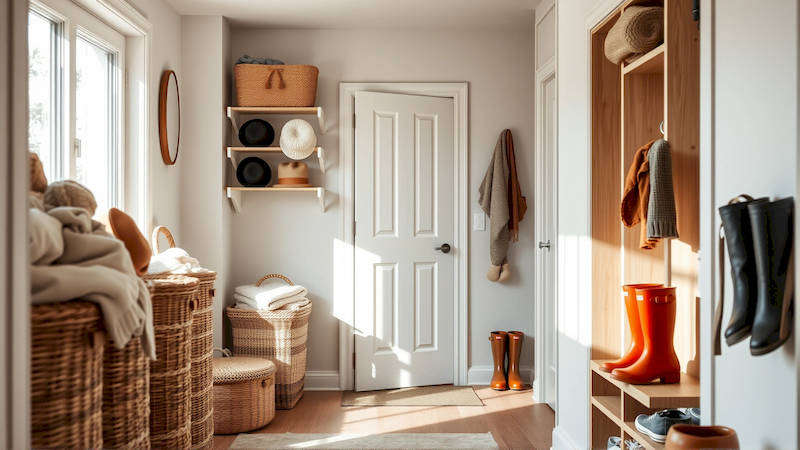
The mudroom – often the unsung hero of the home – bears the brunt of seasonal weather. It’s the first line of defense against tracked-in dirt, snow, and rain, and consequently, the repository for all things wet, muddy, and bulky. Nowhere is this more evident than with shoes and boots. A haphazard pile of damp footwear isn't just unsightly; it contributes to musty odors, potential damage to your flooring, and a generally disorganized atmosphere. Effective mudroom organization, specifically regarding wet and winter footwear, is about more than aesthetics; it’s about protecting your home, maintaining hygiene, and promoting a sense of calm amidst the chaos of daily life.
Poorly managed wet shoes and boots contribute to more than just a messy mudroom. Prolonged dampness can foster mold and mildew growth, impacting indoor air quality and potentially causing health issues. Furthermore, constantly stepping around obstacles creates a safety hazard, particularly for young children and the elderly. Beyond the practical concerns, a disorganized mudroom often reflects a disorganized life, leading to increased stress and a diminished sense of home. Investing in smart storage solutions for footwear is, therefore, an investment in your home’s health, safety, and overall wellbeing.
This article will delve into a variety of storage solutions, ranging from simple DIY projects to more elaborate built-in designs, all tailored to effectively manage the challenge of wet shoes and winter boots in your mudroom. We’ll explore materials, layouts, and essential considerations to help you create a functional and organized space that meets your specific needs and lifestyle, ensuring your mudroom remains a welcome transition point, rather than a source of daily frustration.
- The Importance of Drainage and Ventilation
- Vertical Storage: Maximizing Space and Minimizing Clutter
- Dedicated Boot Trays and Drying Racks: Containing the Mess
- Utilizing Built-Ins for a Customized Solution
- Material Matters: Choosing Durable and Moisture-Resistant Options
- Maintaining Your Mudroom: A Routine for Long-Term Organization
- Conclusion: Creating a Functional and Welcoming Entryway
The Importance of Drainage and Ventilation
Before diving into specific storage options, it's crucial to address the underlying issue of moisture. Simply containing wet shoes and boots isn’t enough; you need to actively manage the water they bring into your mudroom. Effective drainage and ventilation are the cornerstones of a successful footwear storage system. Without these, you're simply creating a contained environment for mold and mildew to thrive.
Consider the flooring material in your mudroom. Porous materials like carpet are highly susceptible to damage from prolonged moisture. Ideal flooring options for mudrooms include tile, stone, or durable vinyl, all of which are waterproof and easy to clean. Furthermore, incorporating a sloped floor towards a drain can be exceptionally effective, particularly in high-traffic areas. Even a simple rubber drainage mat placed directly in front of the door can make a significant difference by capturing excess water before it spreads.
Ventilation is equally important. Opening a window, even briefly, can help circulate air and expedite drying. If natural ventilation isn’t sufficient, consider installing a small exhaust fan to actively remove moisture-laden air. This is particularly crucial in tightly sealed mudrooms. The goal is to create an environment where footwear can dry quickly and efficiently, preventing the build-up of unpleasant odors and harmful microorganisms.
Vertical Storage: Maximizing Space and Minimizing Clutter
In many homes, mudrooms are relatively small spaces. Therefore, maximizing vertical space is paramount. Instead of allowing shoes and boots to accumulate on the floor, look to the walls for storage solutions. This dramatically reduces trip hazards and instantly creates a more organized appearance. A variety of vertical storage options are available, catering to different budgets and aesthetic preferences.
Consider installing a shoe rack with multiple tiers. These can range from simple, freestanding units to more elaborate, wall-mounted designs. For winter boots, which are bulkier, opt for taller racks with wider shelves. Another excellent option is a combination of open shelving and closed cabinets. Open shelving allows for quick access to frequently worn shoes, while closed cabinets can conceal less frequently used items and create a cleaner visual line. Look for options with adjustable shelves to accommodate a variety of footwear sizes. Furthermore, incorporating hooks above shoe storage can be useful for hanging related items like hats, scarves, and gloves, creating a cohesive and organized entryway.
A clever DIY solution involves repurposing old lockers or vintage crates. These provide a rustic and charming aesthetic while offering ample storage space. Painting or refinishing these pieces allows you to customize them to match your mudroom’s décor. Remember to ensure any repurposed furniture is adequately sealed to protect it from moisture damage.
Dedicated Boot Trays and Drying Racks: Containing the Mess
Wet, muddy boots pose a particular challenge. Simply placing them on a rack isn't sufficient; you need a designated area to contain the moisture and allow them to dry without causing damage to your flooring. Boot trays are an indispensable component of any well-organized mudroom. Choose a tray that is large enough to accommodate your family's boots and deep enough to prevent water from overflowing.
Boot trays come in various materials, including plastic, rubber, and metal. Rubber trays are generally the most effective at containing water and providing a non-slip surface. Consider a tray with a textured surface to prevent boots from sliding around. Beyond a basic tray, investing in a dedicated boot drying rack can be particularly beneficial, especially in climates with frequent rainfall or snowfall. These racks often feature ventilation holes and heat elements to expedite the drying process, preventing odors and extending the life of your boots.
Placement is key. Position the boot tray and drying rack close to the entryway to encourage immediate use and minimize tracking dirt further into the house. A rug adjacent to the tray can further absorb moisture and provide a comfortable surface for removing and putting on boots.
Utilizing Built-Ins for a Customized Solution
For a truly customized and efficient storage solution, consider built-in mudroom cabinetry. While this option requires a larger investment, it offers the advantage of maximizing space and creating a seamless, integrated look. Built-ins can be tailored to your specific needs and incorporate a variety of features, including dedicated shoe and boot storage, coat hooks, bench seating, and even integrated storage for umbrellas and other outdoor gear.
When designing your built-ins, prioritize functionality. Include adjustable shelving to accommodate different footwear sizes and incorporate boot sections with slatted bottoms to promote airflow. Consider adding a built-in bench with hidden storage underneath for additional items like hats, gloves, and seasonal accessories. A pull-out boot tray can be a convenient addition, simplifying the cleaning process. Concealing electrical outlets within the built-ins can provide a convenient charging station for devices.
Before embarking on a built-in project, thoroughly assess your mudroom’s layout and storage needs. Consult with a professional designer or contractor to ensure the design is both functional and aesthetically pleasing. Careful planning is essential to maximize the space and create a mudroom that truly enhances your home.
Material Matters: Choosing Durable and Moisture-Resistant Options
The materials you choose for your mudroom storage solutions are just as important as the design itself. Given the constant exposure to moisture, it's crucial to select materials that are durable, water-resistant, and easy to clean. Avoid materials that are susceptible to warping, rotting, or mold growth.
Solid wood is a classic choice for mudroom cabinetry, but it requires regular sealing and maintenance to protect it from moisture damage. Alternatively, consider engineered wood or MDF (Medium-Density Fiberboard) with a waterproof laminate coating. These materials are more affordable and offer excellent moisture resistance. Metal is another durable option, particularly for shoe racks and boot trays. Look for powder-coated metal finishes, which are resistant to rust and corrosion.
For shelving, consider using solid wood, laminate, or even plastic shelving units. Avoid materials like carpet or fabric, which can trap moisture and harbor odors. When choosing paint for your mudroom walls and cabinetry, opt for a satin or semi-gloss finish, as these are more durable and easier to wipe clean than matte finishes.
Maintaining Your Mudroom: A Routine for Long-Term Organization
Implementing smart storage solutions is only the first step. Maintaining a consistently organized mudroom requires a consistent routine. Establish a designated “drop zone” for shoes and boots, and encourage family members to utilize it consistently. Regularly declutter the area, removing shoes and boots that are no longer worn or no longer fit.
Implement a cleaning schedule to address spills and messes promptly. Sweep or vacuum the floor daily to remove dirt and debris. Wipe down shelves and trays regularly with a disinfectant solution. Periodically check for signs of mold or mildew and address them immediately. An ounce of prevention is worth a pound of cure when it comes to maintaining a clean and healthy mudroom.
Finally, consider seasonal adjustments. In the winter, focus on maximizing storage for bulky boots and coats. In the summer, adapt your storage solutions to accommodate sandals, flip-flops, and lighter outerwear.
Conclusion: Creating a Functional and Welcoming Entryway
Organizing wet shoes and winter boots in your mudroom isn’t simply about tidiness — it’s about safeguarding your home, promoting hygiene, and creating a more functional and welcoming entryway. By prioritizing drainage, ventilation, and maximizing vertical space, you can effectively manage moisture and minimize clutter. Investing in durable, moisture-resistant materials and establishing a consistent maintenance routine will ensure your mudroom remains organized and inviting year-round.
The key takeaways are to think beyond mere containment, focusing on actively managing moisture and utilizing space efficiently. Whether you opt for a simple boot tray and shoe rack or a fully customized built-in system, remember that the goal is to create a space that simplifies your daily routine and makes your home more comfortable and enjoyable. Start by assessing your current needs, identifying problem areas, and implementing one or two small changes. Over time, these small steps will accumulate, transforming your mudroom from a source of chaos into an organized and welcoming transition point between the outdoors and your home.
Deja una respuesta