
Creating a Mudroom Station Within Your Garage for Shoe and Coat Storage
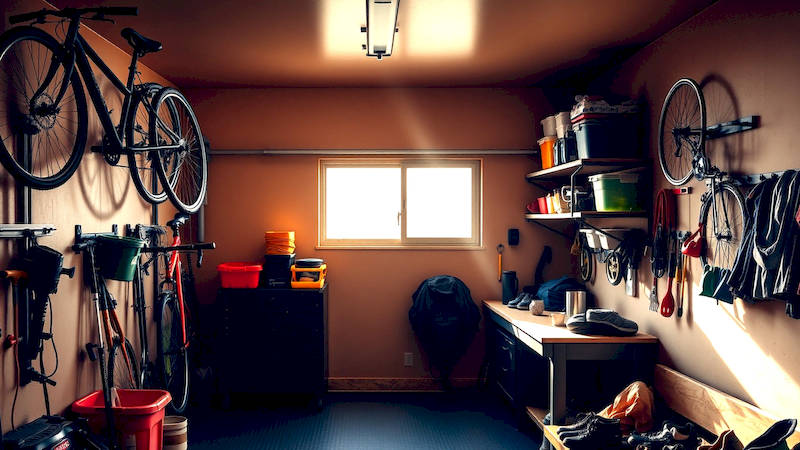
The entryways of our homes – often the garage in modern life – are notorious for becoming drop zones. Shoes pile up, coats are flung over anything available, and bags overflow with forgotten items. This isn't simply an aesthetic issue; it’s a breeding ground for stress and lost time. A well-designed mudroom, even one integrated within your garage, can dramatically reduce household chaos, streamline your routines, and create a welcoming transition between the outdoors and the sanctuary of your home. Beyond the convenience, a dedicated mudroom space improves home organization, potentially adding to resale value, and promotes a sense of calm within a busy lifestyle.
For many, the dream of a dedicated mudroom feels financially or spatially out of reach. However, utilizing a portion of your garage—even a small one—as a mudroom station is a surprisingly achievable and impactful project. This isn't about a complete garage overhaul, but rather a thoughtfully planned section dedicated to containing the items that often contribute to entryway clutter. This article will provide a detailed guide to designing and building a functional, attractive mudroom station within your garage, tackling everything from layout and storage solutions to budget considerations and maintenance.
- Assessing Your Garage Space and Defining Your Needs
- Planning the Layout and Maximizing Vertical Space
- Choosing the Right Storage Solutions: Hooks, Shelves, and Beyond
- Material Selection: Balancing Durability, Aesthetics, and Budget
- Lighting and Finishing Touches: Creating a Welcoming Space
- Maintenance and Organization: Keeping the Chaos at Bay
Assessing Your Garage Space and Defining Your Needs
Before diving into design and construction, a critical first step is a realistic assessment of your garage’s available space and a thorough understanding of your family’s specific needs. Don’t simply envision what a mudroom should be; focus on what it needs to be for your household. Consider the number of people who will be using the space, their ages, and the volume of items typically brought indoors. A family with small children will have very different requirements than a single professional, for example, and those needs will shift throughout the year, impacted by seasonal clothing and activities.
This assessment should include measuring the potential mudroom area, noting the placement of doors, windows, and electrical outlets. Taking a few photos and creating a rough sketch will be incredibly helpful in visualizing the space. Crucially, think beyond just shoes and coats. Do you need space for backpacks, sports equipment, pet supplies, umbrellas, or reusable shopping bags? List everything that currently clutters your entryway or garage floor. This comprehensive inventory is the foundation for a functional design. Ask yourself: What are the pain points we currently experience related to coming and going? Addressing those pain points will be central to a successful mudroom station.
Planning the Layout and Maximizing Vertical Space
Once you have a solid understanding of your needs, it’s time to plan the layout. The key principle here is maximizing vertical space. Garages often have higher ceilings than other rooms, and utilizing that height is crucial, especially in smaller spaces. Think shelving, hooks, and lockers as opposed to solely relying on floor-level storage. A common mistake is underestimating the amount of storage needed, so err on the side of more rather than less.
Consider different configuration options based on your garage's shape and available space. A linear layout along one wall is efficient for narrow garages, while a corner configuration can be more effective in square spaces. Don't be afraid to create zones within the mudroom station: a shoe zone, a coat/jacket zone, a bag/backpack zone, and possibly a bench or seating area. A small bench with storage underneath provides a convenient place to sit while putting on shoes and offers valuable hidden storage for hats, gloves, or seasonal items. Utilizing the walls for open cubbies or closed cabinetry offers flexible storage that is within easy reach.
Choosing the Right Storage Solutions: Hooks, Shelves, and Beyond
The sheer variety of storage solutions available can be overwhelming. Hooks are a cost-effective and versatile option for coats, bags, and even frequently used items like dog leashes. Different types of hooks – single, double, or multi-hook – can accommodate various items and weights. Shelving is essential for organizing shoes, hats, gloves, and other smaller items. Adjustable shelving offers maximum flexibility, allowing you to customize the height to suit your needs.
Beyond hooks and shelves, consider incorporating more specialized storage solutions. Lockers are an excellent option for families as they provide dedicated storage for each person. Baskets and bins are ideal for containing smaller items and keeping shelves organized. Shoe racks – ranging from simple floor models to multi-tiered organizers – help contain the shoe chaos. Don't overlook the possibility of repurposing existing furniture. An old dresser or bookcase can be transformed into a stylish and functional storage unit with a bit of paint and hardware. A key consideration is durability, opting for solutions that can withstand the daily wear and tear of a busy household.
Material Selection: Balancing Durability, Aesthetics, and Budget
Choosing the right materials is crucial for creating a mudroom station that’s both functional and aesthetically pleasing. Garages are often subject to temperature fluctuations and humidity, so materials need to be durable and resistant to these conditions. Wood is a popular choice, but it's important to select a moisture-resistant wood like cedar or treated pine. Solid core doors or plywood are preferable over particleboard, which can easily warp or crumble in damp environments.
For flooring, consider options like epoxy, interlocking rubber tiles, or even durable outdoor rugs. These materials are easy to clean and can withstand heavy foot traffic. Metal shelving and hooks offer a sleek and industrial look while being incredibly strong and durable. When it comes to aesthetics, aim for a cohesive look that complements the overall style of your home. Painting the mudroom area in a bright and welcoming color can instantly elevate the space. Balancing durability, aesthetics and budget is key; for instance, opting for basic painted plywood shelving with attractive hooks can achieve a stylish look without breaking the bank.
Lighting and Finishing Touches: Creating a Welcoming Space
Often overlooked, adequate lighting is essential for a functional and welcoming mudroom station. Garages often have limited natural light, so investing in good quality artificial lighting is crucial. Overhead fluorescent or LED fixtures provide ample illumination, while task lighting – like under-cabinet lighting – can highlight specific areas. A strategically placed mirror not only allows for quick checks before heading out but also helps to brighten the space and create the illusion of more room.
Beyond the practical elements, consider adding finishing touches that enhance the overall aesthetic. A decorative rug adds warmth and texture. A small plant brings a touch of nature indoors. A chalkboard or whiteboard can be used for leaving messages or creating a family calendar. A key rack ensures that keys are always easy to find. These small details can transform the mudroom station from a purely functional space into a welcoming and organized entryway. A dedicated recycling bin will help promote sustainable habits.
Maintenance and Organization: Keeping the Chaos at Bay
Creating a mudroom station is just the first step; maintaining it requires consistent effort and good habits. Establish a routine for putting things away immediately after use. Encourage everyone in the family to participate in this routine. Conducting a regular decluttering session – perhaps every season – will prevent the space from becoming overwhelmed with unwanted items.
Implement a "one in, one out" rule for shoes and coats. If you acquire a new item, get rid of an old one. Use labels for baskets and bins to make it easy to identify the contents. Regularly sweep or vacuum the floor to keep it clean and free of debris. A little bit of maintenance regularly will prevent the mudroom station from reverting back to a chaotic drop zone. Designate specific spots for seasonal items and rotate them accordingly.
In conclusion, creating a mudroom station within your garage isn't about replicating a luxurious, dedicated mudroom. It's about maximizing functionality and organization within the space you have. By carefully assessing your needs, planning the layout, choosing the right storage solutions and materials, and establishing good maintenance habits, you can transform a cluttered garage corner into a welcoming and efficient entryway that simplifies your daily routine and adds a sense of calm to your home. Remember to prioritize vertical space, embrace a minimalist approach, and tailor the design to your family’s unique circumstances. The key takeaway is this: even a small, well-planned mudroom station can make a significant difference in your home’s organization and your family’s overall quality of life.
Deja una respuesta