
Transforming a Utility Closet into a Compact Laundry and Storage Area
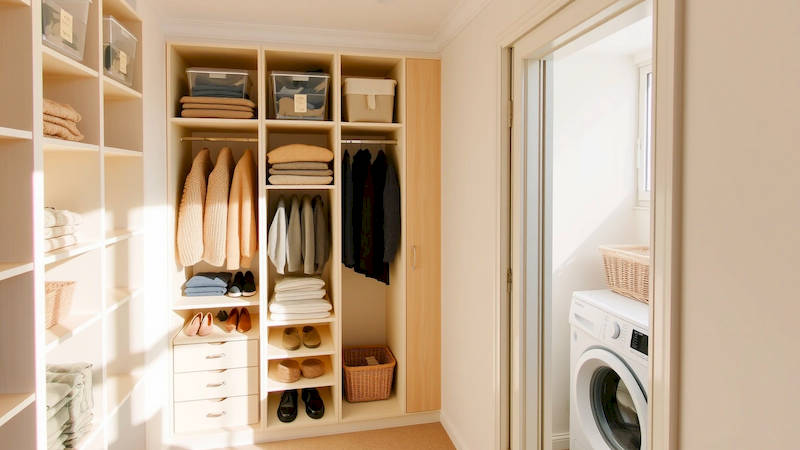
The humble utility closet. Often a neglected space, relegated to housing mops, buckets, and the vacuum cleaner, it frequently becomes a dumping ground for anything unwanted or “to be dealt with later.” But what if that cramped, underutilized closet could be something more? In an age of smaller homes and maximizing space, transforming a utility closet into a compact, efficient laundry and storage area is a smart, practical solution for many homeowners. This isn’t just about tidiness; it’s about regaining valuable living space, increasing functionality, and boosting home value. A well-organized utility area can streamline household chores and reduce stress, making daily life a little easier.
The increasing popularity of this transformation stems from several factors. According to a recent survey by the National Association of Home Builders (NAHB), 22% of new single-family homes now include laundry rooms on the main floor, which often necessitates creative space utilization – and repurposing existing closets is a prime solution. Furthermore, heightened focus on home organization, spurred by trends like Marie Kondo's KonMari method, has inspired individuals to assess and optimize every corner of their homes. The utility closet, ripe for overhaul, offers a manageable project with significant reward.
This guide will provide a comprehensive roadmap for turning your cluttered utility closet into a compact laundry and storage haven. We'll cover everything from assessing your space and planning your layout to selecting the right appliances and maximizing storage solutions, catering to various closet sizes and budgets.
- Assessing Your Space and Planning Your Layout
- Selecting Appliances for a Compact Space
- Maximizing Vertical Space with Smart Storage Solutions
- Plumbing and Electrical Considerations: Ensuring Safety & Functionality
- Adding Finishing Touches for Functionality and Aesthetics
- Conclusion: A Space Transformed
Assessing Your Space and Planning Your Layout
Before diving into demolition and decluttering, a thorough assessment of your utility closet is crucial. Start by completely emptying the closet. This allows you to visualize the space objectively and identify its limitations. Measure the dimensions meticulously – height, width, and depth – and note the location of electrical outlets, plumbing access (if any), and any obstructions like pipes or heating ducts. Consider the floor material; you might need to reinforce it if you plan to install a washing machine, particularly on upper floors. Sketches and digital planning tools can be incredibly helpful at this stage.
Next, honestly assess your laundry needs. How often do you do laundry? What types of items do you need to wash (delicates, bulky items)? Are you washing for a single person or a large family? These factors will dictate the size and type of laundry appliances you can realistically accommodate. Similarly, analyze your storage requirements. What items do you currently store in the closet, and what other items could be stored there if organized efficiently? Prioritize based on frequency of use, grouping similar items together (cleaning supplies, pet care products, emergency supplies, etc.).
Finally, consider the layout. Placement of the washer and dryer (if space allows for both) is paramount. Depending on closet dimensions, front-loading machines are generally preferable to top-loading machines, as they can often be stacked with a dryer shelf, saving significant floor space. Accessibility is key, ensuring you have sufficient room to maneuver, load and unload laundry, and reach stored items without obstruction.
Selecting Appliances for a Compact Space
Choosing the right appliances is fundamental to a successful utility closet transformation. The size of your closet heavily influences your options. If space is severely limited, consider an all-in-one washer dryer combo unit. These combine washing and drying functions into a single machine, eliminating the need for separate appliances and saving considerable room. However, they typically have smaller capacities and longer drying times compared to traditional machines.
For slightly larger closets, a compact stackable washer and dryer set is an excellent choice. These units are designed to fit into narrow spaces and can be stacked vertically, maximizing floor space. Look for models specifically designed for small spaces, with features like delay start and energy efficiency. When selecting appliances, pay attention to their dimensions, energy star ratings, and user reviews. Don't forget to factor in the ventilation requirements for the dryer, ensuring you have adequate venting to the outside to prevent moisture buildup and potential fire hazards.
Beyond the washer and dryer, think about electrical capacity. Laundry appliances require dedicated circuits. Consult with a qualified electrician to ensure your closet's electrical system can handle the load. Ignoring this step can be dangerous and lead to electrical failures. Consider the noise level of the appliances, especially if the closet is located near living areas.
Maximizing Vertical Space with Smart Storage Solutions
A utility closet is rarely spacious, so maximizing vertical space is absolutely essential. Shelving is your best friend. Install adjustable shelving to customize the space to your specific needs. Upper shelves are perfect for storing infrequently used items, while lower shelves can hold laundry detergents, cleaning supplies, and other essentials. Utilize the space above the washer and dryer with a custom-built shelf or a pre-fabricated over-the-appliance storage unit. This area is often wasted space and provides a valuable storage opportunity.
Don’t underestimate the power of door organizers. Over-the-door organizers with pockets or shelves are ideal for storing smaller items like spray bottles, sponges, and cleaning cloths. Hooks are another versatile storage solution, perfect for hanging mops, brooms, dustpans, or even laundry bags. Consider wall-mounted storage racks for ironing boards and other bulky items.
Think strategically about containers. Clear plastic bins with lids are excellent for organizing and protecting items from dust and moisture. Label everything clearly to easily identify contents. Wire baskets are another good option, providing ventilation and visibility. Finally, avoid clutter by regularly decluttering and donating or discarding unwanted items.
Plumbing and Electrical Considerations: Ensuring Safety & Functionality
Transforming a utility closet into a laundry area often requires modifications to plumbing and electrical systems. If your closet isn’t already equipped with water supply lines and drainpipes, you’ll need to have them installed by a licensed plumber. This can be a significant undertaking, especially if the closet is located far from existing plumbing infrastructure. The cost can vary considerably depending on the complexity of the installation and local plumbing codes.
Electrical work is equally critical. As mentioned previously, laundry appliances require dedicated circuits to prevent overloading and potential fire hazards. A qualified electrician should assess your existing electrical system and install any necessary upgrades, including new outlets and wiring. GFCI (Ground Fault Circuit Interrupter) outlets are essential in damp environments like utility closets to protect against electrical shock. Always comply with local building codes and obtain any required permits for plumbing and electrical work.
Proper ventilation is also paramount. Dryers produce significant moisture, which can lead to mold and mildew growth if not properly vented to the outside. Ensure the dryer vent is clear of obstructions and properly connected to an exterior vent.
Adding Finishing Touches for Functionality and Aesthetics
Once the core functionality is in place - appliances installed, plumbing and electrical addressed, storage solutions optimized – it’s time to add those finishing touches that elevate the space from purely functional to actually pleasant. Good lighting is key. If the closet lacks adequate lighting, install a bright LED light fixture to illuminate the space effectively. Consider a motion-sensor light for energy savings.
A small, durable utility sink can be immensely useful for pre-treating stains, handwashing delicate items, or cleaning up spills. Install a foldable ironing board to save space when not in use. A countertop over the washer and dryer can provide a convenient workspace for folding laundry. Don't overlook the flooring - a water-resistant and easy-to-clean floor covering is essential.
Finally, don't be afraid to personalize the space with a fresh coat of paint, a small rug, or even some decorative plants. These small touches can make the utility closet a more inviting and functional space.
Conclusion: A Space Transformed
Transforming a utility closet into a compact laundry and storage area is a worthwhile investment that can dramatically improve your home’s functionality and organization. It requires careful planning, thoughtful appliance selection, strategic storage solutions, and attention to safety (plumbing and electrical compliance). However, the results are well worth the effort – reclaiming valuable living space, streamlining chores, and enhancing your overall quality of life.
The key takeaways are: assess your needs and space realistically, prioritize vertical storage, ensure electrical and plumbing work is done professionally, and don't neglect the finishing touches that add functionality and aesthetics. Now, armed with this comprehensive guide, it’s time to roll up your sleeves and transform that neglected utility closet into a hardworking, organized, and inviting space. Start with decluttering, followed by detailed measurements and a sketch, and then proceed systematically through the steps outlined above. Remember, a little effort can go a long way in creating a more organized and efficient home.
Deja una respuesta