
Organizing Seasonal Wreaths and Garlands to Prevent Damage
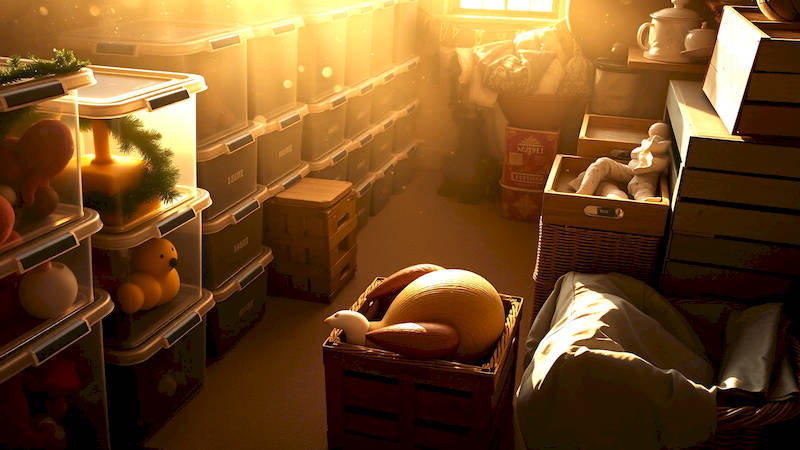
The arrival of seasonal decorations—the vibrant wreaths, the lush garlands—signals warmth, celebration, and a touch of magic in our homes. But as quickly as we joyfully hang these festive emblems, the season ends, and the task of packing them away looms. Often, this essential step is treated as an afterthought, leading to crushed foliage, tangled lights, and ultimately, damaged decorations that require replacement. Considering the average household spends approximately $500-$800 on holiday decorations annually (according to the American Christmas Tree Association), protecting that investment is paramount. This guide offers a detailed, in-depth approach to organizing and storing your wreaths and garlands, ensuring they remain beautiful and ready to brighten your home year after year. We'll move beyond simple 'box and tuck' techniques, focusing on preservation, space optimization, and long-term care.
Beyond the financial aspect, preserving these decorations is preserving memories. Many wreaths and garlands are heirlooms, passed down through generations, imbued with sentimental value. Correct storage is not just about protecting materials; it’s about safeguarding those cherished traditions. Ignoring proper storage also contributes to unnecessary waste, as damaged décor often ends up in landfills. The following sections will provide a thorough methodology, covering everything from initial cleaning and condition assessment to selecting the right storage solutions and implementing preventative measures.
- Assessing and Preparing Wreaths and Garlands for Storage
- Choosing the Right Storage Containers: Protection is Key
- Optimizing Space: Vertical Storage and Organization Strategies
- Protecting Delicate Elements: Ornament Care and Fragile Components
- Controlling Environmental Factors: Temperature, Humidity, and Pests
- Long-Term Preservation: Considering Archival Materials and Techniques
- Conclusion: Safeguarding Your Seasonal Joy
Assessing and Preparing Wreaths and Garlands for Storage
Before even thinking about boxes or bins, a crucial first step is a thorough assessment of each wreath and garland. This isn’t just about looking for noticeable damage; it’s about identifying potential issues that could worsen during storage. Gently examine the base structure – whether wire, grapevine, or foam – for bends, breaks, or weaknesses. Check for loose ornaments, faded ribbons, or brittle elements. For artificial garlands or wreaths, examine the connection points of needles or foliage; these are often the first areas to deteriorate. If something is already visibly damaged, address it before storage – a loose ornament can be re-glued, a faded ribbon replaced.
Once you’ve identified any areas needing attention, proceed with cleaning. For natural wreaths or garlands (pine, fir, holly), gently remove any loose needles or debris with a soft brush or a low-powered vacuum with a brush attachment. Avoid using water, as this can encourage mold growth. Artificial versions can be lightly dusted or vacuumed as well, and a specialized plastic cleaner can be used sparingly according to manufacturer’s instructions. This cleaning step isn’t just about aesthetics; it removes dust and potential pests that could cause damage over time. Remember to wear gloves, especially when handling natural materials, as some can cause skin irritation.
Finally, don’t underestimate the importance of untangling lights before storage. This misery-saving step will be greatly appreciated during next year’s decorating. Carefully wrap the light strands around cardboard or a plastic spool to prevent knots and tangles. Secure the ends with tape or zip ties. A little patience now saves a significant headache later. Consider labelling each set of lights with the section of the house they're designated for—this simplifies decorating considerably in future years.
Choosing the Right Storage Containers: Protection is Key
The type of container you choose is arguably the most important decision you’ll make. Forget flimsy cardboard boxes that can collapse under weight or attract pests. Invest in sturdy, durable containers designed for seasonal item storage. Plastic storage bins with secure lids are the gold standard for protecting against dust, moisture, pests, and crushing. Look for bins that are specifically designed for wreaths – these often feature a circular interior to prevent deformation. For garlands, longer, rectangular bins are ideal. Clear bins allow for easy identification of contents without needing to open them.
Consider the size and shape of your wreaths and garlands when selecting bins. Don’t overcrowd them! Cramming too many items into a single container can lead to crushing and damage. It's better to use multiple, less-full bins than to force-fit everything into a few. A good rule of thumb is to leave at least a few inches of space around each wreath or garland to prevent compression. Often, purchasing a variety of bin sizes – small, medium, and large – provides the most flexible storage solutions. And crucially, invest in bins that stack well and are easy to handle, making access easier when you want to retrieve your decorations.
Beyond plastic bins, wreath storage bags, often made of breathable fabric, are a viable alternative, particularly for delicate wreaths. These bags offer protection from dust and light while allowing for some air circulation, which is beneficial for natural materials. However, bags offer less structural support than hard-sided bins and may not be suitable for heavier wreaths or garlands.
Optimizing Space: Vertical Storage and Organization Strategies
Even with the right containers, storage space can be a premium, especially in smaller homes. This is where smart organization and vertical storage strategies come into play. Utilizing vertical space – shelves, wall-mounted racks - is key to maximizing storage efficiency. Garages, attics, basements, and even spare closets can be transformed into organized decoration havens. However, be mindful of temperature and humidity levels in these areas; excessive heat or moisture can damage your decorations.
Dedicated wreath racks, designed to hang wreaths individually, are a fantastic way to protect their shape and prevent crushing. These racks can be mounted on walls or doors, making them accessible and space-saving. For longer garlands, consider using garment bags or hanging them on padded hangers in a closet. This prevents tangling and keeps them dust-free. If you're short on closet space, a freestanding clothing rack can provide temporary or seasonal storage.
Labeling is crucial. Even clear bins benefit from labels detailing the contents. Use a permanent marker to clearly identify each bin with the type of decoration it contains (e.g., “Christmas Wreaths – Front Door,” “Autumn Garland – Mantle”). A detailed inventory list, either physical or digital, can be incredibly helpful when planning your decorating scheme each year. This prevents frantic searches and ensures you have everything you need.
Protecting Delicate Elements: Ornament Care and Fragile Components
Many wreaths and garlands incorporate delicate elements – glass ornaments, dried flowers, fabric ribbons – that require special protection. These components are particularly vulnerable to damage during storage. Before storing, remove any detachable ornaments and store them separately in padded containers or ornament storage boxes. Wrapping each ornament individually in tissue paper provides an extra layer of cushioning.
Dried flowers are notoriously fragile and can crumble easily. For wreaths or garlands incorporating dried florals, consider gently spraying them with a floral sealant to help preserve their shape and prevent breakage. Store these items in a cool, dry place away from direct sunlight. Similarly, ribbons made from delicate materials like silk or velvet should be carefully wrapped in acid-free tissue paper before being stored.
For wreaths adorned with fragile berries or other natural elements, gently wrap the entire wreath in bubble wrap or packing paper. This provides a protective barrier against crushing and breakage. Avoid using newsprint, as the ink can transfer to your decorations. Remember prevention is better than repair, so investing in protective measures now can save you time, money, and frustration in the long run.
Controlling Environmental Factors: Temperature, Humidity, and Pests
Proper storage isn’t just about physical protection; it’s about controlling the environment. Fluctuations in temperature and humidity can wreak havoc on your wreaths and garlands. Extreme heat can melt plastic elements, while high humidity can encourage mold and mildew growth. Ideally, store your decorations in a cool, dry place with stable temperature and humidity levels. A climate-controlled storage unit may be a good option if your home doesn’t offer suitable conditions.
Pests are another significant threat. Cardboard boxes are a magnet for insects and rodents. Plastic bins provide a more secure barrier, but it’s still essential to take preventative measures. Adding silica gel packets or moisture absorbers to your bins can help control humidity and discourage pest infestations. Placing mothballs or cedar chips (used with caution around children and pets) can also deter insects. Regularly inspect your storage area for signs of pest activity and take appropriate action if necessary.
Long-Term Preservation: Considering Archival Materials and Techniques
For truly precious wreaths and garlands – family heirlooms or pieces with significant sentimental value – consider employing more archival-quality storage materials and techniques. Switching to acid-free tissue paper and archival-quality storage boxes is a small investment that can make a big difference in the long run. Archival materials are designed to resist degradation and won’t leach harmful chemicals onto your decorations.
If you have a particularly delicate or valuable wreath, consider consulting with a professional conservator for advice on long-term preservation. They can assess the condition of the wreath and recommend appropriate storage materials and techniques. They can also provide guidance on repairing minor damage. While this option may be more expensive, it’s a worthwhile investment for preserving irreplaceable items.
Conclusion: Safeguarding Your Seasonal Joy
Organizing and storing seasonal wreaths and garlands effectively is an investment in both your decorations and your future decorating experiences. By taking the time to properly assess, clean, and protect your items, you can ensure they remain beautiful and ready to adorn your home for years to come. Remember the key takeaways: prioritize sturdy, appropriately sized storage containers, optimize space with vertical organization strategies, meticulously protect delicate elements, and control environmental factors to prevent damage.
Don’t view storage as a chore, but as an act of preservation. A little effort now translates to a stress-free and joyful decorating experience next season. Start by assessing your current storage situation, identifying areas for improvement, and implementing the strategies outlined in this guide. The next time the holidays roll around, you’ll be able to focus on the magic of the season, not on replacing damaged decorations. Your wreaths and garlands – and the memories they represent – will be waiting to bring warmth and cheer to your home for many years to come.
Deja una respuesta