
Best Practices for Labeling and Color-Coding Utility Room Bins
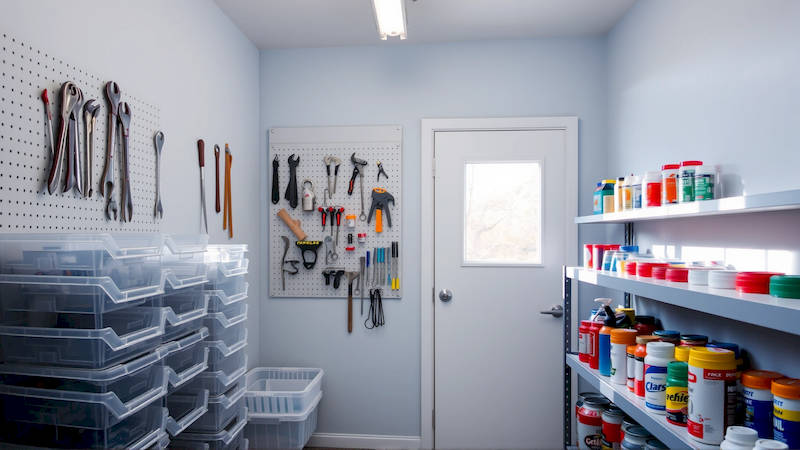
The utility room – often a catch-all for everything from cleaning supplies to seasonal decorations, tools, and pet care items – quickly descends into chaos without a robust organization system. While decluttering is the crucial first step, maintaining order requires a strategy that goes beyond simply having bins. This is where the power of labeling and color-coding comes in. A well-executed system doesn't just look tidy; it enhances efficiency, saves time, and prevents frustrating searches for misplaced items. Many underestimate the impact of this seemingly small detail, overlooking the significant return on investment in terms of reduced stress and a more functional home.
Too often, utility room organization is an afterthought. We rush to contain the clutter, but fail to create a system that's intuitive and easy to maintain. This often leads to items ending up back in disarray. Effective labeling and color-coding address this, acting as visual cues that reinforce proper storage habits. It’s about turning your utility room from a source of dread into a genuinely helpful space. This article will delve into best practices, providing a comprehensive guide to help you transform your utility room into an organized haven.
- Defining Your Categorization System: The Foundation of Order
- Choosing the Right Labeling Method: Durability and Clarity
- Harnessing the Power of Color-Coding: A Visual Inventory
- Maximizing Visibility and Accessibility: Placement Matters
- Maintaining Your System: A Habitual Approach
- Expanding Beyond Bins: Applying the Principles
- Conclusion: A More Functional and Less Stressful Home
Defining Your Categorization System: The Foundation of Order
Before you even think about labels or color swatches, you need a well-defined categorization system. This is the backbone of the entire process, and the more thoughtful you are upfront, the more effective your organization will be long-term. Resist the temptation to be overly specific initially. Broad categories are easier to maintain than incredibly granular ones. Think about how you use the items, not just what they are. For example, instead of “Laundry Detergent – Tide,” consider “Laundry Supplies,” encompassing all detergents, fabric softeners, and stain removers.
Establishing these broad categories allows for flexibility as your needs evolve. It’s far easier to add a subcategory (e.g., “Delicates Laundry Supplies”) later than to completely overhaul your entire system. A common mistake is to create categories that are too similar, leading to confusion. Consider how frequently you access items; frequently used supplies deserve their own dedicated bins, while less-used items can be grouped together more generally. A useful exercise is to empty the entire utility room, grouping items as you go. This visual process often highlights natural categories you hadn’t considered.
Consider also the physical space available. Bulky items like holiday decorations might necessitate larger bins, dictating category size. Don't be afraid to use a combination of bin sizes to match the volume of items within each category. Popular categories typically include Cleaning Supplies, Pet Supplies, Seasonal Decorations, Auto Care, Tools, First Aid, and Overflow Pantry items. The key is personalization - it must reflect your household's specific needs.
Choosing the Right Labeling Method: Durability and Clarity
Once you have your categories defined, choosing the right labeling method is crucial. Several options exist, each with its pros and cons. Simple adhesive labels are the most affordable and easiest to apply, but they are often the least durable, potentially peeling or fading over time, especially in a frequently used and sometimes damp environment like a utility room. Permanent markers on pre-made labels offer improved durability, but can look less polished. A label maker is a significant investment but provides a professional, clean look and allows for easy editing and replacement of labels.
However, the best labeling method isn’t purely aesthetic; it’s about readability and longevity. Consider using waterproof or water-resistant labels, especially for items that might be exposed to splashes or humidity. Laminating labels adds an extra layer of protection against wear and tear. Regardless of the method, font choice matters. Opt for a clear, easy-to-read font in a size that’s visible from a distance. Avoid overly stylized or cursive fonts. The information on the label should be concise and unambiguous. For example, “Cleaning – Bathroom” is much clearer than simply “Bathroom.”
Beyond the label itself, placement is key. Apply labels consistently - either on the front, side, or top of the bin, but always in the same location. This creates a visual rhythm that makes it easier to locate items quickly. For bins stored on shelves, positioning the label on the front is optimal. For stacked bins, the side is more practical.
Harnessing the Power of Color-Coding: A Visual Inventory
While labeling identifies what is in a bin, color-coding provides a secondary layer of organization and can dramatically improve efficiency. This system leverages our brains’ natural ability to process visual information faster than text. For example, you might assign blue to all cleaning supplies, green to gardening items, red to emergency supplies, and yellow to seasonal decorations. This allows you to quickly scan the room and identify where items are located even without reading the labels.
The key to successful color-coding is consistency. Choose a color scheme and stick to it. Avoid using too many colors, as this can become visually overwhelming. Three to five colors are generally sufficient. "According to a study by the University of Winnipeg, color-coded systems can improve search efficiency by up to 60%," states Dr. Emily Carter, a leading organizational psychologist. (Source: Journal of Applied Psychology, 2018). Consider using colored lids, colored bins, or colored labels to achieve your desired effect.
Think about associating colors with logical groupings. For example, assigning red to emergency/safety related items (first aid, fire extinguishers) feels inherently intuitive. Don’t be afraid to combine color-coding with labeling. The color provides a quick visual cue, while the label offers specific information. This dual approach maximizes the effectiveness of your organization system.
Maximizing Visibility and Accessibility: Placement Matters
Labeling and color-coding are rendered ineffective if the bins themselves are difficult to access or obscured from view. Consider the ergonomics of your utility room when arranging your bins. Frequently used items should be placed at eye level or within easy reach. Less frequently used items can be stored on higher shelves or in less accessible locations. Avoid stacking bins too high, as this can create instability and make it difficult to retrieve items from the bottom.
Utilize shelving to maximize vertical space. Adjustable shelves are particularly useful, allowing you to customize the height to accommodate different bin sizes. If possible, arrange bins so that the labels are clearly visible from the doorway. Good lighting is also essential. A well-lit utility room makes it easier to locate items and maintain organization. Consider adding under-cabinet lighting or a brighter overhead fixture.
Think about the flow of traffic within the utility room. Position bins so that they don’t obstruct walkways or create bottlenecks. Regularly reassess the placement of your bins based on your changing needs and usage patterns.
Maintaining Your System: A Habitual Approach
Implementing a labeling and color-coding system is only the first step. Maintaining it requires a consistent effort. Establish a “put away” rule – immediately return items to their designated bins after use. This prevents clutter from accumulating and ensures that the system remains effective. Schedule a regular decluttering session – even 15-30 minutes a month can make a significant difference. During these sessions, review your labels and color-coding to ensure that they still accurately reflect the contents of the bins.
Encourage all members of your household to participate in the system. Ensure that everyone understands the categorization system and knows where items belong. Lead by example and consistently model good organizational habits. Treat your utility room organization as an ongoing project, not a one-time fix. As your needs evolve, be prepared to adapt your system accordingly. Remember that a slightly imperfect, consistently maintained system is far more effective than a perfectly designed system that quickly falls into disrepair.
Expanding Beyond Bins: Applying the Principles
The principles of labeling and color-coding extend beyond traditional bins. Consider using them on shelves to designate specific areas for different items. Colored shelf dividers can visually separate categories and prevent items from spilling over. You can also use these techniques to organize drawers, using drawer dividers and labels to keep contents neat and tidy. Don't limit your thinking to the utility room alone! These strategies are highly effective in kitchens, pantries, garages, and even closets.
Customizing solutions for each space reinforces these organizational habits throughout the house. This also helps everyone recognize the system in any room, minimizing confusion and maximizing effectiveness. For example, consistent color designations across multiple areas – blue for cleaning in both the utility room and kitchen – creates a cohesive and intuitive experience. This broader application elevates home organization from a series of isolated projects to a comprehensive, integrated lifestyle.
Conclusion: A More Functional and Less Stressful Home
Successfully labeling and color-coding your utility room bins is about more than just aesthetics; it’s about creating a functional space that simplifies your life. By investing the time to define a clear categorization system, choose durable and legible labeling methods, and leverage the power of color-coding, you can transform your utility room from a chaotic catch-all into an organized haven. Remember to prioritize accessibility, maintain the system consistently, and expand the principles to other areas of your home.
The key takeaways are these: thoughtful categorization is the foundation, durability of labels is paramount, color-coding enhances visual efficiency, and consistent maintenance is essential. Don't aim for perfection, aim for a system that works for you and minimizes frustration. Start small, focus on one section at a time, and celebrate your progress. You’ll quickly find that a well-organized utility room not only saves you time and energy, but also contributes to a more peaceful and efficient home environment.
Deja una respuesta