
How to Create a Rotation System for Seasonal Décor Throughout the Year
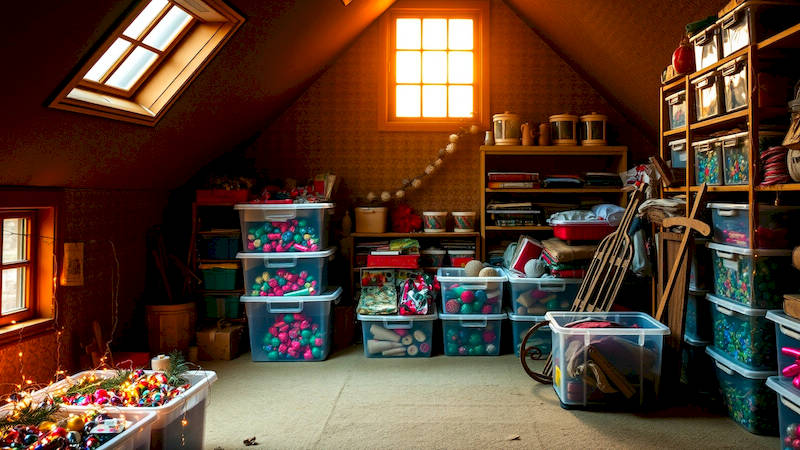
The allure of transforming your home to reflect the changing seasons, holidays, and personal milestones is undeniable. From the cozy warmth of autumn leaves to the sparkling magic of winter holidays, seasonal décor injects personality and festivity into our living spaces. However, this joyful process often comes with a hidden cost: the overwhelming accumulation of decorations and the annual struggle of unearthing them from chaotic storage. Many homes become repositories for forgotten garlands, faded ornaments, and half-used craft supplies. This isn’t just an aesthetic issue; it’s a source of stress, wasted space, and even lost money on duplicates purchased out of sight-of-mind.
Fortunately, a well-planned décor rotation system can transform the seasonal decorating experience from a frustrating chore to a seamless, enjoyable undertaking. It’s about more than just organization; it's about curating a collection you love, conserving space, and ensuring your decorations are protected and readily available when the time comes to adorn your home. A strategic approach minimizes clutter, simplifies transitions, and ultimately allows you to truly savor the spirit of each season without the baggage of disorganized storage.
This guide will provide a detailed framework for creating and maintaining a décor rotation system, encompassing everything from initial decluttering to long-term storage solutions and calendar planning. We'll explore practical steps, crucial considerations, and expert tips to help you cultivate a seasonal sanctuary where joy, not chaos, reigns supreme.
- The Great Purge: Decluttering Your Seasonal Collection
- Establishing Dedicated Storage Zones
- The Décor Rotation Calendar: Scheduling Your Transitions
- Inventory and the "One In, One Out" Rule
- Protecting Your Investments: Storage Best Practices
- Beyond the Bins: Creative Storage Solutions
- Conclusion: Cultivating a Joyful Seasonal Rhythm
The Great Purge: Decluttering Your Seasonal Collection
Before embarking on any organizational journey, it’s paramount to confront the reality of what you already own. Be honest with yourself – how much of your current seasonal décor truly sparks joy? Many items linger out of obligation or sentimentality, taking up valuable space and mental energy. This initial decluttering phase is the most challenging but also the most impactful step in establishing a sustainable rotation system. Don't view it as getting rid of memories, but rather refining your collection to showcase the pieces you genuinely love.
Start by pulling everything out of storage. Resist the urge to decorate as you go. The goal is to see the totality of your collection laid out before you. Then, categorize items by season or holiday (Spring, Summer, Fall, Winter/Christmas, Halloween, Thanksgiving, etc.). Within each category, create three distinct piles: Keep, Donate/Sell, and Trash. For the "Keep" pile, ask yourself critical questions: Do I genuinely love this item? Have I used it in the past three years? Is it in good condition? If the answer to any of these is "no," it likely belongs in one of the other piles. According to a survey by the National Association of Productivity and Organizing Professionals (NAPO), the average household spends approximately $125 per year on items they never use—a significant portion of which are often seasonal decorations.
Once you’ve completed the initial sort, be ruthless with the “Donate/Sell” and “Trash” piles. Donating gently used items gives them a new life, while selling can recoup some of your investment. Discard broken or irreparably damaged items responsibly. Remember, less clutter equals more space, more clarity, and a more intentional decorating experience. Consider taking photographs of items you’re parting with if the memories associated are particularly strong – that way you retain the emotional connection without the physical weight.
Establishing Dedicated Storage Zones
Once you've curated your collection, the next key is dedicated storage. Don't scatter holiday decorations throughout the attic, basement, or garage; instead, establish specific zones tailored to each season or holiday. This makes retrieval and replacement significantly easier. Choose a storage location that’s relatively climate-controlled and protected from extreme temperatures, humidity, and pests. Basements are often convenient but prone to dampness, while attics can experience extreme temperature fluctuations. A dedicated closet or section of the garage can work well, provided it's properly sealed and protected.
Consider using clear plastic bins with locking lids. These protect items from dust, moisture, and pests while allowing you to easily see their contents without having to open them. Label each bin meticulously with the season or holiday it contains and a brief list of the items inside. Avoid cardboard boxes, which are susceptible to damage and attract pests. Larger items, like wreaths or oversized decorations, may require dedicated shelving or hanging storage. Utilize vertical space as much as possible with shelves, hanging organizers, and storage racks.
Furthermore, grouping decorations by type within each bin creates extra efficiency. For example, a Christmas bin could have sections for ornaments, lights, garlands, and tabletop decorations. This level of detail prevents unnecessary rummaging and simplifies the decorating process. Reportedly, homeowners spend an average of 6-8 hours each year solely on untangling Christmas lights; organized storage can drastically reduce this frustration.
The Décor Rotation Calendar: Scheduling Your Transitions
A successful décor rotation system relies on proactive planning. Create a detailed calendar outlining when you will switch out your decorations. This prevents last-minute scrambling and ensures a smooth transition between seasons. The calendar should include not only the dates for swapping decorations but also reminders for tasks like cleaning, repairs, and inventory checks. This is particularly important for holiday décor, as items may require maintenance or replacement after prolonged storage.
Don’t limit your calendar to specific holidays. Consider incorporating smaller seasonal transitions as well, such as switching from a spring floral theme to a summer coastal aesthetic. This allows you to enjoy the benefits of seasonal décor throughout the year, not just during major holidays. When scheduling your transitions, factor in your personal schedule and availability. Avoid planning for major decorating projects during busy periods or stressful times.
Consider a phased approach to decorating. For instance, rather than taking down all your fall décor in one day and replacing it with Christmas decorations, you could start by removing non-essential fall items a week or two before Thanksgiving, then gradually introduce Christmas elements over the following weeks. This prevents overwhelm and allows you to savor the transition.
Inventory and the "One In, One Out" Rule
Maintaining a manageable collection requires ongoing discipline. After each decorating season, take the time to update your inventory list. Note any items you didn't use, any that were damaged, or any that you decided to retire. This information will inform your purchasing decisions for the following year. Implement the “one in, one out” rule: for every new decoration you acquire, get rid of an existing one. This prevents your collection from growing out of control.
Consider a digital inventory system, such as a spreadsheet or a dedicated app. This allows you to easily track your decorations, their location, and their condition. Include photos of each item for quick identification. A digital inventory is particularly helpful if you have a large collection or multiple storage locations. A well-maintained inventory also prevents the frustrating experience of purchasing duplicate items or forgetting what you already own. It allows for thoughtful, deliberate acquisitions that add genuine value to your seasonal displays.
Protecting Your Investments: Storage Best Practices
Proper storage is crucial for preserving the quality of your decorations and extending their lifespan. Delicate ornaments, for example, should be individually wrapped in acid-free tissue paper or bubble wrap. Store fragile items in sturdy bins with ample cushioning. Lights should be carefully wound around cardboard or plastic spools to prevent tangling. Christmas trees, both artificial and real, require special attention. Artificial trees should be disassembled and stored in a dedicated tree bag or box.
When storing fabrics and linens, use breathable cotton storage bags or acid-free boxes. Avoid plastic bags, which can trap moisture and lead to mildew. For wreaths, use wreath storage bags to protect them from dust and damage. Avoid stacking heavy items on top of fragile decorations. Periodically inspect your stored decorations for signs of damage or pests. Address any issues promptly to prevent further deterioration.
Don't overlook the importance of climate control. As mentioned before, storing decorations in a cool, dry environment is essential for preventing mold, mildew, and fading. Consider using dehumidifiers or moisture absorbers in your storage area if necessary. Regularly cleaning your storage space will also help prevent pests and maintain a healthy environment for your decorations.
Beyond the Bins: Creative Storage Solutions
While plastic bins are a mainstay of seasonal décor storage, explore creative alternatives to maximize space and add aesthetic appeal. Utilize under-bed storage containers for less frequently used items. Convert unused wall space into storage with shelves, hooks, and hanging organizers. Repurpose vintage suitcases, trunks, or dressers as decorative storage solutions. Ladder shelves are especially useful for displaying seasonal items.
Don’t underestimate the power of multi-functional furniture. Ottomans with hidden storage compartments, benches with lift-up seats, and coffee tables with drawers can all provide discreet storage for small decorations. For smaller items like ornaments and ribbons, consider utilizing mason jars or decorative boxes. When displayed, these containers can add charm to your décor.
Think vertically! Utilizing the space above doorways, in corners, and along walls can significantly increase storage capacity. Remember to prioritize accessibility. While creative storage solutions can be visually appealing, they should still allow you to easily access your decorations when needed.
Conclusion: Cultivating a Joyful Seasonal Rhythm
Establishing a décor rotation system is an investment in your time, space, and overall well-being. It's about more than just tidying up; it’s about creating a home that reflects your personal style and celebrates the changing seasons without the stress of overwhelming clutter. The core to success lies in the initial decluttering – be honest about what you love and use, and let go of the rest. Consistent organization, coupled with a well-planned calendar, will transform the ritual of seasonal decorating from a chaotic undertaking into a joyful expression of creativity.
The key takeaways are these: declutter ruthlessly, zone your storage, calendar your rotations, implement the “one in, one out” rule, protect your investments with proper storage practices, and explore creative storage solutions. Implementing these steps not only streamlines your decorating process but also fosters a sense of calm and intention within your living space. Ultimately, a well-maintained décor rotation system cultivates a seasonal sanctuary where you can fully embrace the beauty and joy of each passing season. Start small, be consistent, and enjoy the transformation of your home, and your state of mind.
Deja una respuesta