
Using Clear Plastic Bins to Categorize Seasonal Garage Items
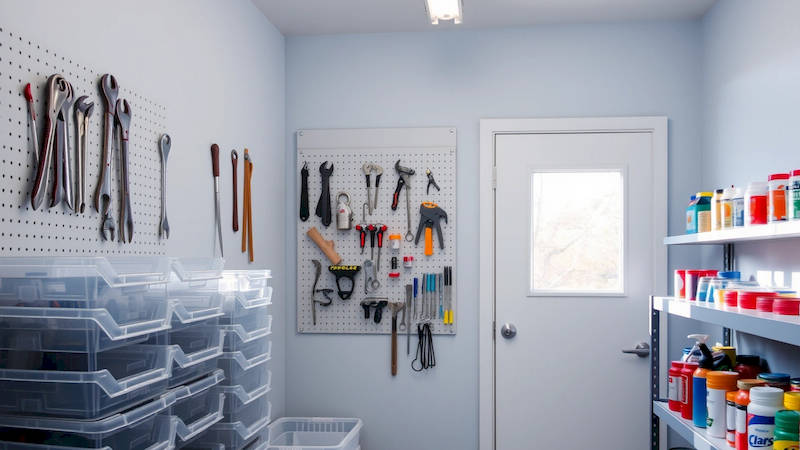
The garage. For many homeowners, it’s a catch-all space—a repository for everything from holiday decorations and sports equipment to gardening tools and out-of-season clothing. This often leads to a frustrating, cluttered environment where finding what you need feels like an archeological dig. While comprehensive garage organization requires a multi-faceted approach, one surprisingly effective and easily implemented strategy is utilizing clear plastic bins to categorize seasonal items. This isn’t just about aesthetics; it’s about maximizing space, protecting belongings, and regaining control of a frequently overlooked part of your home. A well-organized garage contributes to a more functional household overall, reducing stress and saving valuable time.
Beyond simply ‘tidying up’, effective garage organization directly impacts household efficiency. According to a recent study by the National Association of Professional Organizers (NAPO), Americans spend an average of 17 minutes per day looking for misplaced items – a significant chunk of wasted time that could be better spent. Seasonal items, by their very nature, are only needed for a limited period, making them prime candidates for strategic storage. The key is to move beyond haphazard stacking and create a system that allows for quick identification and easy access when the time comes. This makes clear plastic bins an excellent solution, offering visibility, protection, and stackability.
- The Core Benefits of Clear Bin Categorization
- Establishing a Categorization System: Beyond "Holiday Stuff"
- Implementing the Bin System: A Step-by-Step Guide
- Choosing the Right Bins: Materials, Features, and Cost
- Maintaining the System: Regular Reviews and Adjustments
- Beyond Storage: Utilizing Bin Space Creatively
- Conclusion: Reclaiming Your Garage, Reclaiming Your Time
The Core Benefits of Clear Bin Categorization
The appeal of clear plastic bins lies in their simplicity and versatility. Unlike opaque containers, the transparency of clear bins allows you to instantly see the contents without needing to rummage through multiple containers. This visual inventory is a game-changer for those seasonal items that might otherwise be forgotten in the depths of the garage. This simple feature has a significant impact on reducing both time wasted searching and duplicate purchases; if you can see you have it, you're less likely to buy another one. More than just convenience, using clear bins also provides protection against dust, pests, and moisture, preserving your belongings for longer.
Beyond the immediate benefits of visibility and protection, clear bins promote a sense of order and control. A visually organized garage feels less overwhelming, reducing stress and encouraging consistent maintenance. Consider the psychological principles at play – a cluttered environment can contribute to feelings of anxiety and a lack of control, whereas an organized space can foster a sense of calm and productivity. The homogenous look of stacked clear bins is also visually less chaotic than an assortment of mismatched boxes and containers. This consistency creates a more pleasant and functional space, ensuring the garage doesn't become a dreaded zone.
Finally, the varying sizes and styles of clear plastic bins make them adaptable to a wide range of storage needs. From small bins for delicate ornaments to larger bins for bulky winter clothing, there’s a bin to fit almost any item. This flexibility allows for optimized space utilization, minimizing wasted space and maximizing storage capacity. This extension of physical space is often a significant benefit, especially in garages where square footage is at a premium.
Establishing a Categorization System: Beyond "Holiday Stuff"
Simply tossing items into clear bins isn't enough. A successful system requires a well-defined categorization scheme. Broad labels like "Holiday Stuff" or "Summer Gear" are insufficient and will quickly lead to disorganization. Instead, aim for hyper-specific categories that accurately reflect the contents of each bin. For example, instead of "Holiday Stuff," use categories like "Christmas Ornaments," "Halloween Decorations," "Thanksgiving Tableware," and "Outdoor Holiday Lights." The more precise you are, the easier it will be to locate items when you need them.
When devising your categorization system, consider the frequency of use. Items you access yearly should be stored towards the front or in easily accessible locations, while items used less frequently can be placed higher up or further back. Also, think about grouping items that are used together. For instance, store all your winter sports equipment (skis, boots, helmets, gloves) in a single bin or a cluster of bins. A successful categorization method isn’t created in a days time; consider this a living system that evolves to your needs. Start broad, and refine as you go.
To take this a step further, consider creating a master inventory list. This could be a simple spreadsheet or a more sophisticated digital inventory using a home organization app. The inventory list should include the contents of each bin, the bin's location in the garage, and any relevant notes (e.g., "fragile," "requires batteries"). This provides an extra layer of organization and simplifies the retrieval process.
Implementing the Bin System: A Step-by-Step Guide
Implementing the clear bin system requires a dedicated effort but yields substantial rewards. Start by completely emptying the designated storage area in your garage. This allows you to assess the volume of items and create a realistic plan. Then, sort the items into piles based on your pre-defined categories. Don’t be afraid to purge items you no longer need or use—this is a prime opportunity to declutter and streamline your belongings. Remember, the less you store, the less you have to organize!
Next, select the appropriate size and quantity of clear plastic bins based on the size and number of your categorized piles. Invest in bins with secure lids to protect against dust, pests, and moisture. Consider bins with reinforced handles for easy carrying. As you fill each bin, clearly label it with a permanent marker, using detailed and specific descriptions (e.g., "Christmas Tree Ornaments - Delicate Glass"). Attach the label to multiple sides of the bin for enhanced visibility. Ensure all labels are legible and use a consistent font and style.
Finally, strategically place the filled and labeled bins in your garage, prioritizing accessibility based on frequency of use. Utilize vertical space by stacking bins carefully, ensuring the stack remains stable. Consider investing in shelving units to maximize storage capacity and improve organization. Regularly reassess and adjust your system as needed, based on your evolving storage needs.
Choosing the Right Bins: Materials, Features, and Cost
Not all clear plastic bins are created equal. When selecting bins, consider the material. Polypropylene (PP) is a durable, lightweight, and affordable option commonly used for storage bins. However, it can become brittle in extremely cold temperatures. Polyethylene (PE) is more flexible and resistant to cold, but may be less rigid. Look for bins made from food-grade plastic if you plan to store items that may come into contact with food (even indirectly).
Features like locking lids, reinforced corners, and stackable designs can significantly enhance the functionality and durability of the bins. Locking lids provide added security and prevent accidental spills. Reinforced corners protect against damage during handling and stacking. Stackable designs maximize vertical space and promote a more organized appearance. Consider the intended use when choosing features; heavy-duty bins with secure lids are essential for storing fragile or valuable items.
The cost of clear plastic bins can vary widely depending on the size, material, and features. A basic clear plastic bin might cost around $5-10, while a large, heavy-duty bin with locking lids could cost $20 or more. Invest in quality bins that will withstand repeated use and provide long-lasting storage solutions. While it's tempting to opt for the cheapest options, durable bins will save you money in the long run by preventing breakage and the need for frequent replacements.
Maintaining the System: Regular Reviews and Adjustments
Implementing the clear bin system is only the first step. Maintaining the system requires regular reviews and adjustments. At least twice a year—ideally during seasonal transitions—take the time to reassess your storage needs and refine your categorization scheme. Remove any items you no longer use or need, and update your inventory list accordingly. This prevents the system from becoming cluttered and ensures it remains effective.
Furthermore, commit to putting items back in their designated bins immediately after use. This simple habit prevents clutter from accumulating and reinforces the organizational system. Encourage all household members to adhere to the same principles and participate in maintaining the system. Consistency is key to long-term success.
Finally, be prepared to adapt the system as your needs evolve. As your family grows and your interests change, your storage needs will likely change as well. Don’t be afraid to reorganize categories, add new bins, or modify the system to better suit your current lifestyle. Regular maintenance and adaptation are essential to ensuring that your clear bin system remains a functional and effective storage solution.
Beyond Storage: Utilizing Bin Space Creatively
The benefits of clear bin storage extend beyond simply keeping items safe and organized. Utilize the outer surface of the bins for added functionality. Consider attaching small whiteboards or sticky notes to label bins beyond their written label for quick notes or reminders. This is particularly useful for bins containing frequently used items or those with complex contents.
Another creative application is using clear bins as temporary workshops or crafting stations. Place a bin on a sturdy surface and fill it with art supplies, small tools, or other project materials. This creates a portable and contained workspace that can be easily stored away when not in use. Additionally, consider using the vertical space created by stacked bins to attach small shelves or hanging organizers for even more storage capacity.
Conclusion: Reclaiming Your Garage, Reclaiming Your Time
Implementing a clear plastic bin categorization system for seasonal garage items is more than just a storage solution; it's an investment in your time, your space, and your peace of mind. By embracing a proactive approach to organization and prioritizing visibility, protection, and accessibility, you can transform your garage from a source of frustration to a functional and efficient extension of your home. The initial effort involved in sorting, categorizing, and labeling will be repaid tenfold in the long run through reduced clutter, streamlined access to belongings, and a more organized and manageable living space.
Remember, the key takeaways are specificity in categorization, diligent labeling, regular maintenance, and adaptation to evolving needs. Don’t be afraid to start small, focusing on one category or area of the garage at a time. And most importantly, commit to making organization a habit. By embracing these principles, you can conquer the chaos and reclaim control of your garage, freeing up valuable time and energy for the things that truly matter. Your well-organized garage awaits!
Deja una respuesta