
Designing a Multi-Functional Attic Office Space
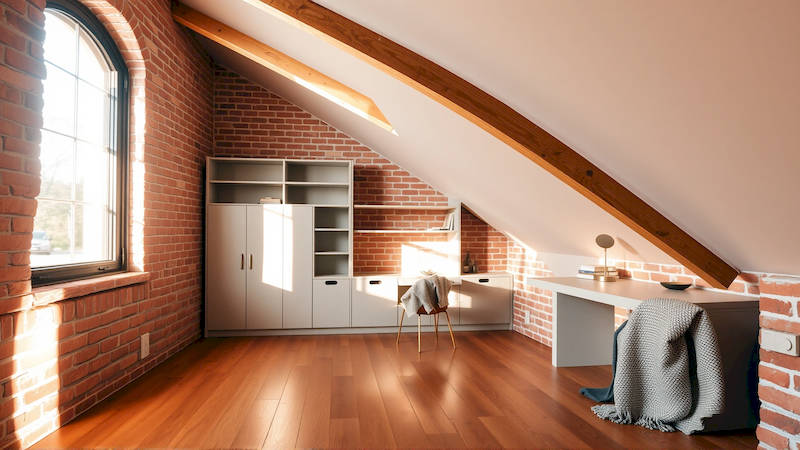
The rise of remote work and the increasing desire for dedicated workspaces within the home have fueled a surge in attic conversions. Once relegated to storage, attics are now being reimagined as vibrant, functional living spaces. However, successfully transforming an attic into an effective office requires more than just slapping down a desk. It demands careful planning, consideration of architectural challenges, and a detailed understanding of how to maximize the often-awkward space. A well-designed attic office can enhance productivity, provide a peaceful retreat, and even increase your home’s value. This article will provide a comprehensive guide to designing a multi-functional attic office, covering everything from initial assessment to finishing touches.
Attic conversions offer a unique opportunity to create a dedicated workspace separate from the main living areas, fostering focus and minimizing distractions. According to a recent study by HomeAdvisor, attic conversions typically cost between $40,000 and $80,000, with the office being one of the most popular conversion purposes. While that's a significant investment, the increased home value – often exceeding the renovation cost – and the benefit of a permanent, tailored workspace make it a compelling option for many homeowners. Beyond the functional benefits, an attic office can offer stunning views and a unique architectural character, setting it apart from traditional office environments.
- Assessing Attic Suitability and Addressing Structural Concerns
- Optimizing Layout and Space Planning for Functionality
- Prioritizing Natural Light and Effective Illumination
- Incorporating Storage Solutions for a Clutter-Free Workspace
- Addressing Soundproofing and Acoustic Considerations
- Finishing Touches: Aesthetics, Comfort, and Personalization
Assessing Attic Suitability and Addressing Structural Concerns
Before diving into design plans, a thorough assessment of your attic's structural integrity and suitability is crucial. This is not a DIY phase; professional evaluation is paramount. You need to determine if the existing joists can support the added weight of furniture, equipment, and, most importantly, people. Many attics are initially framed for storage, not living space, and require reinforcement. This might involve adding additional support beams, reinforcing existing ones, or even upgrading the roof structure. Ignoring these concerns can lead to costly repairs or, worse, structural failure down the line.
Furthermore, consider the existing headroom. Most building codes require a minimum ceiling height of 7 feet for habitable space, and many attics fall short. This is where dormer additions or roof lifts come into play, adding both headroom and natural light. These are substantial structural undertakings requiring permits and professional builders. Don't underestimate the impact of existing HVAC systems. Will the current system adequately heat and cool the new space? You may need to extend ductwork or install a mini-split system, adding to the overall cost and complexity of the project. A professional assessment will clearly outline these necessary modifications, providing a realistic budget and timeline.
Finally, check for existing utilities like plumbing or electrical wiring. Relocating these can be expensive and disruptive, so understanding their placement upfront is vital for planning. Consider the accessibility of the attic itself. A steep, narrow staircase presents a challenge for moving furniture and equipment, and may require modification.
Optimizing Layout and Space Planning for Functionality
Attics are notorious for their sloped walls and awkward angles. Capitalizing on the usable space requires a thoughtful and creative layout. The key is to identify the areas with the greatest headroom and focus the primary workspace there. A common approach is to position the desk and main seating area under the highest part of the roof, maximizing comfort and usability. Consider a built-in aesthetic to take advantage of the sloping walls; custom shelving and storage solutions can fit seamlessly into the available space, eliminating wasted areas.
Don't be afraid to think vertically. Utilize tall bookshelves or storage units to maximize space and create a visually appealing room. Multi-functional furniture is also a game-changer. A storage ottoman, a desk with built-in drawers, or a daybed that doubles as a guest bed are all excellent choices. When planning the layout, consider the flow of movement. Ensure there's enough space to move comfortably around the room without bumping into obstacles. For example, analyze the position of windows and doors, and design the workspace around them. A detailed floor plan – even a hand-drawn one – is invaluable for visualizing the space and identifying potential challenges. Consulting with an interior designer specializing in small space solutions can also unlock creative possibilities you might not have considered.
Prioritizing Natural Light and Effective Illumination
Attics often suffer from a lack of natural light, making it crucial to maximize any existing windows and supplement with effective artificial lighting. Dormer windows are the most effective solution, bringing in significant natural light and improving ventilation. If dormers aren't feasible, consider skylights. Strategically placed skylights can dramatically brighten the space, but ensure they're equipped with adjustable shades to control glare and heat gain.
When it comes to artificial lighting, layering is key. Start with ambient lighting – recessed lights or a central ceiling fixture – to provide overall illumination. Then, add task lighting – a desk lamp or adjustable track lighting – to focus on specific work areas. Finally, incorporate accent lighting – wall sconces or strategically placed spotlights – to highlight architectural features and create a more inviting atmosphere. Choose LED bulbs for energy efficiency and long lifespan. Pay attention to color temperature, opting for warmer tones (2700K-3000K) for a cozy and inviting feel or cooler tones (3500K-5000K) for a more energizing workspace. According to the American Lighting Association, proper lighting can increase productivity by as much as 15%.
Incorporating Storage Solutions for a Clutter-Free Workspace
A cluttered workspace is a cluttered mind. Integrating ample storage is paramount in a multi-functional attic office. Utilize the awkward spaces under the eaves by building custom storage cabinets or shelving units. These areas are often unusable for other purposes, making them perfect for storing files, supplies, or less frequently used items. Consider incorporating pull-out drawers or shelves for easy access.
Built-in storage along the walls can maximize space without encroaching on the usable floor area. For smaller items, utilize wall-mounted organizers and floating shelves. A dedicated filing cabinet is essential for keeping important documents organized and accessible. If space allows, consider a small closet for storing larger items like printer paper or office supplies. Remember to prioritize functionality and accessibility when designing your storage solutions. The goal is to create a clutter-free workspace that promotes focus and productivity. Regular decluttering is also vital – don't let items accumulate unnecessarily.
Addressing Soundproofing and Acoustic Considerations
Attics are often prone to noise transmission—from footsteps below to sounds from the roof—which can be disruptive to work. Addressing soundproofing and acoustic considerations is vital for creating a peaceful and productive workspace. Start by adding insulation to the attic floor and walls. This will help dampen sound transmission from below and reduce noise from outside. Consider using sound-absorbing materials like acoustic panels, thick curtains, or area rugs to further reduce noise levels within the office.
Pay attention to the flooring. Carpet or thick rugs will absorb sound better than hardwood or laminate flooring. If you opt for hardwood, use an underlayment specifically designed for soundproofing. Seal any gaps or cracks in the walls or ceiling, as these can also allow sound to travel. For increased privacy during calls or video conferences, consider using soundproof curtains or a portable acoustic booth. As reported by the National Acoustics Association, proper soundproofing can reduce noise levels by up to 30 decibels, creating a significantly more comfortable and focused work environment.
Finishing Touches: Aesthetics, Comfort, and Personalization
Once the structural and functional aspects are addressed, it’s time to focus on aesthetics, comfort, and personalization. Choose a color scheme that promotes focus and creativity. Neutral colors like grays, blues, and greens are generally good choices, but don’t be afraid to add pops of color through artwork or accessories. Select comfortable and ergonomic furniture that supports good posture and reduces strain. A comfortable chair, a height-adjustable desk, and proper monitor placement are essential for long work sessions.
Incorporate plants to add life and freshness to the space. Plants can also improve air quality and reduce stress. Personalize the office with artwork, photos, and other items that inspire you and reflect your personality. Ensure the space is well-ventilated to maintain fresh air circulation. A small fan or air purifier can help improve air quality. Pay attention to the details – the right lighting, comfortable seating, and personalized accessories can transform an attic into a truly inspiring and productive workspace.
In conclusion, designing a multi-functional attic office space requires careful planning, structural considerations, and a creative approach to space utilization. From assessing the attic’s suitability and addressing potential structural challenges to optimizing the layout, maximizing natural light, and incorporating storage solutions, each step is crucial for creating a functional and aesthetically pleasing workspace. Prioritizing soundproofing, comfort, and personalization further enhances the overall experience. By embracing these principles, you can transform your underutilized attic into a valuable asset—a dedicated space that supports productivity, creativity, and a better work-life balance. The initial investment, while substantial, is often offset by increased home value and the immeasurable benefits of having a dedicated, tailored workspace. Consider consulting with professionals—architects, builders, and interior designers—to ensure a successful and enjoyable attic office conversion.
Deja una respuesta