
DIY Customized Drawer Dividers for Bathroom Essentials
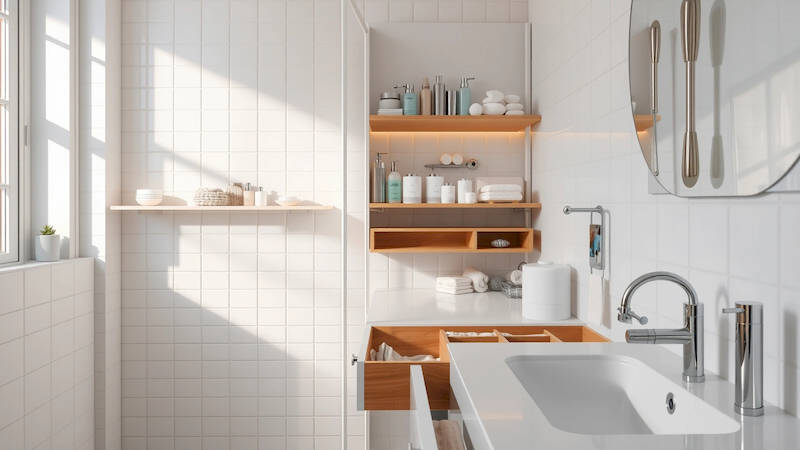
The bathroom, often a sanctuary for personal care, frequently transforms into a chaotic collection of products. From toiletries to makeup, medications to hair accessories, the sheer volume of essentials can quickly overwhelm even the most spacious vanity. This disorganization isn't merely an aesthetic issue; it impacts our daily routines, causes stress, and can even lead to product wastage. The key to reclaiming control lies in effective bathroom storage, and a surprisingly impactful solution is often found within the drawers themselves. While pre-made drawer organizers can be costly and rarely fit perfectly, a DIY approach allows for complete customization, tailoring storage specifically to your needs and the unique dimensions of your bathroom.
Taking the time to create customized drawer dividers isn’t just about tidiness; it’s about optimizing space and improving your daily ritual. Imagine effortlessly finding the lip balm you need, or knowing exactly where to reach for your toothbrush, all without rummaging through a jumbled mess. Furthermore, a well-organized bathroom promotes hygiene – clean surfaces and readily accessible products encourage consistent care. This article will guide you through the process of designing and building your own drawer dividers, transforming your bathroom from a source of frustration to a haven of organized bliss. We’ll cover material choices, design considerations, construction techniques, and even address solutions for renters who need temporary, non-damaging options.
Assessing Your Needs and Planning Your Design
Before rushing to gather materials, the crucial first step is a thorough assessment of your current bathroom drawer situation. Empty each drawer completely and categorize the items within. Group like with like – skincare, makeup, hair accessories, dental care, first aid supplies, and so on. This exercise immediately reveals what you have, highlights duplicates you can discard, and exposes the true space constraints you’re working with. Don’t underestimate the power of decluttering before organizing; a smaller volume of items will naturally be easier to manage.
Next, carefully measure the interior dimensions of each drawer – length, width, and importantly, height. Don't assume drawers are perfectly rectangular; irregularities can impact the fit of your dividers. Sketch out rough designs incorporating the various categories you identified. Consider the height of the tallest items within each category to ensure sufficient space. Think about how frequently you access different items; those used daily should be easily reachable, while less-frequently used products can be positioned towards the back. A successful design prioritizes accessibility and logical arrangement. For instance, create a dedicated section for daily makeup, positioning it at the front of a drawer, while infrequently used travel-sized toiletries can be relegated to a more secluded spot.
Finally, consider the materials available to you. Common options include balsa wood, plywood, acrylic, cardboard (for temporary solutions), and even repurposed materials like foam board or sturdy plastic containers. The material choice will influence the overall look, durability, and cost of the project. Balsa wood is easy to cut and relatively inexpensive but lacks durability. Plywood is stronger but requires more effort to cut cleanly. Acrylic offers a sleek, modern look but can be pricier and more challenging to work with. The key is to select a material that balances your budget, skill level, and aesthetic preferences.
Material Selection: Weighing Your Options
Choosing the right material is paramount to creating durable and aesthetically pleasing drawer dividers. As mentioned previously, several options exist, each with distinct advantages and disadvantages. Balsa wood is a popular choice for beginners due to its affordability and ease of cutting with a simple craft knife. It’s ideal for smaller projects or for creating prototypes before using a more durable material. However, its softness means it’s prone to dents and breakage, making it less suitable for heavy or frequently used items. Painting or covering balsa wood with fabric can improve its appearance and offer some extra protection.
Plywood, a more robust option, offers significantly greater durability. It requires a saw for cutting – a handsaw works, but a power saw, like a jigsaw, will provide cleaner, faster results. Plywood can be stained, painted, or varnished to match your bathroom décor. While more expensive than balsa wood, its longevity and strength make it a worthwhile investment, especially for frequently used drawers. Consider the thickness of the plywood; 1/4 inch is typically sufficient for most drawer divider projects, providing adequate sturdiness without adding excessive weight. Acrylic, while visually striking, presents unique challenges. It requires specialized cutting tools and adhesives and is prone to scratching. However, its water resistance and modern aesthetic make it a good fit for bathrooms.
For renters or those seeking a temporary solution, cardboard is surprisingly effective. Sturdy cardboard boxes can be cut and assembled to create simple dividers. While not as durable as wood or acrylic, cardboard is a budget-friendly and readily available option that won't damage your existing drawers. Reinforce the cardboard with tape and consider covering it with decorative contact paper for a more polished look.
Construction Techniques: Building Your Dividers
Once you’ve chosen your materials and finalized your design, it's time to begin construction. If using wood (balsa or plywood), accurate cutting is essential. Use a sharp saw and take your time to ensure clean, straight lines. For plywood, consider using a clamp to secure the material while cutting. Sand the edges of the cut pieces to remove any splinters or rough spots. When assembling the dividers, wood glue is your friend. Apply a thin, even layer of glue to the edges being joined and clamp the pieces together until the glue is dry. For added strength, you can use small brad nails or screws.
Acrylic requires specialized adhesives designed for plastics. Avoid using super glue, as it can cloud the acrylic. Consider using acrylic cement, which chemically welds the pieces together for a strong, seamless bond. When working with acrylic, always wear safety glasses to protect your eyes from flying debris. If using cardboard, scoring the material with a craft knife before folding will create cleaner creases. Reinforce the corners and edges with packing tape or duct tape for added stability.
Regardless of the material used, accuracy in measurement and assembly is key. A slightly misaligned divider can throw off the entire organization. Always double-check measurements before cutting and test-fit the dividers in your drawer before permanently attaching them. Consider using corner braces or L-brackets to reinforce the dividers, particularly if you’re storing heavier items.
Customization and Finishing Touches: Elevating Your Organization
Beyond the basic construction, customization elevates your drawer dividers from functional to truly personalized. Consider adding labels to each section to clearly identify the contents. You can use a label maker, handwrite labels, or print them on adhesive paper. Lining the drawer bottom with non-slip material prevents items from sliding around, preserving your organization. Felt, rubber grip liner, or even shelf liner can serve this purpose.
For a touch of elegance, consider painting or staining your wooden dividers to match your bathroom décor. Acrylic dividers can be left clear for a minimalist look, or you can add decorative elements using acrylic paint pens. For a more luxurious feel, line the dividers with fabric or wallpaper. This is particularly effective for cardboard dividers, transforming them from utilitarian to surprisingly stylish.
Don’t be afraid to experiment with different configurations. Try incorporating tiered organizers within your drawers to maximize vertical space. Small containers or trays can be used to corral loose items like cotton swabs or makeup brushes. Regularly reassess your organization and adjust the dividers as your needs evolve. Remember, the goal is to create a system that works for you, making your daily routine smoother and more efficient.
Adapting for Renters: Non-Permanent Solutions
For renters, permanent modifications to bathroom fixtures are often prohibited. Fortunately, creating organized drawers doesn’t require damaging the property. As previously discussed, cardboard is an excellent non-permanent solution, easily assembled and discarded when you move. However, cardboard lacks aesthetic appeal. A more refined option involves using pre-made plastic bins and containers within your drawers. These can be arranged to create customized compartments.
Another innovative technique utilizes removable adhesive putty or double-sided tape to secure dividers made from foam board or thin plastic sheets to the drawer's interior. These materials are lightweight and won't damage the drawer surface when removed. Furthermore, adjustable tension rods can be strategically positioned within the drawer to create dividers without any adhesive. These are particularly effective for wider drawers.
Remember to thoroughly clean the drawer surfaces before applying any adhesive, ensuring a secure bond. When removing the adhesives, follow the manufacturer’s instructions to avoid leaving any residue. By utilizing these non-permanent solutions, renters can enjoy the benefits of organized bathroom drawers without jeopardizing their security deposit.
Conclusion: Embracing Organized Bathroom Bliss
Creating DIY customized drawer dividers is a worthwhile investment of time and effort. It’s a project that yields immediate and tangible benefits – a more organized bathroom, reduced stress, and a more efficient daily routine. The key takeaways from this guide are the importance of careful planning, material selection based on your needs and skill level, and attention to detail during construction. Remember to always prioritize decluttering before organizing; fewer items equal less chaos.
Whether you choose durable plywood, lightweight balsa wood, sleek acrylic, or a temporary cardboard solution, the goal remains the same: to transform your bathroom drawers from a source of frustration into a haven of organized bliss. Don’t be afraid to experiment with different configurations and personalize your dividers to reflect your unique style and needs. Start small, tackle one drawer at a time, and appreciate the incremental improvements. Ultimately, an organized bathroom isn't just about aesthetics; it's about creating a space that supports your well-being and enhances your daily life.
Deja una respuesta