
How to Create a Dedicated Bike Storage System in Your Garage
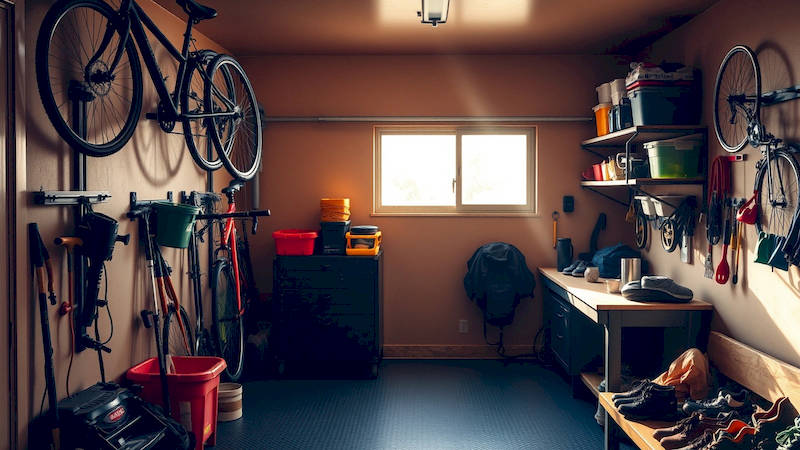
The garage, often the most underutilized space in a home, frequently becomes a dumping ground for everything from holiday decorations to yard tools. But for cycling enthusiasts, the garage should be a sanctuary for their beloved bikes – a space that facilitates easy access, protects valuable investments, and contributes to a more organized lifestyle. Few things are more frustrating than struggling to extract a bike from a tangled mess, or worse, discovering damage caused by improper storage. A well-planned bike storage system isn't just about tidiness; it's about extending the life of your bicycles, maximizing garage space, and making it easier to enjoy your rides. This article will guide you through creating a dedicated bike storage system, tailored to your needs and garage layout.
The rise in cycling’s popularity, fueled by health & wellness trends and environmental consciousness, has amplified the need for intelligent storage solutions. According to a report by the National Bicycle Dealers Association (NBDA), bicycle sales saw a significant surge during the pandemic and continue to remain strong. With more bikes per household, the challenge of finding adequate storage only intensifies. Furthermore, the type of bike – road bikes, mountain bikes, kids' bikes, electric bikes – all demand different storage considerations. This comprehensive guide will cover everything from simple, space-saving solutions to more elaborate, custom setups, ensuring your bikes are efficiently and safely stored.
Assessing Your Needs and Garage Space
Before diving into specific storage solutions, a thorough assessment of your needs and available garage space is paramount. Begin by cataloging all the bikes you need to store. Consider the type of each bike – mountain bikes with wide handlebars, sleek road bikes, heavy electric bikes, or smaller children's bikes. Each requires a different amount of space and weight capacity consideration. Next, analyze your garage's layout. How much wall space is available? Is the ceiling high enough to consider vertical storage? Are there obstructions like water heaters, electrical panels, or car parking space limitations? Accurate measurements are critical.
Beyond the bikes themselves, consider associated equipment. Do you need space for helmets, pumps, repair tools, spare tires, or cycling apparel? Incorporating storage for these items into your bike storage system streamlines your cycling routine. Furthermore, think about accessibility. How frequently do you ride each bike? Bikes used daily should be easily accessible, while those used less often can be stored in more difficult-to-reach locations. Don't underestimate the value of visualizing different configurations. Sketch out your garage layout and experiment with different storage options on paper before committing to any purchases or installations.
Finally, understand your budget. Bike storage solutions range from inexpensive hooks to sophisticated lift systems. Defining a budget early on helps narrow your choices and ensures you select solutions that align with your financial constraints. This initial phase of assessment is crucial for developing a truly effective and personalized bike storage system.
Exploring Vertical Storage Options
Vertical storage is arguably the most effective way to maximize space in a garage, particularly when floor space is limited. Several options cater to different needs and budgets. Wall-mounted bike racks, for example, are a simple and affordable solution. These racks come in various designs, some supporting bikes by the frame, others by the front or rear wheel. Ensure the rack is compatible with your bike's frame and can support its weight. For heavier bikes, particularly electric bikes, opt for sturdier, reinforced racks.
Another popular vertical solution involves utilizing the garage ceiling. Ceiling-mounted bike hoists are ideal for storing bikes you don't ride frequently. These systems use a pulley mechanism to lift the bike to the ceiling, freeing up valuable floor space. Installation requires secure mounting points in the ceiling joists – professional installation is recommended to ensure safety. “Properly securing a ceiling hoist is essential,” advises John Smith, a certified garage organizer. “Failing to do so can lead to serious accidents and damage.” A slightly less involved ceiling option is a simple hook system, although this requires lifting and lowering the bike manually.
Consider also the accessibility of vertical solutions. While they save floor space, bikes stored high up may require a step stool or ladder to access. Choose a height that’s both space-saving and manageable. Remember to account for the height of the bike itself, plus additional clearance for easy lifting and lowering.
Utilizing Floor-Based Bike Stands and Racks
While vertical storage is great for maximizing space, floor-based solutions offer easy access and are ideal for bikes you ride frequently. Simple bike stands, often called “floor stands,” hold a single bike upright, taking up minimal floor space. These are particularly useful for quick storage after a ride. More robust floor racks can accommodate multiple bikes, providing a centralized storage location. Gravity stands, which hold the bike by its wheels, are another excellent option, offering stability and ease of use.
When selecting floor stands or racks, consider the weight capacity and tire width compatibility. Mountain bike tires are wider than road bike tires, so ensure the stand can accommodate your specific bike. Look for stands with protective rubber padding to prevent scratching your bike's frame or wheels. Furthermore, consider the stability of the stand. A wobbly stand can easily tip over, potentially damaging your bike or causing injury. Choose a stand with a wide base and a low center of gravity for maximum stability.
For intermittent use or those who prefer a less permanent solution, portable bike racks can be moved around as needed. These are especially useful for multi-bike households or when garage space is often rearranged. Think about the flow of traffic in your garage when placing floor-based solutions – ensure they don’t obstruct walkways or access to other items.
Integrating Bike Repair and Maintenance Stations
A dedicated bike storage system isn't complete without a designated area for repairs and maintenance. This doesn't need to be elaborate, but having a dedicated space streamlines the maintenance process and keeps your garage organized. A sturdy workbench is the foundation of any good bike repair station. Choose a workbench with ample workspace and secure mounting points for tools. A vice is particularly useful for tasks like removing pedals or tightening components.
Consider adding a dedicated tool storage system to your repair station. Pegboards, tool chests, or magnetic tool holders are all excellent options for keeping tools organized and within easy reach. A proper lighting system is also crucial for detailed repair work. A bright, focused work light ensures you can see what you're doing clearly. "Good lighting is often overlooked," says Sarah Miller, a professional bike mechanic. "It's essential for identifying subtle issues and ensuring precise repairs."
Finally, keep essential supplies like lubricants, cleaning products, spare parts, and tire levers readily accessible. Utilizing drawers or shelves within your workbench allows for organized storage of these items. A dedicated waste bin for used rags and materials keeps your workspace clean and tidy. A well-equipped bike repair station enhances the enjoyment of cycling and helps maintain your bikes in optimal condition.
Optimizing Space with Modular Systems and Accessories
Beyond the core storage solutions, several modular systems and accessories can further optimize your garage space. Modular shelving units can be customized to fit your garage’s dimensions and accommodate various items, including bike accessories and equipment. Utilizing overhead storage racks above your bike storage area can provide additional space for seasonal items or less frequently used belongings.
Hooks are incredibly versatile for hanging helmets, jackets, pumps, and other cycling gear. Install hooks strategically to maximize wall space and keep frequently used items within easy reach. Consider utilizing corner spaces with corner shelves or bike racks to make the most of often-underutilized areas. Bike repair stands that fold away when not in use are also an excellent choice for smaller garages.
Cable management is crucial for maintaining a clean and organized look. Utilize cable ties, clips, or sleeves to neatly organize cables and prevent them from becoming tangled. Regularly declutter your bike storage area, removing unused items and reorganizing as needed. A consistently tidy space allows you to easily locate items and enjoy a more functional garage.
Conclusion: A Tailored Approach to Bike Storage
Creating a dedicated bike storage system in your garage isn't merely about finding a place to put your bikes; it’s about crafting a functional, organized space that enhances your cycling lifestyle. By carefully assessing your needs, exploring the various storage options – vertical, floor-based, and modular – and incorporating a dedicated repair station, you can reclaim valuable garage space and protect your valuable investments. Remember that the best system is the one tailored to your specific needs and garage layout.
The key takeaways are: prioritize vertical storage when space is limited, invest in sturdy and secure solutions, integrate repair and maintenance facilities, and frequently declutter and reorganize. Don’t hesitate to experiment with different configurations and utilize available resources, such as online tutorials and professional garage organizing services. Start with a plan, implement it thoughtfully, and enjoy the benefits of a well-organized garage and a more enjoyable cycling experience. Taking the time to create a thoughtful and efficient bike storage system will pay dividends not only in terms of space but also in convenience, bike longevity, and overall peace of mind.
Deja una respuesta