
How to Create a Kid-Friendly Snack Station in the Pantry
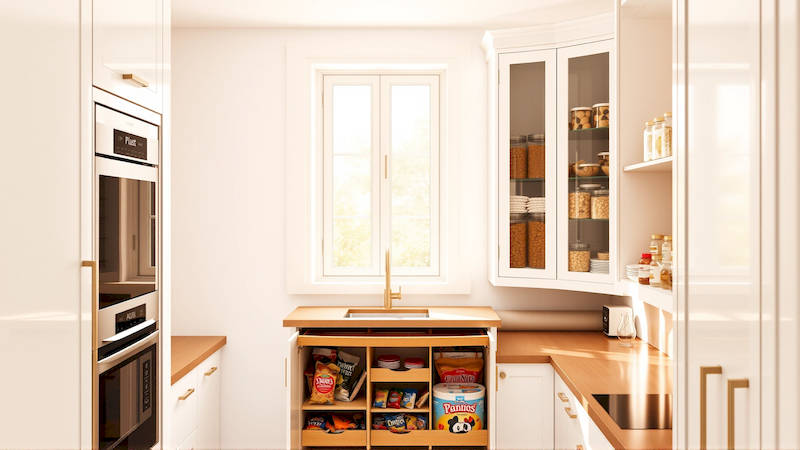
The daily battle over snacks is a familiar one for many parents. Between demands for sugary treats and the constant refrain of "I'm hungry!", maintaining healthy eating habits for children can feel like a full-time job. However, a surprisingly effective solution often lies within our own kitchens: a dedicated, kid-friendly snack station. More than just a convenient storage space, a well-designed snack station empowers children to make independent, healthy choices, reduces parental stress, and fosters a positive relationship with food. This isn’t simply about visual appeal; it's about setting up a system that supports both your nutritional goals and your child’s developing sense of autonomy.
Creating this dedicated space is an investment in your family’s wellbeing. Numerous studies demonstrate that children who have access to healthy snacks are more likely to maintain consistent energy levels, perform better in school, and develop lifelong healthy eating habits. According to a report by the American Academy of Pediatrics, consistent access to nutritious foods is a cornerstone of childhood development. But a successful snack station isn’t just about the snacks themselves, it's about the system surrounding them – accessibility, presentation, and age-appropriateness.
This article will provide a comprehensive guide to creating a kid-friendly snack station, covering everything from location and container choices to age-appropriate snack selections and strategies for maintaining order. We’ll move beyond the surface-level organization tips to explore how to build a system that encourages healthy eating habits and fosters independence in your children. Prepare to transform a portion of your pantry into a haven of healthy and accessible snacking for your little ones, and reclaim some peace of mind in the process.
Choosing the Right Location & Defining the Space
The location of your snack station is paramount. While some may be tempted to dedicate a whole pantry shelf, that isn’t always feasible or necessary. The ideal spot is easily accessible to your child without requiring them to climb or reach for dangerous items. Lower shelves in a pantry, a dedicated cabinet, or even a section of countertop (if space allows) are all viable options. The key is ensuring independence – your child should be able to reach, see, and access their snacks without constant adult assistance. Consider the flow of your kitchen. Is the pantry near where your children do homework or play? A convenient location encourages snacking when they actually need it.
Think carefully about boundaries. The snack station should be clearly defined as a specific area dedicated only to approved snacks. This prevents the creeping inclusion of less-healthy options and establishes clear expectations. Use visual cues like a designated color of bins or a specific shelf liner to delineate the space. Furthermore, consider the age and maturity of your child. For younger children, a smaller, more contained space is preferable to avoid overwhelming choices. As they grow and demonstrate responsibility, you can gradually expand the station's scope.
It's vital to assess the existing pantry organization before implementing a snack station. You might need to declutter and reorganize other items to create sufficient space. Don’t be afraid to get rid of expired foods or items that are rarely used. A clean, organized pantry sets the stage for a successful snack station and reinforces the importance of maintaining order. Remember that simplicity is key, particularly with younger children. Avoid overcrowding the space, which can lead to frustration and impulsive, unhealthy choices.
Selecting Age-Appropriate & Healthy Snack Options
Choosing the right snacks is arguably the most important step. Focus on nutrient-dense options that provide sustained energy and support growth and development. Think beyond pre-packaged convenience items and prioritize whole foods. Fruits (apples, bananas, berries), vegetables (carrot sticks, cucumber slices, bell pepper strips), whole-grain crackers, yogurt (Greek yogurt is a great protein source), cheese sticks, and nuts or seeds (for older children with no allergies) are excellent choices. Consider offering a variety of textures and flavors to keep things interesting and encourage children to try new things.
It’s also crucial to consider your child’s age and dietary needs. Toddlers and preschoolers require smaller, softer snacks to prevent choking hazards. Items like cut-up fruit, cooked vegetables, and yogurt are ideal. As children get older, you can gradually introduce more complex snacks like trail mix (with age-appropriate nut sizes) or whole-grain granola bars. Always be mindful of allergies and intolerances. Clearly label any snacks that contain common allergens, and ensure your child understands which snacks are safe for them to consume. A visual chart can be especially helpful for young children.
Don't forget portion control. Pre-portion snacks into individual containers or bags to help children manage their intake and avoid overeating. This also simplifies the process and encourages independence. Instead of providing a whole box of crackers, portion out a serving size into a small container. You can involve your child in the portioning process, turning it into a fun learning activity. Remember that occasional treats are perfectly acceptable; the goal is to create a balanced and healthy snacking habit.
Containerization: Clarity & Accessibility are Key
The containers you choose directly impact the functionality and appeal of your snack station. Clear, airtight containers are ideal, as they allow children to easily see what’s available and help keep snacks fresh. Avoid opaque containers, as they can lead to forgotten snacks and wasted food. Different sizes and shapes will accommodate varied snack types. Stackable containers maximize vertical space, while shallow, wide containers are perfect for grab-and-go items like fruit slices or crackers.
Labeling is vital, especially for younger children who are still learning to read. Use clear, picture-based labels to indicate the contents of each container. For example, a picture of an apple on a container indicates it holds apples. As your child gets older, you can transition to word-based labels. Consider using a label maker for a neat and professional look. If your child has dietary restrictions or allergies, clearly label those as well with a visual symbol (e.g., a peanut symbol for peanut-free snacks).
Invest in containers that are durable and easy for your child to open and close independently. This encourages self-sufficiency and prevents frustration. Consider containers with secure lids to prevent spills and messes, especially for snacks with smaller pieces. Bins and baskets can also be used to group similar snacks together, such as all the fruit snacks in one bin or all the crackers in another. This further simplifies the selection process and makes it easier for children to find what they’re looking for.
Establishing Rules & Expectations for Independence
A snack station isn't just about providing snacks; it's about teaching children responsibility and self-regulation. Clearly define the rules and expectations from the outset. These might include: only choosing snacks from the designated station, limiting the number of snacks per day, and cleaning up any spills or messes. Frame these rules not as restrictions, but as opportunities to practice independence and make healthy choices.
Involve your child in the creation of the rules to foster a sense of ownership and accountability. Ask them what they think would be a fair number of snacks to have each day, or how they can help keep the snack station tidy. Open communication and collaboration are key. You might create a visual chart with the rules listed, along with corresponding pictures. This is especially helpful for younger children who may not yet be able to read.
Consistency is crucial. Enforce the rules consistently, even when it’s inconvenient. This reinforces the expectations and helps your child understand the boundaries. Offer positive reinforcement when your child follows the rules and makes healthy choices. A simple “I noticed you chose a healthy snack today, that’s great!” can go a long way. However, avoid using snacks as rewards; this can create an unhealthy association between food and emotions. Remember that occasional inconsistencies are normal; the goal is to create a sustainable system that supports healthy snacking habits over the long term.
Maintenance & Re-evaluation: Keeping it Fresh & Functional
A snack station isn’t a “set it and forget it” solution. Regular maintenance is essential to keep it organized, sanitary, and appealing. Designate a specific time each week to restock snacks, wipe down containers, and declutter any expired items. This prevents the station from becoming overrun with stale or unwanted food. Involve your child in the maintenance process; this teaches them responsibility and reinforces the importance of cleanliness.
Periodically re-evaluate the snack station’s effectiveness. Are your children actually using it as intended? Are the snacks being consumed? Are there any items that consistently go uneaten? Use this feedback to adjust your selections and refine the system. You might discover that your child prefers certain snacks over others, or that the container arrangement isn't optimal. Don’t be afraid to experiment and make changes until you find a setup that works best for your family.
Consider seasonal adjustments. Swap out snacks to reflect the changing seasons and take advantage of fresh, seasonal produce. For example, offer apples and pears in the fall, and berries and melons in the summer. This keeps the snack station interesting and provides a variety of nutrients throughout the year. A well-maintained and regularly re-evaluated snack station will continue to benefit your family for years to come.
In conclusion, creating a kid-friendly snack station in your pantry is more than just an organizational project; it’s an investment in your family’s health and wellbeing. By carefully considering location, snack choices, containerization, rules, and maintenance, you can empower your children to make independent, healthy choices, reduce parental stress, and foster a positive relationship with food. Remember to prioritize accessibility, age-appropriateness, and clarity. This isn't about perfection; it's about progress. Start small, be consistent, and involve your children in the process. The rewards – a healthier, happier family and a more peaceful snack time – are well worth the effort. Take the first step today, and transform your pantry into a haven of healthy snacking for your little ones.
Deja una respuesta