
Organizing Canned Goods by Expiration Date and Type
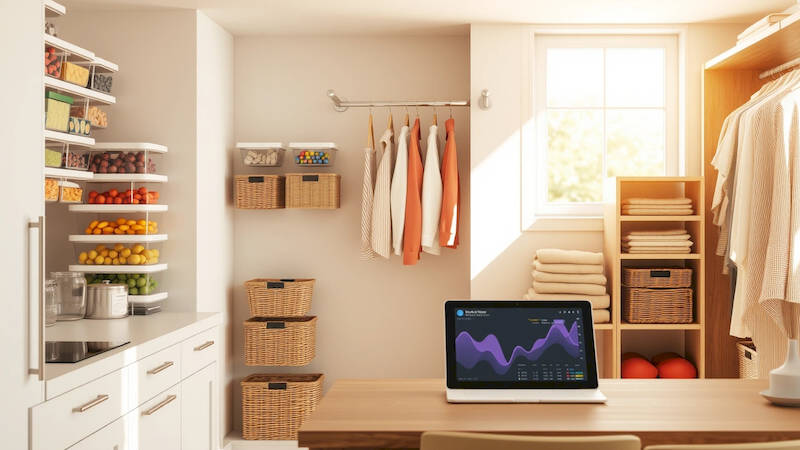
The kitchen pantry. For many, it’s a chaotic battlefield of mismatched containers, forgotten ingredients, and a lingering sense of overwhelm. Amongst the clutter, canned goods often take center stage – a reliable, shelf-stable staple yet surprisingly difficult to manage effectively. Beyond simply stacking cans, a truly organized canned good system saves money, reduces food waste, and simplifies meal planning. The sheer volume of canned goods many households accumulate necessitates a thoughtful approach, moving beyond basic stacking to a strategy that prioritizes expiration dates and categorizes by usage. This guide will delve into the intricacies of organizing your canned food collection, transforming your pantry from a source of stress into a haven of culinary efficiency. Ignoring this organization can lead to using expired goods, buying duplicates of items you already have, and ultimately, wasting food and money.
In today's fast-paced world, maximizing efficiency in the kitchen is paramount. Studies show that the average household wastes approximately 30-40% of its food supply, a significant portion of which stems from forgotten or expired items lurking in the pantry. A well-organized system isn’t just about aesthetics; it’s about responsible consumption and mindful home management. Proper organization allows you to quickly assess what you have, utilize ingredients before they expire, and minimize redundant purchases. Moreover, a streamlined pantry enhances the cooking experience, making meal preparation less daunting and more enjoyable. This article provides a detailed, step-by-step approach to tackling the canned good conundrum, offering actionable strategies for any size pantry.
- The Initial Purge: Assessing Your Canned Good Inventory
- Implementing the FIFO Method: First In, First Out
- Categorization & Labeling: Establishing a Functional System
- Optimizing Space: Utilizing Vertical Storage & Accessories
- Maintaining the System: Regular Check-Ups & Restocking Habits
- Beyond the Basics: Adapting to Specific Pantry Configurations
- Conclusion: A Pantry Transformed – Efficiency, Savings & Peace of Mind
The Initial Purge: Assessing Your Canned Good Inventory
Before embarking on any organizational project, a thorough decluttering phase is crucial. This isn't merely about tidying up; it's about taking stock of what you truly have, identifying what needs to be used, and discarding anything beyond its prime. Begin by completely emptying your pantry shelves devoted to canned goods. Resist the urge to simply rearrange – fully remove everything to get a clear view of the volume and variety you’re dealing with. As you remove each can, carefully scrutinize the expiration date. While some canned goods remain safe to eat past their "best by" date, quality degrades, and relying on these dates is a good practice for maximizing flavor and nutritional value.
Discard any cans that are damaged – bulging, dented, or rusted – as these can indicate spoilage and pose a health risk. "A dent isn't necessarily a cause for alarm, but a bulging can indicates gas production, which could be from bacterial growth and is a definite sign to discard," explains Dr. Meredith Carothers, a food safety expert with the USDA. After removing expired or damaged items, group the remaining cans by type (vegetables, fruits, soups, proteins, etc.). This initial sorting lays the foundation for a more strategic organization system. Don’t underestimate the psychological impact of this purge; shedding excess not only creates physical space but fosters a sense of control and calm.
Implementing the FIFO Method: First In, First Out
The cornerstone of any effective canned good organization system is the "First In, First Out" (FIFO) method. This straightforward principle, borrowed from inventory management practices, ensures that the oldest cans are always at the front and are used first. This minimizes the risk of expiration and reduces food waste. After sorting your cans by type, within each category, arrange them with the cans having the earliest expiration dates at the front of the shelf. When adding new cans to your collection, always place them behind the existing stock.
There are several practical ways to implement FIFO. Rotating can organizers, tiered shelving units, or even simple can racks can facilitate easy access to older cans. A labeled system, as discussed in the next section, is vital for quickly identifying expiration dates without constantly shifting cans. Remember, consistency is key. Make it a habit to adhere to the FIFO principle every time you restock your pantry, and you’ll witness a marked reduction in wasted food and a more streamlined cooking process. Consider this a preventative measure—a small effort now that provides substantial long-term benefits.
Categorization & Labeling: Establishing a Functional System
While FIFO manages expiration dates, effective categorization makes finding specific items effortless. Group canned goods not only by type (vegetables, fruits, tomatoes, beans, meats, etc.) but also by usage. For example, within the "vegetables" category, you might separate “dinner vegetables” (corn, green beans) from "soup/stew vegetables" (diced tomatoes, carrots). This granular approach caters to your cooking habits and streamlines meal planning.
Clear labeling is the crucial companion to categorization. Use a label maker, pre-printed labels, or even handwritten tags to clearly identify the contents of each can and, crucially, its expiration date. Stick the label on the top of the can for easy visibility. Consider color-coding labels by category for an added visual cue. For instance, blue labels for vegetables, green for fruits, and red for proteins. This visual system allows you to quickly locate items at a glance, reducing the time spent rummaging through the pantry and making frantic ingredient searches a thing of the past. Investing in a good labeling system may seem minor, but it dramatically improves the convenience and efficiency of your pantry.
Optimizing Space: Utilizing Vertical Storage & Accessories
Pantry space is often at a premium. Maximizing vertical space is crucial. Adjustable shelving units offer flexibility, allowing you to configure shelves to accommodate the height of your canned goods. Tiered can racks – those stepped organizers that allow you to see cans at a glance – are an excellent investment. They leverage vertical space and ensure FIFO is naturally implemented, as older cans are easily accessible at the front.
Don't overlook the potential of the pantry door. Over-the-door organizers with mesh pockets can house smaller canned goods like tuna or tomato paste. These organizers are particularly practical for smaller pantries. Another effective approach is to consolidate partially used cans. Transfer the remaining contents into airtight containers labeled with the original product and expiration date. This frees up space and prevents the can from rusting or deteriorating further. Remember, thoughtful space optimization isn’t just about fitting more in; it's about making what you have easily accessible and visible.
Maintaining the System: Regular Check-Ups & Restocking Habits
An organized pantry isn’t a one-time achievement; it’s an ongoing process. Schedule regular "pantry checks" – ideally once a month – to reassess your stock, rotate cans according to the FIFO method, and discard anything expired or damaged. Use these checks as an opportunity to update your inventory list, which can be a simple notepad or a digital spreadsheet. This list is invaluable for meal planning and preventing duplicate purchases.
When restocking, resist the temptation to simply shove new cans wherever they fit. Implement the FIFO method diligently – always place newer cans behind the older ones. Consider using your inventory list to identify items you're running low on and create a targeted shopping list. This mindful approach to restocking prevents impulse buys and ensures you're only purchasing what you need. Habits create order, and consistent pantry maintenance keeps your system functioning smoothly for the long term.
Beyond the Basics: Adapting to Specific Pantry Configurations
Not all pantries are created equal. Deep pantries may benefit from pull-out shelves to access cans at the back, while walk-in pantries can accommodate larger, freestanding can organizers. For shallow pantries, tiered shelving units are essential for maximizing vertical space. If you have limited shelving, consider using clear plastic bins to group cans by type.
For those with unconventional storage spaces – under-sink cabinets, for example – utilize can organizers designed specifically for these areas. The key is to adapt the principles outlined above to your unique pantry configuration. Don’t be afraid to experiment with different organizational tools and techniques until you find a system that works best for your needs and space constraints. A little creativity and customization can transform even the most challenging pantry into an efficient and enjoyable space.
Conclusion: A Pantry Transformed – Efficiency, Savings & Peace of Mind
Organizing canned goods by expiration date and type transcends simple tidiness; it's a proactive approach to household management, food waste reduction, and financial savings. By embracing the FIFO method, implementing a strategic categorization system, and maximizing your pantry space, you can transform a chaotic storage area into a functional and efficient culinary hub. Regular maintenance and mindful restocking habits are essential for sustaining this transformation.
Remember, the initial investment of time and effort will pay dividends in the long run. A well-organized pantry streamlines meal preparation, minimizes food waste (saving you money), and brings a sense of calm and control to your kitchen. Start with the initial purge, commit to FIFO, label diligently, and adapt your approach to your specific pantry configuration. The result? A pantry that not only looks good but also works for you, simplifying your life and savoring the bounty of your well-stocked kitchen. Don't delay; begin your pantry transformation today and experience the benefits of a truly organized canned good collection.
Deja una respuesta