
Planning an Outdoor Dining Area with Weather-Resistant Accessories
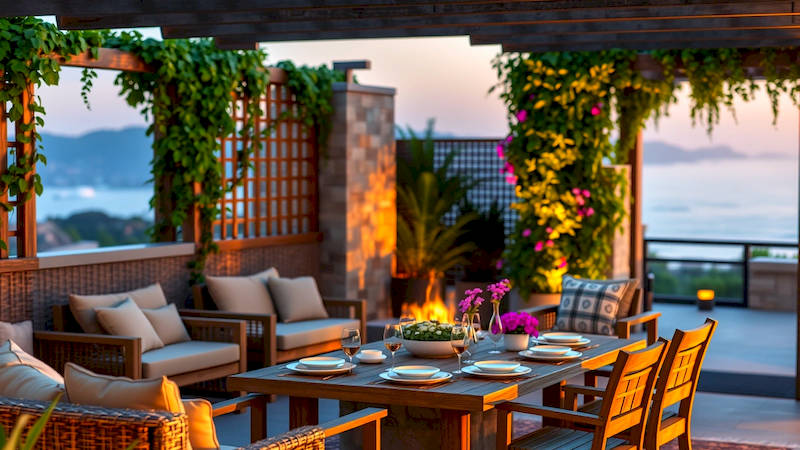
The allure of dining al fresco is undeniable. There's something inherently relaxing and convivial about enjoying a meal outdoors, surrounded by fresh air and natural light. Outdoor dining spaces have surged in popularity, with a 2023 Houzz survey revealing that 73% of homeowners planned to renovate or decorate their outdoor spaces, and dining areas were a key component of those projects. However, the often-unpredictable nature of the weather can quickly turn a delightful experience into a frustrating one. This is where careful planning and the selection of weather-resistant accessories become paramount. Creating a comfortable and functional outdoor dining area isn’t just about aesthetics; it’s about investing in long-term enjoyment and maximizing your outdoor living potential, regardless of the elements.
Beyond simply picking a pretty patio set, a truly successful outdoor dining area considers location, layout, protection from the sun and rain, and of course, durable materials that can withstand the challenges of seasonal changes. It’s about creating a seamless extension of your indoor living space, offering the same comfort and style, but with the added benefit of being immersed in nature. Failure to adequately address weather resistance can lead to faded furniture, damaged fabrics, and ultimately, a space that is underutilized and detracts from your property’s overall appeal.
This guide will offer a comprehensive walkthrough of planning an outdoor dining area, with a strong emphasis on choosing accessories and materials designed to withstand the elements, ensuring your outdoor dining space remains a beautiful and functional haven for years to come. From selecting the right furniture materials to implementing protective measures, we’ll cover everything you need to know to create a space that’s ready for whatever Mother Nature throws its way.
- Defining Your Space and Layout Considerations
- Selecting Weather-Resistant Furniture Materials
- Providing Shade and Sun Protection
- Weatherproofing Soft Goods: Cushions, Tablecloths, and Rugs
- Incorporating Protective Elements: Screens and Covers
- Lighting and Ambiance for Extended Enjoyment
- Conclusion: Creating a Lasting Outdoor Dining Retreat
Defining Your Space and Layout Considerations
The first step is to carefully evaluate your outdoor space and determine the ideal location for your dining area. Consider factors like sun exposure, wind patterns, and proximity to the house. Ideally, you want a location that receives some shade during the hottest part of the day, but isn't perpetually dark. The direction of prevailing winds should also be taken into account; a sheltered spot will be much more comfortable than one constantly buffeted by gusts. Proximity to the kitchen is crucial for convenience – frequent trips indoors should be minimized.
Once a location is selected, consider the size and shape of the space and how it will influence the layout. Measure the area accurately and sketch out potential arrangements. Think about how many people you typically entertain and choose a dining set that comfortably accommodates that number. Allow for ample space around the table and chairs for easy movement – a cramped space will feel uncomfortable and detract from the dining experience. Accessibility is also important; consider pathways and ensure they are clear of obstacles. This initial planning phase lays the groundwork for a functional and inviting outdoor dining experience.
Remember to consider the flow from other outdoor areas. Does it naturally connect to a seating area, a grilling station, or a garden? A cohesive design will make your outdoor space feel more integrated and intentional. A good exercise is to “walk” the space mentally, imagining yourself moving from the house to the dining area and back, identifying potential pain points or areas that need improvement before you begin setting up furniture.
Selecting Weather-Resistant Furniture Materials
The foundation of any outdoor dining area is the furniture itself. Unlike indoor pieces, outdoor furniture faces constant exposure to sun, rain, humidity, and temperature fluctuations. Choosing the right materials is therefore critical. Teak is often considered the gold standard – naturally oily, it’s highly resistant to rot, decay, and insect infestation. While a higher initial investment, teak furniture can last for decades with minimal maintenance. However, it will weather to a silver-gray patina unless regularly oiled.
Aluminum furniture is another excellent option, being lightweight, rustproof, and relatively inexpensive. Powder-coated aluminum provides even greater durability and resistance to chipping and scratching. Wicker furniture, particularly that made from synthetic resins like HDPE (high-density polyethylene) or PVC, is also a popular choice. These synthetic materials are designed to mimic the look of natural wicker, but are far more durable and weather-resistant. Avoid natural wicker, as it’s susceptible to mold and mildew. “According to the American Society for Testing and Materials (ASTM), HDPE resin provides superior UV resistance compared to other plastic materials frequently used in outdoor furniture,” highlights interior designer, Sarah Jensen, in a recent article for Outdoor Living Today. Finally, consider furniture with quick-drying cushions made from solution-dyed acrylic fabrics, which resist fading, staining, and mildew.
Providing Shade and Sun Protection
Direct sunlight can quickly make an outdoor dining area uncomfortable, even on a pleasant day. Providing shade is therefore essential. Options range from permanent structures like pergolas and pavilions to more portable solutions like umbrellas and shade sails. Pergolas can be covered with climbing plants like wisteria or grapevines for a natural and aesthetically pleasing shade source. Pavilions offer more complete protection from both sun and rain but require a more substantial investment.
Patio umbrellas are a cost-effective and versatile option, but it's important to choose one with a sturdy frame and UV-resistant fabric. Cantilever umbrellas, which have the pole offset to the side, offer greater flexibility in placement. Shade sails are another creative solution, offering a modern and stylish look. When selecting shade solutions, consider the path of the sun throughout the day and position the shade accordingly. It’s not enough to just provide shade during peak hours; plan for how the sun’s position will change.
Don’t underestimate the power of strategic landscaping. Trees and shrubs can provide natural shade and also help to break up harsh winds. Carefully selected planting can create a comfortable microclimate around your dining area, making it more enjoyable to use.
Weatherproofing Soft Goods: Cushions, Tablecloths, and Rugs
Even with durable furniture, soft goods like cushions, tablecloths, and rugs can be vulnerable to the elements. When choosing cushions, opt for those filled with quick-drying foam and covered in solution-dyed acrylic fabrics, as previously mentioned. These fabrics are designed to resist fading, staining, and mildew, and they’re easy to clean. Avoid cotton or other natural fibers, which absorb water and can take a long time to dry.
For tablecloths, consider using vinyl or outdoor-specific fabrics instead of traditional linens. These materials are waterproof and easy to wipe clean. If you prefer the look of linen, consider a water-resistant tablecloth protector underneath. Outdoor rugs should also be made from weather-resistant materials like polypropylene or recycled plastic. These rugs are designed to withstand moisture and UV exposure without fading or mildewing.
Regular maintenance is key. Cushions and rugs should be stored indoors or covered with waterproof covers when not in use. Tablecloths should be washed and dried promptly after spills. Implementing a routine cleaning schedule will help to prolong the life of your soft goods and keep your dining area looking its best.
Incorporating Protective Elements: Screens and Covers
For maximum protection, consider incorporating additional protective elements. Wind screens, made from materials like acrylic or polycarbonate, can shield your dining area from harsh winds, creating a more comfortable environment. Privacy screens can also offer protection from the elements while providing a sense of enclosure. Retractable awnings are another versatile option, offering adjustable shade and protection from light rain.
Furniture covers are an excellent investment, particularly if you live in an area with harsh winters or frequent storms. They protect your furniture from rain, snow, dust, and UV damage. Choose covers that are specifically designed for outdoor furniture and made from waterproof and breathable materials. Avoid using plastic tarps, as they can trap moisture and lead to mildew growth. A well-maintained cover will significantly extend the lifespan of your outdoor furniture.
Lighting and Ambiance for Extended Enjoyment
Don't forget about lighting! Extending the usability of your outdoor dining area into the evening requires thoughtful lighting. String lights, lanterns, and pathway lighting can create a warm and inviting ambiance. Consider solar-powered options for an energy-efficient and eco-friendly solution. Ensure any electrical connections are weatherproof and installed by a qualified professional.
Beyond lighting, focus on creating a comfortable and inviting atmosphere. Add potted plants, candles, or a small water feature to enhance the ambiance. A portable outdoor heater can extend the dining season into cooler months. Ultimately, the goal is to create a space that you and your guests will enjoy spending time in, regardless of the weather.
Conclusion: Creating a Lasting Outdoor Dining Retreat
Planning an outdoor dining area with weather-resistant accessories is an investment in lifestyle and enjoyment. It's about moving beyond simply placing furniture outdoors and thoughtfully designing a space that can withstand the elements while providing comfort and style. Prioritizing durable materials like teak or powder-coated aluminum, providing ample shade with pergolas or umbrellas, and protecting soft goods with appropriate fabrics and covers are crucial steps.
Remember that the initial cost of weather-resistant materials is often offset by the long-term savings of reduced maintenance and replacement costs. By carefully considering location, layout, and incorporating protective elements, you can create an outdoor dining area that will be a beloved gathering place for years to come. Don't be afraid to personalize the space with lighting, plants, and décor to create an ambiance that reflects your individual style— a beautifully designed, weather-resistant outdoor dining space is a true extension of your home and a testament to thoughtful planning. Your next step? Start sketching your design and sourcing those durable materials!
Deja una respuesta