Utilizing Labeling Systems to Maintain Entryway Organization with Kids
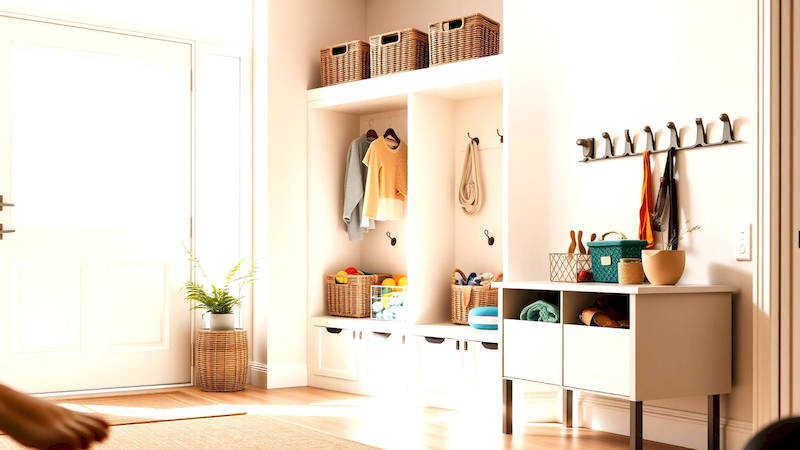
The entryway and mudroom – often the first and last spaces encountered each day – are notorious for becoming dumping grounds. With kids in the mix, the challenge intensifies exponentially. Backpacks, shoes, coats, sports equipment, artwork…the list goes on. A perpetually disorganized entryway doesn't just cause daily stress; it can disrupt morning routines, contribute to feelings of overwhelm, and even impact a child’s ability to develop responsibility. But the good news is, creating a functional and maintained entryway organization system with kids isn't about achieving spotless perfection, it's about establishing clear expectations and employing effective tools, and the cornerstone of success is a robust labeling system.
Instead of battling the entropy daily, a thoughtfully designed and consistently supported organization setup, bolstered by clear labeling, can transform this high-traffic zone into a haven of (relative!) calm. This isn’t simply about aesthetics; it's about creating a system that empowers children to participate in maintaining order, fostering independence and reducing the mental load for parents. A well-labeled space visually cues everyone in the family where items belong, making it easier to put things away and less likely they’ll end up in a chaotic pile. Consider it preventative organization – setting the stage for success before the mess even happens.
This article will delve into the art and science of utilizing labeling systems to achieve and sustain entryway organization, specifically tailored for families with children. We’ll explore different labeling methods, strategies for making labeling kid-friendly, how to adapt systems as children grow, and troubleshooting common pitfalls. The goal is to provide you with the knowledge and practical steps to reclaim your entryway and establish a lasting organizational foundation.
- The Psychology of Labeling: Why It Works with Kids (and Adults!)
- Choosing the Right Labeling Method: Options for Every Family
- Making Labeling Kid-Friendly: Involvement & Accessibility
- Adapting Labels as Kids Grow: From Pictures to Words & Beyond
- Troubleshooting Common Labeling Challenges: Resistance & Maintenance
- Beyond the Basics: Creative Labeling Ideas for Added Functionality
- Conclusion: Reclaiming Your Entryway, One Label at a Time
The Psychology of Labeling: Why It Works with Kids (and Adults!)
Labeling isn't merely about adding words to containers; it taps into fundamental principles of cognitive psychology. Humans, especially children, thrive on predictability and clear visual cues. A labeled space reduces ambiguity, making it instantly apparent where an item belongs. This is particularly critical with younger children who are still developing organizational skills and rely heavily on external prompts. Think of it like a visual instruction manual – instead of repeatedly telling a child to “put your shoes here,” the label serves as a constant reminder, encouraging independent action. A study by the National Association of Professional Organizers (NAPO) found that homes with consistent labeling systems reported a 25% decrease in clutter-related stress.
Beyond clarity, labeling fosters a sense of ownership and responsibility. When children are involved in the labeling process – even if it’s just choosing a picture label – they’re more likely to take pride in maintaining the system. This sense of ownership is crucial for long-term success. It's also important to remember that labeling aids adults, too! In the rush of daily life, even we can forget where things go. Clear labels save time and mental energy, preventing frustrating searches and reducing the temptation to simply add to the piles. This is especially true in a shared family space where multiple people are using and accessing items.
Finally, labeling helps reinforce routines. When an item's place is clearly defined, putting it away becomes a habitual action. Consistent repetition solidifies the habit, making organization less of a chore and more of an automatic behavior. Creating organizational habits during childhood lays the foundation for lifelong skills - a powerful benefit beyond simply a tidy entryway.
Choosing the Right Labeling Method: Options for Every Family
The “right” labeling method depends on several factors: your children’s ages and reading abilities, your aesthetic preferences, and the overall style of your entryway. There’s a vast range of options available, from simple handwritten labels to sophisticated electronic systems. One extremely popular method is using a label maker – models like the Brother P-Touch Cube offer a variety of fonts, symbols, and tape colors allowing you to create durable, professional-looking labels quickly. These are particularly useful when you want uniformity, and the tape is reasonably resistant to moisture and wear.
Alternatively, chalkboard labels offer a charming, rustic aesthetic and allow for easy adjustments. You can easily rewrite labels as needs change. For very young children or those who aren’t yet reading, picture labels are an excellent choice. You can find pre-made picture labels online or create your own by printing images and adhering them to containers. Consider using clear plastic bins and baskets paired with picture labels for a visually appealing and easily understood system. Another creative and budget-friendly option involves using decorative tags and string. These can be tied around baskets or hung from hooks, adding a personalized touch. Whatever method you choose, consistency is key. Stick to a single style throughout the entryway to create a cohesive and functional system.
Making Labeling Kid-Friendly: Involvement & Accessibility
Simply having labels isn’t enough. To truly reap the benefits, you need to actively involve your children in the process. Start by having a family meeting to discuss the goals of the organization system. Explain why it’s important to have a designated place for everything and how labeling will help achieve that. Then, let your children participate in choosing labels (or creating them, if they’re old enough).
Accessibility is also crucial. Labels should be positioned at your children’s eye level so they can easily see what goes where. If using bins or baskets on high shelves, consider creating a step stool or designating a “helper” system where older children assist younger siblings. Regularly review the labels with your children, especially when implementing the system initially. Turn it into a game: "Let’s find the label for your backpack!" Reinforce positive behavior by praising their efforts to put things away correctly. Remember that consistency and positive reinforcement are far more effective than scolding or nagging.
Adapting Labels as Kids Grow: From Pictures to Words & Beyond
A labeling system isn't a static entity; it needs to evolve as your children grow and their needs change. As children learn to read, transition from picture labels to word labels. This is a great opportunity to reinforce literacy skills. Gradually introduce more complex labeling – for example, instead of just “Toys,” you might use “Lego” or “Building Blocks.”
As children enter different phases of development, the items they own and the organization challenges they face will also change. A label for "soccer cleats" might become unnecessary when they switch sports. Regularly reassess your labeling system and make adjustments accordingly. Encourage older children to take ownership of their own labeling. They can create labels for their personal belongings, reinforcing their sense of responsibility. This also provides a valuable learning experience in organization and time management. Don't be afraid to experiment with different labeling methods as your needs evolve.
Troubleshooting Common Labeling Challenges: Resistance & Maintenance
Even with the best intentions, you’re likely to encounter some resistance along the way. Children may initially resist using the system, especially if they’re used to a more chaotic environment. Address this resistance with patience and understanding. Avoid power struggles and focus on the benefits of the system. Emphasize how it will make their lives easier – for example, "Knowing where your shoes are will save you time in the morning!"
Maintenance is another key challenge. Labels can fall off, bins can get moved, and the system can gradually fall into disarray. Schedule regular “reset” sessions – perhaps once a week – to tidy up the entryway, reapply labels, and reinforce expectations. Enlist your children’s help in these reset sessions. Make it a family effort. Consider creating a "label check" as part of your weekly chore chart to ensure ongoing upkeep. Finally, remember that perfection is not the goal. A little bit of clutter is inevitable, especially with kids. Focus on maintaining the overall system, celebrating successes, and making adjustments as needed.
Beyond the Basics: Creative Labeling Ideas for Added Functionality
Think beyond simply identifying contents. Leverage labeling for more complex organization. Use color-coded labels to assign each family member a specific color. All items belonging to that person will have the corresponding label, making it easy to sort and put things away. Implement a “donation” or “outgrown” bin with a clear label – regularly reviewing this bin encourages decluttering. Utilize labels to designate specific days or events. For example, a labeled basket for “Friday field trip items" keeps everything consolidated and ready to go.
Consider using labels on hooks as well – "Mom’s Coat," "Jack's Backpack," etc. This is particularly effective for younger children who may not be able to reach higher shelves. Don't underestimate the power of a personalized touch. Create fun and engaging labels that reflect your family's personality. This will make the system more visually appealing and encourage children to participate.
Conclusion: Reclaiming Your Entryway, One Label at a Time
Creating a functional and sustainable entryway organization system with kids requires a proactive approach, a commitment to consistency, and the powerful tool of labeling. It's not about achieving a magazine-worthy space, but about creating a system that reduces stress, promotes independence, and simplifies daily life. Remember, labeling isn’t just about identifying containers; it’s about creating visual cues, fostering ownership, and reinforcing routines.
Key takeaways include actively involving children in the labeling process, choosing a labeling method that suits your family’s needs, adapting labels as children grow, and prioritizing regular maintenance. Don't be discouraged by initial resistance; stick with it, celebrate small victories, and remember that the benefits – a calmer home and more organized lives – are well worth the effort. Start small, focus on one area at a time, and commit to making labeling a core component of your entryway organization strategy. Your family will thank you for it.
Deja una respuesta