
How to Remove Hard Water Stains from Kitchen Faucets and Fixtures
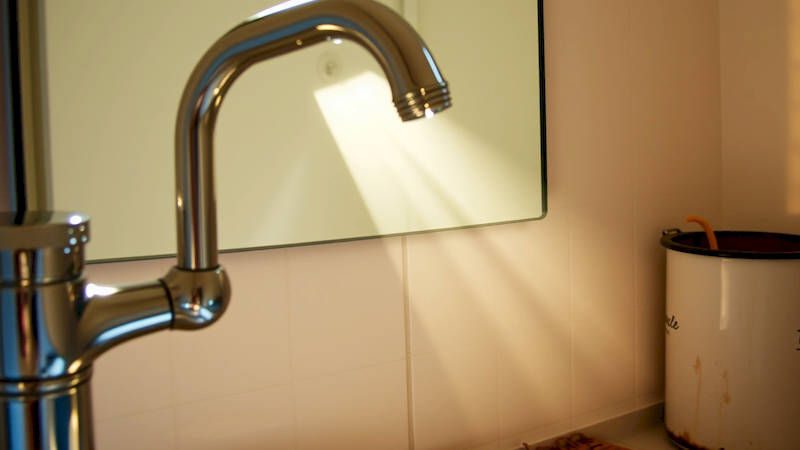
Hard water stains – those unsightly, chalky white deposits that build up on kitchen faucets, sinks, and appliances – are a common nuisance for homeowners. While seemingly harmless, these stains aren’t just aesthetically displeasing. They can also reduce the efficiency of your fixtures, harbor bacteria, and even contribute to a less sanitary kitchen environment. Understanding the source of these stains, and knowing how to effectively remove and prevent them is crucial for maintaining a sparkling clean and functional kitchen. This article will delve into the science behind hard water stains, explore the most effective cleaning methods, from gentle everyday solutions to tackling stubborn build-up, and provide preventative measures to keep your kitchen fixtures looking their best.
The presence of hard water stems from high mineral content, primarily calcium and magnesium, often picked up as water travels through limestone or chalk formations. While these minerals aren’t necessarily harmful to ingest, they leave behind residue when the water evaporates. This residue manifests as the frustrating white film we recognize as hard water stains. Beyond the visual impact, prolonged accumulation can decrease water flow through faucets, reduce the heating efficiency of appliances like dishwashers, and even shorten their lifespan. Regularly addressing these stains isn't merely about aesthetics; it’s about protecting your investment and maintaining a healthier home.
This guide aims to be a comprehensive resource for tackling hard water stains, acknowledging that different materials and levels of build-up require varying approaches. We’ll move beyond simple DIY solutions and examine techniques suitable for everything from chrome and stainless steel to more delicate surfaces like porcelain and natural stone. Armed with the knowledge presented here, you can confidently address this common cleaning challenge and restore the shine to your kitchen fixtures.
- Understanding the Science Behind Hard Water and Its Stains
- Vinegar: The All-Natural Powerhouse
- Lemon Juice: A Fragrant Alternative to Vinegar
- Commercial Descalers: Addressing Stubborn Build-Up
- Prevention: Protecting Your Investment
- Addressing Specific Fixture Materials
- Conclusion: A Sparkling Kitchen Within Reach
Understanding the Science Behind Hard Water and Its Stains
Hard water is classified as either temporarily hard or permanently hard, based on the type of minerals present. Temporarily hard water contains calcium bicarbonate, which can be removed by boiling. Permanently hard water contains calcium sulfate and magnesium chloride, which don’t precipitate with boiling. The higher the concentration of these minerals, the "harder" the water. This hardness is typically measured in grains per gallon (gpg), with 0-3 gpg being considered soft, 3-7 gpg moderately hard, 7-10 gpg hard, and over 10 gpg very hard. The U.S. Geological Survey estimates that around 85% of the United States has hard water, so this isn’t a geographically isolated problem.
When hard water evaporates, it leaves behind those familiar calcium and magnesium deposits. These minerals form a crystalline structure that adheres to surfaces. Over time, these deposits layer upon each other, creating increasingly prominent and difficult-to-remove stains. The rate at which these stains accumulate depends on the hardness of your water, the humidity of your environment, and the frequency of water exposure. Areas with high humidity naturally see faster accumulation. Furthermore, soap interacts with the minerals, forming a sticky residue known as soap scum, which exacerbates the problem and makes cleaning even more challenging.
Understanding this chemical process is vital because it informs the best cleaning strategies. Simply wiping away the stains won’t suffice; you need to dissolve the mineral deposits. This is why acidic solutions – like vinegar, lemon juice, or commercially available descalers – are so effective. These acids react with the calcium and magnesium, breaking them down and allowing them to be rinsed away. However, it’s also essential to recognize that some materials are sensitive to acids, requiring gentler approaches.
Vinegar: The All-Natural Powerhouse
White vinegar, a readily available and inexpensive household staple, is often the first line of defense against hard water stains. Its acetic acid content effectively dissolves mineral deposits without being overly abrasive. For light to moderate stains on chrome, stainless steel, and porcelain, vinegar is a highly effective solution. But, never use vinegar on natural stone materials like marble or granite as it can etch and damage the surface.
To employ vinegar effectively, begin by soaking a cloth or paper towel in undiluted white vinegar. Then, apply it to the affected area, ensuring it’s fully saturated. Allow the vinegar to sit for at least 15-30 minutes, or even longer for stubborn stains – up to several hours. Keeping the surface constantly saturated during this time is crucial. After soaking, use a soft sponge or cloth (avoid abrasive scrubbers) to gently scrub the area. Finally, rinse thoroughly with clean water and dry with a soft towel to prevent new spots. For difficult-to-reach areas, like around faucet bases, consider using an old toothbrush dipped in vinegar.
A particularly effective method for faucets is the “vinegar soak.” Fill a plastic bag with white vinegar and secure it around the faucet head, ensuring the entire head is submerged. Leave it overnight, then remove the bag and thoroughly rinse. This method works wonders for dissolving stubborn build-up inside the faucet aerator as well. It's crucial to remember that while vinegar is natural, it's still an acid and should be kept away from sensitive materials and thoroughly rinsed after use.
Lemon Juice: A Fragrant Alternative to Vinegar
Lemon juice, another naturally occurring acid, provides a similar cleaning power to vinegar with a more pleasant scent. Its citric acid effectively breaks down mineral deposits and can be a great alternative for those sensitive to the smell of vinegar. Like vinegar, lemon juice should not be used on natural stone surfaces.
The application process for lemon juice is very similar to vinegar. Simply apply freshly squeezed lemon juice (bottled juice may contain additives that reduce its effectiveness) to the stained area, let it sit for 15-30 minutes, and gently scrub with a soft cloth or sponge. A paste made from lemon juice and baking soda can provide a slightly more abrasive cleaning action for tougher stains. However, use this paste cautiously and test it in an inconspicuous area first. Lemon juice's fragrant quality makes it a preferred choice for some, enhancing the cleaning experience alongside its efficacy.
It’s important to note that lemon juice, like vinegar, can have a bleaching effect, so avoid using it on colored surfaces where discoloration is a concern. While less potent than vinegar, lemon juice can be surprisingly effective, particularly on lighter deposits and in areas where a fresh scent is desired.
Commercial Descalers: Addressing Stubborn Build-Up
When vinegar and lemon juice fail to deliver the desired results, commercial descalers are the next step. These products are specifically formulated to dissolve hard water stains and typically contain stronger acids than natural alternatives. However, it’s paramount to use these products with caution, following the manufacturer’s instructions meticulously. Always wear gloves and eye protection when handling descalers.
There are many different types of commercial descalers available, ranging from liquid sprays to gels. Some are designed for specific materials, such as chrome or stainless steel, while others are more general purpose. When choosing a descaler, prioritize those that are non-abrasive to avoid scratching delicate surfaces. Before applying the descaler to the entire affected area, test it on a small, inconspicuous spot to ensure it doesn't cause discoloration or damage. Never mix different cleaning products, particularly descalers with bleach, as this can create dangerous fumes.
For extremely stubborn stains, a multi-step approach may be necessary. Begin by applying the descaler and allowing it to sit for the recommended time. Then, gently scrub with a soft brush or sponge. If the stain persists, repeat the process. After removing the stain, thoroughly rinse the area with clean water to remove all traces of the descaler.
Prevention: Protecting Your Investment
Removing hard water stains is one thing, but preventing them from forming in the first place is undeniably more efficient. Several preventative measures can significantly reduce the frequency and severity of stains. One of the most effective is regularly wiping down faucets and fixtures with a clean, dry cloth after each use. This simple habit removes water droplets before they have a chance to evaporate and leave behind mineral deposits.
Another effective tactic is to install a water softener. Water softeners remove calcium and magnesium ions from the water supply, preventing the formation of hard water stains altogether. While an initial investment, a water softener can protect all your appliances and plumbing from the damaging effects of hard water, resulting in long-term savings. In situations where a whole-house water softener isn't feasible, consider using a faucet filter specifically designed to reduce mineral content.
Finally, consider applying a protective sealant to your fixtures. These sealants create a barrier between the surface and the water, preventing mineral deposits from adhering. Ensure the sealant is compatible with the material of your fixtures. By incorporating these preventative measures into your cleaning routine, you can dramatically reduce the hassle of dealing with hard water stains and keep your kitchen sparkling clean.
Addressing Specific Fixture Materials
Different fixture materials require different approaches to cleaning. Chrome and stainless steel are generally durable and can withstand vinegar, lemon juice, and most commercial descalers. However, avoid abrasive scrubbers that can scratch the surface. Porcelain is also relatively durable but can be chipped or cracked, so use gentle cleaning methods. Natural stone, like marble and granite, is extremely sensitive to acids and should only be cleaned with pH-neutral cleaners specifically designed for stone surfaces. Avoid vinegar, lemon juice, and abrasive cleaners altogether.
For fixtures with intricate details or hard-to-reach areas, consider using a detailing brush or a cotton swab dipped in your chosen cleaning solution. This allows for precise application and effective cleaning in those challenging spots. Always test any cleaning solution in an inconspicuous area first, regardless of the material, to ensure it doesn’t cause damage or discoloration. Taking these material-specific precautions will ensure you’re cleaning effectively and safely, preserving the beauty and longevity of your kitchen fixtures.
Conclusion: A Sparkling Kitchen Within Reach
Removing hard water stains from kitchen faucets and fixtures doesn't have to be a daunting task. By understanding the science behind these stains, utilizing the appropriate cleaning methods – from the gentle power of vinegar and lemon juice to the tackling capabilities of commercial descalers – and implementing preventative measures, you can maintain a sparkling clean and functional kitchen. Remember to always consider the material of your fixtures and test cleaning solutions in inconspicuous areas first.
The key takeaways are: consistently wiping down fixtures, considering a water softener or filter, and employing a tiered approach to cleaning, starting with gentler solutions and escalating only when necessary. Don't hesitate to invest in quality cleaning tools like soft cloths, sponges, and detailing brushes to enhance your cleaning efforts. By implementing these strategies, you can combat the effects of hard water, protect your investment, and enjoy a consistently clean and inviting kitchen space.
Deja una respuesta