
Budget-Friendly Home Décor Ideas That Don’t Break the Bank
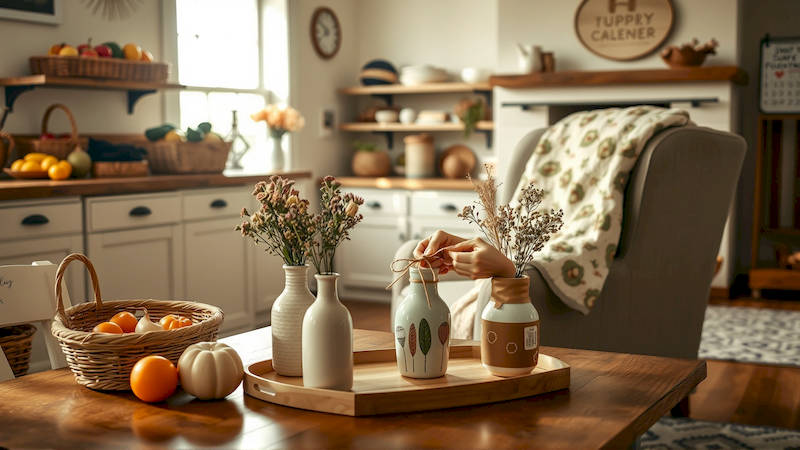
The desire for a beautifully decorated home is universal, often conjuring images of expensive furniture and professionally designed spaces. However, achieving a stylish and inviting home doesn’t require a substantial financial investment. In fact, many impactful and aesthetically pleasing décor changes can be made on a tight budget, focusing on creativity, resourcefulness, and a little bit of elbow grease. In a recent survey by LendingTree, nearly 60% of Americans feel overwhelmed by the cost of homeownership, and décor improvements are often sidelined. This article aims to provide practical, actionable solutions for transforming your living space without depleting your savings, demonstrating that a stunning home is attainable for everyone.
The misconception that great design necessitates exorbitant spending is largely perpetuated by marketing and a focus on trends. While chasing the latest styles can be tempting, embracing a more considered and personal approach to home décor – one that prioritizes affordability and sustainability – can yield far more satisfying results. Furthermore, smart decorating choices can significantly impact your well-being. Studies have shown a strong correlation between aesthetically pleasing environments and reduced stress levels, improved mood, and increased productivity. Investing in your home environment, then, is an investment in your overall quality of life, and it doesn't have to come with a hefty price tag.
This comprehensive guide explores a variety of budget-friendly home décor ideas, ranging from simple DIY projects to savvy shopping strategies. We will delve into how to repurpose existing items, utilize thrifting and vintage finds, and leverage the power of paint and textiles to create a space that reflects your personal style without straining your finances. Our focus will be on actionable steps you can take immediately to begin transforming your home, regardless of your current budget or design experience.
- The Power of Repurposing & Upcycling
- Thrifting & Vintage Finds: Treasure Hunting on a Budget
- Paint: The Most Cost-Effective Transformation
- Textiles: Adding Warmth, Texture and Personality
- Mastering the Art of Decluttering & Rearranging
- DIY Wall Art: Creative Expression on a Budget
- The Finishing Touches: Small Details, Big Impact
- Conclusion: Creating a Home You Love, Affordably
The Power of Repurposing & Upcycling
One of the most effective ways to save money on home décor is to look at what you already have with a fresh perspective. Repurposing and upcycling involve giving existing items a new life, transforming them into something beautiful and functional. This isn't just about saving money; it’s also a fantastic way to contribute to a more sustainable lifestyle by reducing waste and minimizing your environmental impact. Instead of discarding old furniture, consider refinishing it with a new coat of paint or stain, changing out the hardware, or even reupholstering it with inexpensive fabric. A tired dresser can become a stylish media console, while old mason jars can be transformed into charming vases or organizers.
Consider the possibilities within your own home. Old ladders can be painted and used as unique shelving units, vintage suitcases can be stacked to create a quirky side table, and forgotten fabrics can be sewn into decorative pillow covers or wall hangings. Don’t be afraid to think outside the box and explore unexpected combinations. Platforms like Pinterest and Instagram are brimming with upcycling inspiration, offering step-by-step tutorials and showcasing the incredible potential of transforming discarded items. Before heading to the store for new décor, a thorough assessment of your existing possessions could reveal hidden gems waiting to be rediscovered.
This approach fosters a more personal and meaningful home environment. Each upcycled piece tells a story, imbued with the history of its previous life and the creativity of its transformation. A recent article in Real Simple highlighted that upcycled décor adds “character and soul” to a home, creating a space that feels warm, inviting, and uniquely yours.
Thrifting & Vintage Finds: Treasure Hunting on a Budget
Thrift stores, flea markets, and antique shops are veritable goldmines for budget-conscious decorators. These locations offer a vast array of furniture, décor items, and accessories at significantly reduced prices compared to retail stores. The key to successful thrifting is patience, a keen eye for potential, and a willingness to envision items beyond their current state. Don’t be deterred by imperfections; a little paint, polish, or repair work can often breathe new life into a vintage find.
Focus on core pieces like chairs, tables, and lamps, which can be considerably cheaper secondhand. Accessories like vases, artwork, and mirrors can also be found at great prices, allowing you to add personality and style without breaking the bank. Regularly checking back with your favorite thrift stores is crucial, as inventory changes frequently. Early mornings or weekdays are often less crowded, giving you more time to browse and discover hidden treasures. Online marketplaces like Facebook Marketplace and Craigslist can also yield excellent deals, particularly on larger furniture items.
The appeal of thrifting goes beyond affordability. It provides access to unique, one-of-a-kind items that you wouldn’t find in conventional stores, allowing you to create a truly personalized and eclectic style. Furthermore, buying vintage and secondhand contributes to a circular economy, promoting sustainability and reducing consumption. According to the EPA, reusing items extends their lifespan and decreases the demand for new production, conserving resources and reducing landfill waste.
Paint: The Most Cost-Effective Transformation
Paint is arguably the most impactful and affordable tool available to the home decorator. A fresh coat of paint can completely transform a room, brightening the space, changing the mood, and creating the illusion of more space. Whether you’re looking to update walls, furniture, or accessories, paint offers endless possibilities for customization and personalization. While neutral colors are generally a safe bet, don’t be afraid to experiment with bolder hues or accent walls to add visual interest.
Careful preparation is key to a professional-looking paint job. Proper surface cleaning, patching holes, and applying primer will ensure optimal adhesion and longevity. Invest in quality brushes and rollers to minimize brushstrokes and achieve a smooth, even finish. Consider using leftover paint from previous projects for smaller accents or DIY projects. Often, hardware stores will mix custom colors in smaller quantities, allowing you to obtain a precise shade without purchasing an entire gallon.
Beyond walls, paint can be used to revitalize old furniture, giving it a new lease on life. A dated wooden chair can be transformed into a stylish statement piece with a vibrant coat of paint. Stencils and decorative techniques can be used to create unique patterns and designs. "Paint is the quickest, cheapest, and most transformative thing you can do to a space," says interior designer Emily Henderson on her popular blog, Style by Emily Henderson.
Textiles: Adding Warmth, Texture and Personality
Textiles – including curtains, rugs, pillows, and throws – play a crucial role in creating a cozy and inviting home environment. These items add warmth, texture, and personality to a space, softening harsh lines and tying the décor together. You don’t need to splurge on expensive designer fabrics; there are plenty of budget-friendly options available.
Consider shopping for textiles at discount stores, online retailers, or during sales. Look for versatile fabrics that can be used for multiple purposes. For example, a large piece of fabric can be used as a tablecloth, a curtain panel, or even repurposed into pillow covers. DIY projects like sewing pillow covers or creating a patchwork quilt can further reduce costs. Thrift stores and vintage shops are also excellent sources for unique and affordable textiles.
Focus on layering textures and patterns to create visual interest. Combining different fabrics, such as linen, cotton, and velvet, will add depth and dimension to your space. Rugs can define areas, add warmth underfoot, and anchor the furniture arrangement. Pillows and throws are an easy and inexpensive way to add pops of color and texture. Ensure proper care and cleaning to prolong the life of your textiles.
Mastering the Art of Decluttering & Rearranging
Sometimes, the most impactful décor change doesn’t involve adding anything new at all. Decluttering and rearranging your existing furniture and accessories can create a fresh, open, and inviting space without spending a dime. Removing unnecessary items will instantly make your home feel more spacious and organized.
Start by going through each room and identifying items that you no longer use, need, or love. Donate, sell, or discard these items to free up space and reduce clutter. Once you’ve decluttered, experiment with different furniture arrangements to optimize the flow and functionality of each room. Rearranging artwork, accessories, and lamps can also make a big difference.
Consider using a focal point to anchor the room, such as a fireplace, a large window, or a statement piece of furniture. Arrange furniture around this focal point to create a cohesive and balanced composition. "A well-organized space not only looks better but also feels more calming and inviting," notes Marie Kondo, author of The Life-Changing Magic of Tidying Up.
DIY Wall Art: Creative Expression on a Budget
Adding artwork to your walls is a simple and effective way to personalize your space and express your creativity. Instead of purchasing expensive prints or paintings, consider creating your own DIY wall art. There are countless possibilities, from abstract paintings to patterned canvases to framed fabric swatches.
Utilize affordable materials like canvas boards, acrylic paints, watercolors, and even recycled materials. Create abstract designs using simple techniques like splattering, dripping, or layering colors. Frame pressed flowers, leaves, or other natural elements for a unique and organic look. Alternatively, you can print out free high-resolution images from online sources and frame them in inexpensive frames.
Fabric scraps can also be stretched over canvases or framed to create textured and colorful wall art. "DIY wall art allows you to express your personal style and add a touch of creativity to your home without breaking the bank," emphasizes DIY expert Jen Woodhouse on her blog, House of Wood.
The Finishing Touches: Small Details, Big Impact
Often, the smallest details can make the biggest difference in transforming a space. Adding a few well-chosen accessories, such as plants, candles, books, and decorative objects, can elevate the overall look and feel of your home. Incorporate greenery to bring life and freshness into your space. Plants not only enhance the aesthetic appeal of a room but also improve air quality.
Candles create a cozy and inviting ambiance. Arrange books on shelves or coffee tables to add personality and intellectual stimulation. Display decorative objects that reflect your interests and passions. Consider creating vignettes – small, curated groupings of objects that tell a story. Investing in affordable frames for photos and artwork can instantly elevate the look of your walls. The key is to choose items that you love and that reflect your personal style.
Conclusion: Creating a Home You Love, Affordably
Decorating a home on a budget is entirely achievable with a little creativity, resourcefulness, and planning. By embracing repurposing, thrifting, and DIY projects, and by leveraging the power of paint and textiles, you can create a stylish and inviting space without breaking the bank. Remember that the goal isn't to replicate a magazine-worthy design but to create a home that reflects your personal style and enhances your quality of life. Don't be afraid to experiment, take risks, and have fun with the process.
The key takeaways from this guide are the emphasis on maximizing existing resources, seeking out affordable alternatives, and prioritizing personal expression. Start small by focusing on one room or one project at a time. Regularly declutter and reorganize to maintain a sense of calm and order. Most importantly, remember that a beautiful home is not about how much money you spend but about how you feel within its walls. Begin by assessing your current possessions, exploring local thrift stores, and researching DIY projects. You'll be surprised at the transformation you can achieve with a little effort and a lot of imagination.
Deja una respuesta