
Creative Storage Solutions for Small Apartment Kitchens
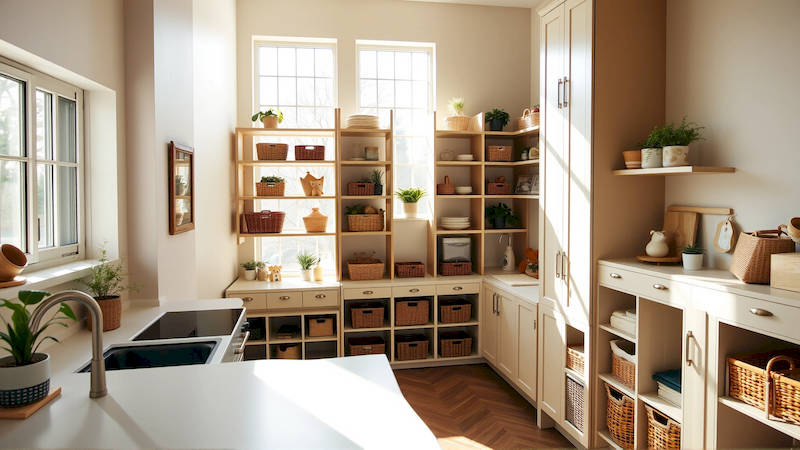
The kitchen is often considered the heart of the home, a space for nourishment, gathering, and creativity. However, in the reality of modern apartment living, particularly in urban centers, kitchen space is frequently at a premium. Tiny kitchens, while charming, pose significant organizational challenges. Cluttered countertops, overflowing cabinets, and a general lack of storage can quickly transform this essential room into a source of stress rather than enjoyment. Successfully navigating this challenge requires more than just decluttering; it demands a thoughtful and innovative approach to storage, one that leverages every available inch. This article dives deep into creative storage solutions tailored for small apartment kitchens, offering actionable strategies and inspiring ideas to maximize space and functionality.
The struggle with small kitchen organization is widespread. A 2023 survey by the National Association of Home Builders found that 41% of first-time homebuyers cited insufficient storage space as a significant concern. This isn't merely about aesthetics; it impacts daily efficiency and even mental well-being. A disorganized kitchen leads to wasted time searching for items, duplicated purchases, and a feeling of overall chaos. Effective storage isn’t just about fitting more in, it’s about creating a system that allows you to access what you need quickly and easily, fostering a more peaceful and productive cooking experience. This article will move beyond the typical “declutter first” advice (though important!), and focus on how to intelligently store what remains.
Vertical Thinking: Utilizing Wall Space
One of the most effective strategies for conquering a small kitchen is to look up. Wall space is often underutilized, offering a wealth of potential storage opportunities. Forget the idea that you need a sprawling pantry; instead, embrace vertical organization. This begins with open shelving. While cabinets offer concealment, open shelves create a sense of spaciousness and allow for easy access to frequently used items like dishes, spices, and cookbooks. Consider installing varying depths of shelving to accommodate different sized items, and utilize attractive containers or baskets to maintain a cohesive look and prevent visual clutter.
Beyond open shelving, magnetic knife strips are a game-changer. They free up valuable drawer space and keep knives safely and readily accessible. Similarly, magnetic spice racks can be mounted on the side of the refrigerator or a cabinet, bringing frequently used spices within easy reach. For a more substantial investment, consider installing a pot rack. Suspended from the ceiling or mounted on the wall, a pot rack not only keeps cookware organized but also doubles as a visual statement piece. Just ensure proper installation to handle the weight.
Finally, think about the space above your cabinets. Often, there's a gap between the cabinets and the ceiling that goes unused. This area is ideal for storing infrequently used items in decorative boxes or baskets. Labeling the boxes clearly will make it easier to retrieve items when needed. Remember to use a stable step stool or ladder to access these higher areas safely.
Inside Cabinet Innovation: Maximizing Interior Space
Simply owning cabinets isn't enough; you need to optimize the space within them. Standard cabinet shelving often leaves significant unused vertical space. Adjustable shelving is a must-have, allowing you to customize the height between shelves to accommodate items of varying sizes. For cabinets containing plates and bowls, consider using plate racks or tiered organizers to maximize vertical space and prevent chipping. Similarly, spice racks designed to fit inside cabinets can prevent spices from getting lost in the back.
Beyond adding organizers, think about the doors of your cabinets. The inside of cabinet doors are prime real estate for storage. Install shallow shelves or racks to hold spice jars, measuring cups, or even cleaning supplies. Another effective solution is a roll-out cabinet organizer. These organizers pull out like drawers, providing easy access to items stored at the back of the cabinet. They are particularly useful for storing pots, pans, and small appliances. For corner cabinets, a lazy Susan is an indispensable tool, eliminating the awkward reach-in and allowing you to access everything efficiently.
Lastly, don’t underestimate the power of clear containers. Transferring dry goods like pasta, rice, and flour into clear airtight containers not only keeps them fresh but also allows you to easily see what you have on hand, reducing waste. Opt for containers that stack neatly to maximize space.
Under-Sink Organization: Taming the Plumbing Jungle
The area under the kitchen sink is notoriously challenging to organize, often becoming a chaotic jumble of cleaning supplies and plumbing. However, with a strategic approach, this space can be transformed into a functional storage zone. The key is to utilize vertical space and account for the plumbing. Avoid simply stacking items haphazardly; instead, use tiered organizers designed to fit around the pipes. These organizers provide multiple levels of storage, maximizing vertical space.
Consider using hanging organizers that attach to the inside of the cabinet door. These are ideal for storing sponges, brushes, and spray bottles. For heavier items like cleaning solutions, use sturdy bins or baskets that can be easily pulled out. Waterproof liners are essential to protect the cabinet from leaks and spills. Categorize items – designate specific bins for cleaning supplies, dishwashing detergents, and trash bags.
Before you begin, take everything out from under the sink and thoroughly clean the area. This will give you a fresh start and allow you to assess your needs. Discard any expired or unused products. Remember to prioritize safety – store potentially hazardous cleaning products out of reach of children and pets.
The Island Advantage: Multi-Functional Furniture
If space allows, a kitchen island can be a transformative addition to a small apartment kitchen. However, it’s crucial to choose an island designed for small spaces with multi-functional features. Opt for an island with built-in storage, such as drawers, shelves, or even a wine rack. Rolling islands are particularly versatile, as they can be moved around as needed.
Consider an island with a drop-leaf extension, allowing you to expand the countertop space when needed. Islands with built-in appliance lifts can also be incredibly useful, allowing you to conceal small appliances like mixers or toasters when not in use. The island doesn't have to be a permanent fixture. Folding or portable kitchen carts can serve the same function, offering extra counter space and storage that can be easily tucked away when not needed.
Ultimately, the ideal island will depend on your specific needs and the layout of your kitchen. Before purchasing an island, carefully measure the available space and consider how it will impact traffic flow. "The goal is to add functionality without overcrowding the space," says interior designer Sarah Jameson, author of "Small Space Solutions." “A well-chosen island can be a game-changer, but a poorly chosen one can make a small kitchen feel even smaller.”
Repurposing and Thinking Outside the Box
Sometimes the best storage solutions aren't found in kitchen stores, but through creative repurposing. Think about items you already own that could be adapted for kitchen use. For example, a tiered fruit basket can be used to store onions and potatoes. Magazine holders can be used to organize cutting boards or baking sheets. Mason jars are perfect for storing dry goods.
Consider utilizing over-the-door organizers, which are typically used for shoes or toiletries, to store small kitchen items like plastic wrap, foil, or snack bags. A small rolling cart, originally intended for a craft room or office, can be transformed into a mobile kitchen pantry. This emphasizes the importance of evaluating existing items before rushing to buy new organizers. “Often, people spend money on expensive storage solutions when they already have perfectly good options at home,” adds Jameson.
This also extends to thinking about non-traditional storage areas. Could a slim bookshelf fit in a nearby hallway, effectively extending your kitchen storage space? Perhaps a stylish basket or trunk in a dining area could house infrequently used cookware.
Conclusion: A Kitchen Reimagined
Creating an organized and functional kitchen in a small apartment requires a mindset shift – a willingness to think vertically, embrace innovation, and challenge conventional storage norms. By maximizing wall space, optimizing cabinet interiors, taming the under-sink area, and leveraging multi-functional furniture, even the smallest kitchen can be transformed into a well-organized and enjoyable space. The key takeaways are to prioritize vertical storage, invest in smart organizers, and don’t underestimate the power of repurposing.
Remember, organization is an ongoing process, not a one-time event. Regularly declutter, reassess your storage needs, and make adjustments as necessary. By implementing these strategies, you can not only maximize space but also create a kitchen that is both beautiful and functional, proving that size truly doesn't define possibility. Take a look around your kitchen today – what unused space can you unlock? Start small, implement one change at a time, and enjoy the benefits of a more organized and efficient cooking environment.
Deja una respuesta