
How to Prepare Your Carry-On for Unexpected Delays and Layovers
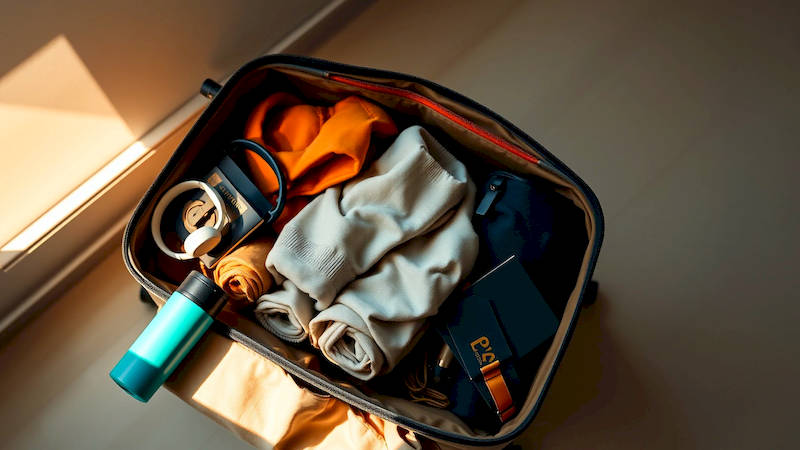
The modern travel landscape, while offering unprecedented access to the world, is increasingly prone to disruptions. From weather-related cancellations to unforeseen mechanical issues and staffing shortages, delays and layovers have become almost expected rather than exceptional. According to statistics from FlightAware, the first half of 2023 saw a significant spike in flight cancellations compared to pre-pandemic levels, and this trend isn't showing signs of immediate reversal. While we can't control these external factors, we can control how prepared we are to navigate them. This isn't just about averting mild inconvenience; it's about safeguarding your well-being, minimizing stress, and potentially saving significant money when travel plans go awry.
This article isn't about minimalist packing; it's about strategic packing. It’s about crafting a carry-on that functions as a portable lifeline, equipped to handle everything from a short three-hour delay to an overnight or even multi-day stranding. We'll be moving beyond the typical "neck pillow and book" advice to delve into the specific items, strategies, and mental preparations that will transform your carry-on from a mere baggage allowance to a powerful tool for travel resilience. This isn’t about expecting the worst, it’s about being realistically prepared for it, allowing you to react calmly and confidently when the inevitable happens.
Ultimately, a well-prepared carry-on isn’t merely a collection of items; it’s a mindset. It’s an acceptance that travel, while enriching, can be unpredictable. It’s about proactively mitigating potential negative impacts so you can focus on enjoying the journey, even – and perhaps especially – when things don't go according to plan. Let's dive into the specifics of cultivating that preparedness.
- The Essential "Survival Kit": Beyond the Basic Necessities
- Clothing Considerations: Layering for All Scenarios
- Digital Lifelines: Maximizing Your Tech Preparedness
- Food & Hydration: Sustaining Yourself Through Delays
- Entertainment & Mental Wellbeing: Staying Sane During Disruptions
- Document Security & Financial Preparedness: Protecting Your Assets
The Essential "Survival Kit": Beyond the Basic Necessities
The foundation of any resilient carry-on is a dedicated "survival kit," and this goes far beyond the usual travel-sized toiletries. Think of this as your micro-home base, containing the essentials for basic comfort, hygiene, and health. This should be packed in a dedicated, easily accessible pouch or compartment within your carry-on. Crucially, prioritize items that address potential discomforts arising from a sustained disruption – not just the initial inconvenience.
This kit should always include a comprehensive first-aid kit, specifically tailored for travel. Beyond standard bandages and antiseptic wipes, consider including pain relievers, anti-diarrheal medication, motion sickness remedies, and any personal prescriptions you require. Many travelers overlook the importance of over-the-counter medications, but access can be limited or expensive in unfamiliar locations, especially during unexpected delays. Furthermore, include a small, reusable hand sanitizer, disinfecting wipes, and a travel-sized face mask – habits reinforced by recent global events but still essential for maintaining hygiene in crowded travel environments.
Don't underestimate the power of comfort items. A high-quality eye mask and earplugs can transform a sterile airport floor into a viable resting space. A small, inflatable neck pillow might be a cliche, but it drastically improves comfort during long waits. Consider a lightweight, quick-drying travel towel – invaluable if you get stuck somewhere without access to adequate washing facilities. Finally, a portable charger and charging cables are non-negotiable in the modern travel world. Ensure it’s a high-capacity power bank capable of recharging your devices multiple times.
Clothing Considerations: Layering for All Scenarios
Clothing in your carry-on shouldn’t be about having entire outfits for alternate destinations; it’s about adaptability and preparedness for temperature fluctuations and potential mishap. The key is layering. Pack versatile items that can be mixed and matched to create various looks, and always include at least one complete change of clothes. This isn’t for fashion; it’s for dignity. Imagine being stranded overnight with no fresh clothes – a small investment in preparedness can prevent a significant blow to morale.
Prioritize fabrics that are wrinkle-resistant, quick-drying, and lightweight. Merino wool is an excellent choice, offering warmth without bulk and naturally resisting odors. Consider packing a lightweight, packable waterproof jacket or poncho, even if the forecast looks clear – unexpected rainstorms or delays requiring airport transfers can quickly make this a lifesaver. A comfortable pair of walking shoes, in addition to your planned footwear, is highly recommended – you may find yourself doing a lot more walking than anticipated during a disruption.
Don’t forget about socks and underwear! Pack several pairs, opting for moisture-wicking materials for maximum comfort. A small pack of laundry detergent sheets can be incredibly useful for washing essential items in a sink if you're stuck for an extended period. The rule of thumb is to think practically – what would you need to function comfortably if you were unexpectedly separated from your checked luggage for 24-48 hours?
Digital Lifelines: Maximizing Your Tech Preparedness
Your digital devices are arguably your most important travel tools, but their usefulness is limited without proper planning. Beyond the obvious portable charger, consider downloading essential apps before you travel, especially those that function offline. This includes your airline's app for real-time flight updates, offline maps (Google Maps allows you to download entire regions), and translation apps. Ensure you have screenshots of important documents – boarding passes, hotel confirmations, and identification – readily accessible on your phone, in case you lose access to the internet or the original documents.
Furthermore, back up your important data to the cloud before your trip. Losing your phone or having it damaged during travel can be devastating, but having your photos, documents, and contacts safely stored in the cloud provides a critical safety net. Consider investing in a VPN (Virtual Private Network) to protect your data when using public Wi-Fi networks, which are often unsecured. Free airport Wi-Fi is convenient, but it comes with security risks.
Finally, pre-program important emergency contact numbers into your phone, and share your itinerary with a trusted family member or friend. "At a minimum, it's wise to have the contact information of your airline’s customer service readily available," advises travel expert Pauline Frommer, "as well as the numbers for your credit card companies, in case you need to report a lost or stolen card."
Food & Hydration: Sustaining Yourself Through Delays
Food and hydration are often overlooked aspects of travel preparedness, but they can significantly impact your well-being during a delay. Airport food is notoriously expensive and often unhealthy. Packing your own snacks and an empty, reusable water bottle is a simple yet effective way to save money and maintain your energy levels. Choose non-perishable snacks that are easy to transport and don't require refrigeration – granola bars, nuts, dried fruit, and crackers are all good options.
Remember the 3-1-1 liquid rule for carry-on luggage (3.4-ounce containers, 1 quart-sized bag, one bag per passenger), but be mindful that you can purchase larger bottles of water after passing through security. Keep your reusable bottle empty until you’re beyond the security checkpoint. Consider packing electrolyte tablets to add to your water bottle, especially if you're prone to dehydration or experiencing digestive issues.
Beyond snacks, a small, lightweight utensil set (fork, spoon, knife) can be invaluable if you end up needing to eat something purchased outside the airport – a delayed flight might mean limited dining options. "Thinking about nourishment is crucial," says Dr. Rajeev Singh, a frequent business traveler and preventative medicine specialist. "Low blood sugar and dehydration exacerbate stress levels, making a bad situation even worse."
Entertainment & Mental Wellbeing: Staying Sane During Disruptions
Long delays can be incredibly stressful and mentally draining. Having a variety of entertainment options can help you stay occupied and maintain a positive outlook. This could include a good book, a downloaded podcast or audiobook, a travel-sized game, or a journal. However, don’t rely solely on screens. Digital devices can be draining, and you might not have access to power for extended periods.
Consider bringing a small notebook and pen for writing, sketching, or simply jotting down your thoughts. These low-tech activities can be surprisingly therapeutic. Practice mindfulness exercises or download a meditation app to help manage stress and anxiety. A physical activity, while limited by space, can also be helpful. Simple stretching exercises can improve circulation and reduce muscle tension.
Remember to be kind to yourself during a disruption. Accept that things are outside your control, and focus on what you can control – your response to the situation. Breathing exercises and positive self-talk can make a significant difference. "Mental resilience is just as important as physical preparedness," adds travel psychologist Dr. Emily Carter. "Recognize your triggers, and have strategies in place to cope with stress and frustration."
Document Security & Financial Preparedness: Protecting Your Assets
Finally, and extremely importantly, secure your important documents. Keep your passport, visa (if applicable), and other essential identification in a waterproof, zippered pouch that can be easily concealed. Make photocopies of these documents and store them separately from the originals – this can be invaluable if your passport is lost or stolen.
Carry a small amount of local currency in addition to your credit cards. This can be useful for tipping or purchasing small items in situations where credit cards aren’t accepted. Notify your credit card companies of your travel dates to avoid having your cards flagged for suspicious activity. Be aware of the fees associated with using your credit cards abroad, and consider using a travel-friendly credit card with no foreign transaction fees.
It’s also wise to have a backup plan for accessing funds in case your credit cards are lost or stolen. A prepaid travel card or a second credit card stored separately from your primary card can provide a safety net. Having a digitally accessible copy of important insurance policy numbers (travel insurance, health insurance) is a crucial addition to your digital document backups.
In conclusion, preparing your carry-on for unexpected delays and layovers isn’t about anticipating disaster; it's about empowering yourself to navigate unforeseen circumstances with confidence and resilience. By focusing on the essentials – comfort, hygiene, health, digital connectivity, sustenance, mental wellbeing, and document security – you can transform your carry-on into a portable haven, shielding you from the worst impacts of travel disruptions. Remember, the goal isn't to eliminate the possibility of inconvenience, it’s to minimize its impact and preserve your peace of mind. Take the time to thoughtfully curate your carry-on; it’s an investment in your travel experience – and your wellbeing – that will pay dividends for years to come. Start compiling your kit today and travel with the assurance that you're prepared for whatever the journey may bring.
Deja una respuesta