
How to Store Fresh Herbs to Last Twice as Long
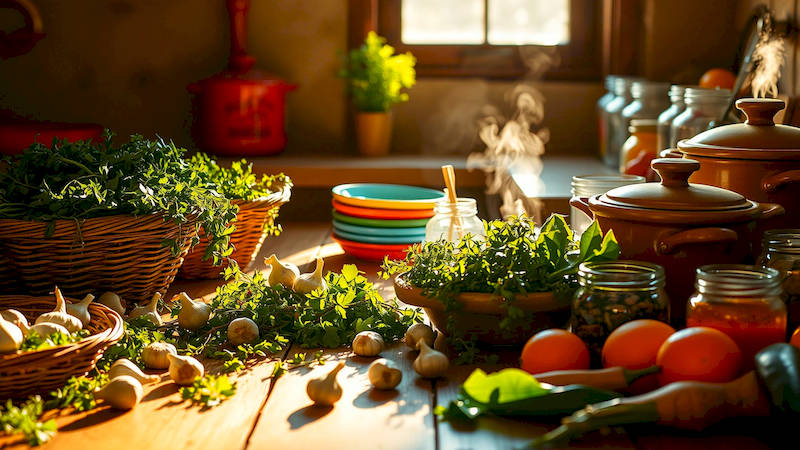
Fresh herbs elevate cooking from the mundane to the magnificent. They add brightness, complexity, and a garden-fresh quality that dried herbs simply can’t replicate. However, this exquisite flavor comes with a frustrating caveat: their notoriously short shelf life. How many times have you purchased a beautiful bunch of basil, parsley, or cilantro, only to find it wilted and slimy in your refrigerator a few days later? This scenario is far too common, leading to food waste and wasted money. But it doesn’t have to be this way. With the right techniques, you can drastically extend the life of your fresh herbs, enjoying their vibrant flavors for twice as long – or even longer. This comprehensive guide dives deep into the science of herb storage, offering practical, actionable advice to transform your kitchen and minimize waste.
Many home cooks underestimate the importance of proper herb storage, often treating them as an afterthought. In reality, treating herbs with care is an investment in flavor and efficiency. Considering that the average American household throws away approximately 30-40% of the food they purchase, according to the USDA, minimizing herb waste contributes to broader efforts toward sustainability and responsible food management. Beyond the environmental impact, preserving herbs’ freshness allows you to maximize their culinary potential, unlocking a world of vibrant flavors in your everyday meals. This guide unveils the most effective strategies, debunking common myths and offering a tailored approach to storing various types of herbs.
- Understanding Herb Categories: Soft vs. Hard Herbs and Their Storage Needs
- The “Refrigerator Bouquet” Method: Prolonging the Life of Soft Herbs
- Drying Herbs: A Long-Term Preservation Solution
- Freezing Herbs: Capturing Flavor for Later Use
- Specialized Herb Keepers: Are They Worth the Investment?
- Beyond Storage: Maximizing Herb Flavor Before Preservation
- Conclusion: A Garden-Fresh Future for Your Herbs
Understanding Herb Categories: Soft vs. Hard Herbs and Their Storage Needs
The first step to successful herb storage is understanding that not all herbs are created equal. Botanically speaking, they fall broadly into two categories: soft herbs and hard herbs. Soft herbs, like basil, cilantro, parsley, mint, and chives, have tender stems and delicate leaves. They are more susceptible to wilting and deterioration due to their higher water content. Hard herbs, on the other hand, such as rosemary, thyme, oregano, and sage, possess woody stems and more robust leaves, enabling them to withstand slightly less careful handling. This fundamental difference dictates the appropriate storage method for each type.
Generally, soft herbs benefit from being treated like cut flowers – they thrive when hydrated. Hard herbs, however, are more prone to rot if stored in direct moisture. Therefore, the "refrigerator bouquet" method, detailed later, is ideal for soft herbs, while harder herbs often fare better wrapped in a slightly damp cloth and kept in a crisper drawer. Furthermore, some herbs, like basil, are particularly sensitive to cold temperatures and should ideally not be refrigerated, as it can cause blackening. Understanding these nuances allows you to tailor your storage techniques for optimal results. A common mistake is applying the same storage method to every herb without considering its unique characteristics.
The “Refrigerator Bouquet” Method: Prolonging the Life of Soft Herbs
For soft herbs like basil, parsley, and cilantro, the “refrigerator bouquet” method is a game-changer. This technique mimics the way florists keep flowers fresh by providing a continuous water source. To implement this method, start by trimming about an inch off the bottom of the herb stems, just as you would with cut flowers. Next, fill a glass or jar with about an inch or two of water. Place the herbs upright in the water, ensuring the leaves are not submerged – submerging the leaves will cause them to decay rapidly.
Finally, loosely cover the herbs and the jar with a plastic bag. This creates a humid environment that prevents the herbs from drying out. Secure the bag with a rubber band, leaving a small vent for air circulation. Place the jar in the refrigerator door, where the temperature is typically slightly warmer than the rest of the refrigerator. This method can keep soft herbs, especially parsley and cilantro, fresh for up to two weeks, significantly longer than traditional storage methods. A study conducted by Mississippi State University found that herbs stored using this technique retained 80% of their original freshness after seven days compared to only 30% when stored directly in the refrigerator.
Drying Herbs: A Long-Term Preservation Solution
While refrigeration extends the lifespan of fresh herbs, drying offers a far more durable preservation method. Dried herbs don’t have the same vibrant, fresh flavor, but they’re a fantastic pantry staple for adding depth and complexity to dishes when fresh herbs aren’t available. There are several methods for drying herbs, each with its own advantages and disadvantages. Air drying is the simplest and most traditional method. Tie small bunches of herbs together and hang them upside down in a dark, well-ventilated area.
This process typically takes 1-3 weeks, depending on the humidity and the type of herb. Another method is oven drying, which is faster but requires careful monitoring to prevent scorching. Spread the herbs in a single layer on a baking sheet and bake at the lowest possible temperature (usually around 170°F or 77°C) with the oven door slightly ajar to allow moisture to escape. Finally, a dehydrator offers the most controlled environment and produces consistently high-quality dried herbs. Regardless of the method chosen, ensure the herbs are completely dry before storing them in airtight containers in a cool, dark place. Properly dried herbs can retain their flavor for up to a year.
Freezing Herbs: Capturing Flavor for Later Use
Freezing is another excellent long-term preservation option, particularly well-suited for soft herbs. The texture of frozen herbs changes – they become softer and less vibrant – but the flavor remains remarkably well-preserved. One of the easiest methods is to chop the herbs and freeze them in ice cube trays filled with water or olive oil. The oil method is particularly useful for herbs you’ll be using in cooking, as the oil adds extra flavor and prevents the herbs from clumping together.
Once the cubes are frozen solid, transfer them to a freezer bag or container. Another method is to freeze whole leaves on a baking sheet lined with parchment paper before transferring them to a freezer bag. This works best for herbs like basil that you might want to use for pesto or other sauces. According to a report by the National Center for Home Food Preservation, properly frozen herbs can retain their flavor for 6-12 months. While freezing impacts texture, it allows you to access fresh herb flavor during the off-season, vastly superior to relying solely on dried alternatives.
Specialized Herb Keepers: Are They Worth the Investment?
In recent years, a wave of herb keepers have emerged on the market, promising to keep herbs fresher for longer. These containers are typically designed with ventilation holes and water reservoirs, aiming to replicate the “refrigerator bouquet” method in a more convenient and aesthetically pleasing package. While some of these herb keepers can be effective, it’s important to be discerning. Many are simply overpriced plastic containers that don’t offer significant benefits over the DIY method.
However, some higher-quality herb keepers, particularly those with adjustable ventilation and airtight seals, can provide a noticeable improvement in herb longevity. Consumer Reports tested several herb keepers and found that those with proper ventilation and moisture control consistently outperformed basic storage methods. Ultimately, the decision of whether or not to invest in a herb keeper depends on your individual needs and budget. If you frequently use fresh herbs and are looking for a convenient and organized storage solution, a well-designed herb keeper can be a worthwhile investment.
Beyond Storage: Maximizing Herb Flavor Before Preservation
Effective storage is crucial, but maximizing herb flavor starts even before you bring them home. When purchasing herbs, look for vibrant, unblemished leaves and avoid bunches that are wilted, yellowing, or have signs of decay. Sniff the herbs – they should have a strong, fresh aroma. Once home, avoid washing the herbs until just before you use them. Washing introduces moisture, which can accelerate spoilage.
Instead, store them dry and wash them only when you're ready to incorporate them into your cooking. Also, consider how you’re handling the herbs. Bruising or crushing the leaves before storage releases their essential oils, diminishing their flavor and shortening their lifespan. Handle them gently and avoid aggressive chopping or mixing until you’re ready to use them. By following these pre-storage practices, you’ll ensure you’re starting with the highest-quality herbs possible, maximizing their flavor and extending their useful life.
Conclusion: A Garden-Fresh Future for Your Herbs
Preserving the freshness of herbs is a manageable task that yields significant rewards – reduced food waste, enhanced culinary experiences, and cost savings. By understanding the differences between soft and hard herbs, mastering techniques like the “refrigerator bouquet” and freezing methods, and carefully considering preservation options from drying to specialized containers, you can dramatically extend the shelf life of these valuable ingredients.
The key takeaways are simple: hydration for soft herbs, dryness for hard herbs, and a proactive approach to flavor preservation from purchase to storage. Don’t simply toss your herbs in the refrigerator and hope for the best. Instead, implement these strategies and enjoy a consistent supply of vibrant, flavorful herbs at your fingertips. Start by assessing your herb usage, experimenting with different storage methods, and tailoring your approach to suit your needs. A little effort goes a long way in ensuring you’re always ready to add a touch of garden-fresh goodness to your meals.
Deja una respuesta