
Minimalist Toy Storage Ideas for Kids’ Rooms
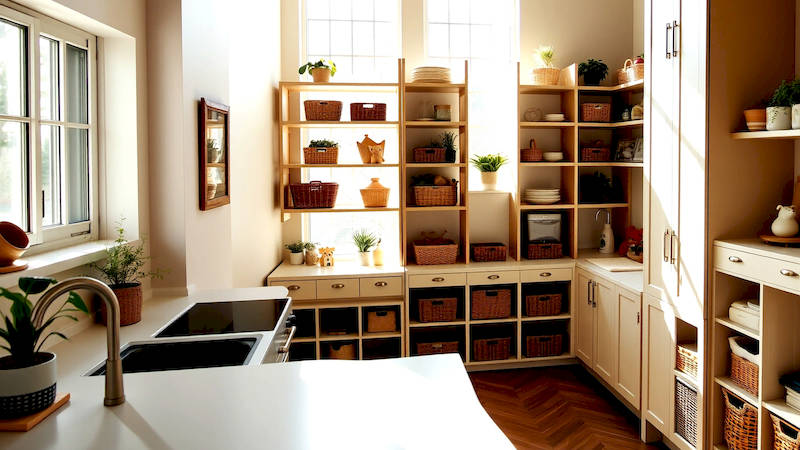
The sheer volume of toys that accumulate in a child’s room can be overwhelming, for both the child and the parents. Beyond the visual chaos, a surplus of toys can actually hinder a child's development. Studies show that too many toys can lead to decreased attention spans, reduced creativity, and increased anxiety. In a world increasingly focused on experiences over possessions, embracing minimalism in children’s spaces isn’t about deprivation; it’s about intentionality. This means carefully curating a collection of toys that foster imagination, learning, and genuine enjoyment, all while creating a peaceful and manageable environment. This article provides a deep dive into minimalist toy storage, moving beyond simple decluttering to creating a system that works long-term and supports your child’s growth.
Minimalist toy storage isn’t about stark, empty rooms. It’s about creating a space where every item has a purpose and a place. It’s about prioritizing quality over quantity and fostering a relationship with belongings that values care and appreciation. Implementing these strategies brings a sense of calm and order that benefits the entire family, makes cleanup easier, and importantly, encourages children to engage more fully with the toys they do have. We'll explore actionable strategies, focusing on long-term solutions rather than temporary fixes, to help you reclaim your child’s room and shift towards a more mindful approach to playtime.
- The Purge: Effective Decluttering Strategies
- Vertical Storage Solutions: Maximizing Space
- The Power of Baskets, Bins, and Containers
- Multi-Purpose Furniture: Hidden Storage Solutions
- Designated Play Zones: Containment is Key
- Cultivating a "Less is More" Mindset
- Conclusion: A Calmer Space, A Happier Child
The Purge: Effective Decluttering Strategies
The first step towards minimalist toy storage is, inevitably, decluttering. However, this isn’t just about throwing things away. A successful declutter involves a thoughtful process, and crucially, your child’s involvement, if age-appropriate. Start by categorizing toys: keep, donate, sell, and trash. Be ruthless – if something is broken, missing pieces, or hasn’t been played with in six months (with very few exceptions like sentimental items), it’s likely time to let it go. “The key is to focus on what sparks joy, rather than what feels like obligation,” advises Marie Kondo, author of The Life-Changing Magic of Tidying Up, a philosophy that applies equally well to children's belongings.
Involve your child in this process (depending on their age). For younger children, you can make it a game – "Let's find toys to give to children who don't have as many!” For older children, explain the benefits of decluttering, such as making room for new things, helping others, and creating a more peaceful play space. Avoid simply dictating what goes; instead, guide them with questions like, "Do you still love playing with this?" or "Is this something you see yourself using in the next few months?" Respect their emotional attachment, but gently encourage them to part with items they’ve genuinely outgrown.
Finally, create a system for regularly rotating toys. Instead of displaying everything at once, store a portion of the decluttered toys in bins out of sight. Every few weeks or months, swap out the toys, effectively offering a “new” selection without actually acquiring anything new. This rotation keeps things interesting and prevents overwhelm, maintaining a sense of novelty while upholding the minimalist principles.
Vertical Storage Solutions: Maximizing Space
One of the biggest challenges in kids’ rooms is limited floor space. Utilizing vertical storage is a game-changer. This means thinking beyond traditional floor-level bins and drawers and looking upwards. Tall bookshelves, wall-mounted shelves, and over-the-door organizers can dramatically increase storage capacity without taking up valuable play area. Choose shelves that are accessible to your child, but also consider safety – secure taller bookshelves to the wall to prevent tipping.
Consider using a combination of open and closed vertical storage. Open shelves are ideal for displaying frequently used toys and creating a visually appealing arrangement, while closed cabinets or bins on higher shelves can conceal clutter and store less-frequently used items. A well-thought-out vertical storage system doesn’t just maximize space; it also helps children learn to organize and put things away themselves. Labeling shelves with pictures or words (depending on the child's age) further reinforces this learning.
Don't underestimate the power of wall-mounted storage boxes or fabric hanging organizers. These are excellent for storing small toys like LEGOs, art supplies, or dolls' accessories. They are especially useful in smaller rooms where floor space is at a premium. Remember to keep the most frequently used items within your child's reach and the less-used items higher up.
The Power of Baskets, Bins, and Containers
Once you’ve decluttered and maximized vertical space, the next step is organizing the remaining toys into baskets, bins, and containers. This isn’t just about aesthetics; it’s about creating a system that’s intuitive and easy for your child to maintain. Opt for clear bins, especially for younger children, as they can easily see what’s inside, promoting independent play and cleanup. For older children, opaque bins with labels can work well.
When choosing containers, consider the types of toys you're storing. Larger bins are ideal for bulky items like stuffed animals or building blocks, while smaller containers are better for smaller toys like cars or action figures. Invest in a variety of sizes and shapes to accommodate different items. Furthermore, choose durable, easy-to-clean containers that can withstand the rigors of daily play. Woven baskets add a natural, aesthetically pleasing touch, while clear plastic bins prioritize visibility and practicality.
A crucial element of effective container organization is categorization. Group similar toys together – all the cars in one bin, all the art supplies in another, all the dress-up clothes in a third. This simplifies cleanup and makes it easier for your child to find what they’re looking for. This principle ties directly into the KonMari Method's emphasis on categorizing possessions before decluttering.
Multi-Purpose Furniture: Hidden Storage Solutions
Often overlooked, furniture can be a powerful ally in the quest for minimalist toy storage. Investing in multi-purpose furniture pieces that offer hidden storage can significantly reduce clutter. Ottomans with lift-up lids, benches with built-in compartments, and beds with drawers underneath are all excellent options. These pieces seamlessly integrate storage into the existing furniture, minimizing the need for additional bins and boxes.
Consider a toy chest that doubles as a bench. This provides a seat for your child and a convenient place to store larger toys like stuffed animals or building blocks. Similarly, a coffee table with built-in drawers can be used to store board games, puzzles, or art supplies. When choosing multi-purpose furniture, prioritize quality and durability. Look for pieces that are well-constructed and can withstand the wear and tear of daily use.
Beyond these dedicated solutions, think creatively. A bookshelf can be repurposed to hold bins and baskets, creating a visually appealing and functional storage unit. A rolling cart can be used to store art supplies or LEGOs, making it easy to move them around the room or to another play area.
Designated Play Zones: Containment is Key
Instead of letting toys sprawl throughout the entire room, create designated play zones. This helps contain the mess and makes cleanup much easier. A reading nook with a cozy chair and a small bookshelf, a building area with a dedicated rug and storage bins, and an art station with a table and art supplies are all examples of effective play zones. "Creating defined spaces helps children understand boundaries and promotes focused play," explains child development expert Dr. Laura Markham.
Within each play zone, prioritize functionality and accessibility. Make sure the toys are easily accessible to your child, but also within sight, so they can easily see what they have available. This also encourages them to put things away after they’re finished playing. Use rugs to visually define each zone and create a sense of separation. This is particularly important in smaller rooms where there isn’t a lot of physical space.
Remember to adapt the play zones as your child’s interests and needs change. A building zone that was perfect for a four-year-old might need to be adjusted for a seven-year-old. The flexibility of these zones ensures they remain functional and relevant as your child grows.
Cultivating a "Less is More" Mindset
Minimalist toy storage is not just about physical organization; it’s about fostering a mindset of mindful consumption and appreciating what you have. Teach your child the value of taking care of their belongings and respecting their toys. Encourage them to choose quality over quantity and to appreciate the joy of imaginative play. Lead by example by modeling minimalist principles in your own life.
Implement a "one in, one out" rule. Every time your child receives a new toy, they must donate or give away an old one. This helps prevent the accumulation of clutter and reinforces the idea that possessions have value. Talk to your child about the importance of giving back to others and the joy of sharing their toys with those less fortunate.
Finally, remember that minimalism is a process, not a destination. It takes time and effort to create a minimalist toy storage system that works for your family. Be patient with yourself and your child, and celebrate small victories along the way. The ultimate goal is to create a peaceful and functional space where your child can thrive and embrace the joy of play.
Conclusion: A Calmer Space, A Happier Child
Implementing minimalist toy storage solutions isn’t just about tidying up a room; it’s about creating a calmer, more intentional environment that fosters a child’s creativity, focus, and well-being. By effectively decluttering, leveraging vertical space, utilizing smart storage solutions, and cultivating a "less is more" mindset, you can transform a chaotic play space into a haven of organized calm. The key takeaways are to involve your child in the process, prioritize quality over quantity, and establish a routine for regular decluttering and rotation.
Remember that the most successful minimalist systems are those that are tailored to your family’s specific needs and lifestyle. Don’t be afraid to experiment with different strategies and find what works best for you. Start small – perhaps focus on one area of the room at a time – and gradually work your way through the rest. By taking a proactive and mindful approach to toy storage, you can create a space that truly supports your child’s development and brings joy to your entire family. A well-organized and intentionally curated play space will ultimately nurture a happier, more focused, and more creative child.
Deja una respuesta