
Repurposing Old Containers for Smart Storage Solutions
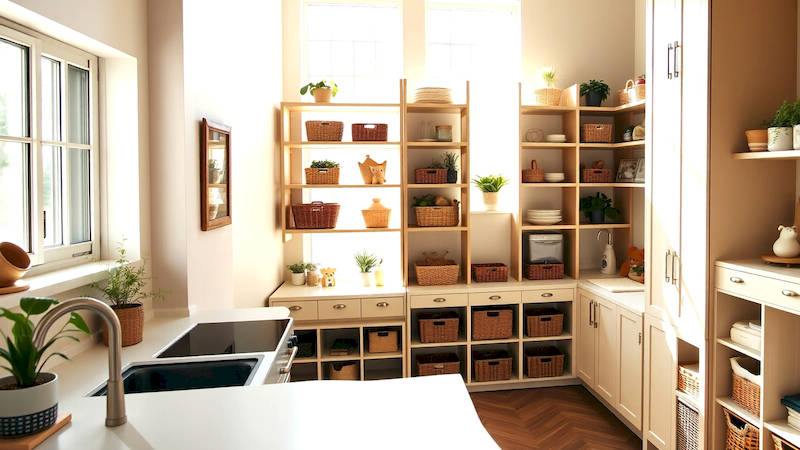
Our homes are often brimming with “stuff.” While some of it holds sentimental value, a significant portion consists of items we accumulate over time, requiring dedicated storage space. Frequently, this leads to a cycle of purchasing new storage containers – plastic bins, baskets, fabric boxes – adding to our consumption and potentially contributing to environmental waste. But what if we could address our storage needs without constantly buying new? The answer lies in a surprisingly effective and sustainable practice: repurposing containers we already own. This isn’t just about decluttering; it's about embracing a mindful approach to organization, tapping into creativity, and minimizing our environmental impact. This article will delve into the world of container repurposing, offering practical ideas, detailed strategies, and the inspiration to transform discarded items into clever storage solutions.
The benefits extend beyond just cost savings. Repurposing containers encourages a more intentional approach to consumption. When we actively seek ways to reuse what we have, we’re less likely to impulsively buy more. This shift in mindset helps reduce clutter and promotes a more minimalist lifestyle. Moreover, it's a satisfyingly eco-friendly practice, diverting materials from landfills and lessening the demand for new plastic production. Consider the sheer volume of takeout containers, glass jars, and cardboard boxes that pass through our homes – each one represents an opportunity to create functional and aesthetically pleasing storage. It’s about seeing potential where others see trash.
- Transforming Kitchen Containers into Organizational Powerhouses
- Bathroom Bliss: Repurposing Beauty and Personal Care Packaging
- Beyond Boxes: Cardboard Container Creativity
- Harnessing the Power of Food Storage Containers
- Laundry Room Liberation: Repurposing Cleaning Product Containers
- Beyond the Obvious: Creative & Unexpected Repurposing Ideas
- Conclusion: Embracing a Repurposing Mindset
Transforming Kitchen Containers into Organizational Powerhouses
The kitchen is arguably the room that generates the most container waste, from food packaging to takeaway leftovers. Fortunately, these containers are incredibly versatile for repurposing beyond their original intended use. Glass jars, in particular, are exceptionally useful. Pasta sauce jars, pickle jars, and even baby food jars can be meticulously cleaned and used for storing pantry staples like spices, nuts, seeds, and dried beans. Labeling them clearly not only enhances organization but also adds a visual appeal to your pantry shelving. Beyond dry goods, smaller jars are ideal for holding cotton swabs, bobby pins, or even small craft supplies in a bathroom or home office setting.
Plastic food containers – think yogurt tubs, margarine containers, and takeout boxes – don't need to end up in the recycling bin. These can be exceptionally useful in the refrigerator for storing prepped vegetables, leftovers, or even small portions of food for babies or pets. The transparency of many plastic containers also makes it easy to identify the contents at a glance, reducing food waste. A step further involves utilizing these containers in the garage or shed for organizing small hardware like screws, nails, or washers. The key is thorough cleaning and ensuring the containers are fully dry before storing anything inside to prevent mold or mildew growth.
Finally, consider tin cans. After thoroughly washing and removing any sharp edges, tin cans can be creatively repurposed. Decorate them with paint, fabric scraps, or twine to create charming pen holders, utensil organizers, or even small planters for herbs. Just ensure the interior is rust-proofed with a sealant if you plan on using them with plants and moisture.
Bathroom Bliss: Repurposing Beauty and Personal Care Packaging
Bathrooms, like kitchens, accumulate a wide variety of containers. Empty cosmetic jars, lotion bottles, and even toothbrush packaging can be smartly transformed into organizational tools. Small cosmetic jars are perfect for holding hair ties, jewelry, or cotton balls. Clear jars, especially, can visually display your beauty accessories, making them readily accessible. Don't underestimate the potential of larger lotion or shampoo bottles – thoroughly cleaned, they can be refilled with homemade cleaning solutions or used as watering cans for small houseplants.
Beyond the containers themselves, consider repurposing the packaging itself. A sturdy cosmetic box can be repurposed as a drawer organizer for socks, underwear, or other small items. Magic eraser packaging, often made of surprisingly durable plastic, can be cut and adapted to create dividers within drawers or shelves. The key to succeeding with bathroom repurposing is hygiene; ensure all containers are thoroughly disinfected before use. According to a study by the Environmental Protection Agency, the average person generates over 4.4 pounds of waste per day, a substantial portion of which comes from personal care product packaging, making this form of repurposing particularly impactful.
Beyond Boxes: Cardboard Container Creativity
Cardboard often gets a bad rap as disposable packaging, but it’s surprisingly durable and lends itself exceptionally well to repurposing. Shoe boxes, cereal boxes, and even shipping boxes can be transformed into effective storage solutions. Shoe boxes, for example, are the perfect size for organizing scarves, belts, or small electronic accessories. Cereal boxes can be reinforced with tape and used for vertical filing or organizing craft supplies. Shipping boxes, when collapsed, can be stored flat and used as dividers in closets or under beds.
Elevate the aesthetic of cardboard containers with simple customization. Cover them with decorative paper, fabric scraps, or even paint to create storage boxes that blend seamlessly with your home décor. Cut cardboard into custom-sized dividers for drawers or create a homemade desk organizer. Remember, cardboard is biodegradable, making it a particularly eco-friendly choice for storage. One often overlooked technique is utilizing cardboard rolls (from paper towels or toilet paper) to corral cables and cords—a surprisingly effective and tidy solution.
Harnessing the Power of Food Storage Containers
Those ubiquitous plastic food storage containers – the ones that somehow always seem to have missing lids – don’t have to be relegated to the back of a cupboard. These are remarkably adaptable beyond food storage. Use them to organize toys in a playroom, craft supplies in a home office, or hardware in a garage. Their stackable design makes them ideal for maximizing vertical space. Prioritize matching lids as much as possible, but even mismatched containers can be grouped together for specific purposes, like holding art supplies or small tools.
Consider utilizing clear containers specifically for visibility. Clear containers make it easy to see the contents at a glance, saving you time and frustration while searching for items. Group similar items together in the same type of container for enhanced organization. For instance, dedicate all blue containers to children’s toys and all red containers to art supplies. Expert organizer Marie Kondo emphasizes the importance of “categorizing” in her KonMari method, and repurposing food storage containers is a great way to implement that principle.
Laundry Room Liberation: Repurposing Cleaning Product Containers
The laundry room often becomes a dumping ground for cleaning supplies and laundry essentials. Repurposing containers can help you regain control of this often-chaotic space. Empty laundry detergent bottles, fabric softener containers, and even bleach bottles (after extremely thorough rinsing and cleaning) can be repurposed for storing extra supplies. Use larger containers for holding laundry boosters, stain removers, or dryer sheets.
Spray bottles can be reused for homemade cleaning solutions – diluted vinegar and water, for example. This cuts down on plastic consumption and allows you to customize your cleaning products. Smaller containers can be repurposed for holding clothespins, dryer balls, or even lost socks awaiting their matches. Always, always label repurposed cleaning product containers clearly to avoid confusion and potential accidents. Safety should be paramount when repurposing containers that previously held chemicals.
Beyond the Obvious: Creative & Unexpected Repurposing Ideas
Sometimes, the most effective repurposing ideas are the ones that think completely outside the box. Old luggage, for instance, can be transformed into stylish storage ottomans or hidden storage compartments under beds. Old briefcases can function as portable office organizers. Even old gift boxes, with their decorative finishes, can be repurposed for storing keepsakes or sentimental items. “Upcycling,” the process of transforming discarded materials into something of higher value, is gaining popularity, and container repurposing is a core element of this movement.
Consider using old coffee cans to organize paintbrushes or gardening tools. Old metal tins can become charming desk organizers or pencil holders. This approach requires a bit more creativity and DIY effort, but the results can be both visually appealing and incredibly functional. The key is to look at everyday objects with a fresh perspective and ask yourself, "How can I give this a new life?".
Conclusion: Embracing a Repurposing Mindset
Repurposing old containers isn't just a simple organizational hack; it’s a conscious lifestyle choice that promotes sustainability, creativity, and mindful consumption. By looking beyond the initial purpose of everyday items, we can unlock a wealth of storage solutions that are both cost-effective and environmentally friendly. From transforming kitchen jars into pantry organizers to upcycling cardboard boxes into drawer dividers, the possibilities are truly endless. The core takeaway is to challenge the conventional notion of “disposable” and embrace a mindset of resourcefulness.
Starting small is key. Begin by identifying containers you’re currently discarding and brainstorm how they could be repurposed. Label your repurposed containers clearly for easy identification. Don’t be afraid to experiment with different materials and designs. Ultimately, the goal is to create a more organized and sustainable home while reducing waste and embracing a more intentional approach to living—one repurposed container at a time. A simple commitment to repurposing can significantly reduce your household waste and contribute to a more environmentally responsible lifestyle, demonstrating that a tidy home and a sustainable planet aren’t mutually exclusive goals.
Deja una respuesta