
Using Kitchen Shears to Chop Herbs Without a Cutting Board
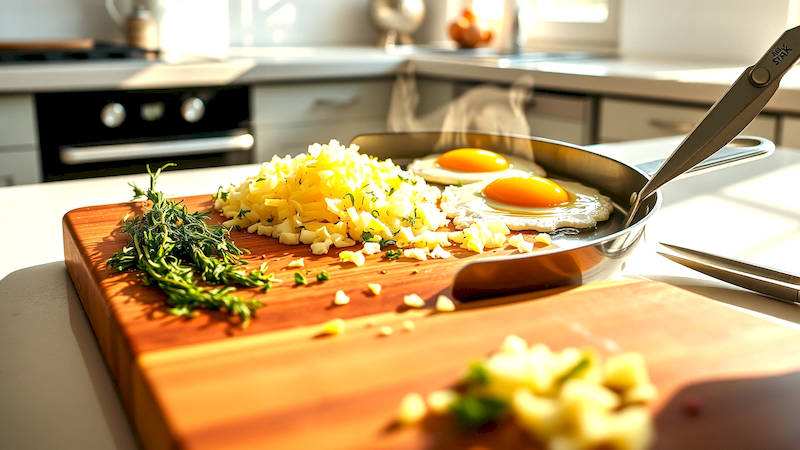
The kitchen is often the heart of the home, a place for creation, nourishment, and connection. Yet, it can also be a source of minor frustration – the endless small tasks that eat into precious cooking time. One of these is chopping herbs. While beautiful and essential for flavor, finely chopping herbs with a knife and cutting board can feel tedious, especially when dealing with delicate leaves or large quantities. For years, cooks have relied on this traditional method, but a simple, often overlooked tool offers a surprisingly effective and efficient alternative: kitchen shears. This article will delve into the art of using kitchen shears to chop herbs directly into your dishes or containers, bypassing the cutting board altogether, exploring its benefits, techniques, best practices, and addressing potential concerns. We'll uncover why this simple hack can significantly streamline your prep work and elevate your culinary experience.
The traditional method of herb chopping isn't inherently bad; it’s just… slower. And creates more cleanup. Think about how many times you’ve grabbed a handful of cilantro, parsley, or chives, only to find yourself washing a cutting board and knife afterwards for a relatively small amount of chopped herb. This seemingly insignificant task adds up over time. Beyond the time savings, using kitchen shears offers a level of control and finesse that can be difficult to achieve with a knife, particularly for delicate herbs prone to bruising. This results in brighter, more flavorful herbs and a quicker route to a delicious meal.
- The Advantages of Shears Over a Cutting Board
- Choosing the Right Kitchen Shears for Herb Chopping
- The Technique: Mastering the Shears Chop
- Herbs That Thrive with the Shear Chop
- Addressing Concerns: Cleanliness and Herb Types
- Beyond Chopping: Other Uses for Kitchen Shears with Herbs
- Conclusion: Revamp Your Herb Prep Today
The Advantages of Shears Over a Cutting Board
Using kitchen shears to chop herbs isn't just about speed; it's a paradigm shift in kitchen efficiency, offering several compelling advantages over the conventional knife-and-board approach. The most obvious benefit is the reduced cleanup. By eliminating the cutting board, you drastically decrease the number of dishes you need to wash. This is particularly valuable when you’re in the middle of a complex recipe or cooking a quick weeknight meal. Moreover, the direct-to-pot (or bowl) method minimizes flavor loss. Herbs release their essential oils when cut, and exposure to air can diminish their potency over time. Shears allow you to add the chopped herbs directly to your dish, minimizing this loss.
Beyond cleanup and flavor preservation, kitchen shears offer improved control, especially when dealing with leafy herbs like basil and mint. A knife can sometimes crush or tear delicate leaves, releasing bitter compounds. Shears, on the other hand, provide a clean, scissor-like cut, preserving the leaf structures and maximizing flavor. This is particularly important for herbs used as garnishes, where visual appeal is just as crucial as taste. Consider the difference between coarsely chopped parsley sprinkled on roasted potatoes versus a finely minced, vibrant green scattering. The latter is achievable more consistently with shears.
Finally, safety is an often-overlooked benefit. For individuals with limited dexterity or those prone to small knife slips, kitchen shears can offer a more secure and comfortable chopping experience. The larger handles provide better grip, and the scissor action feels more intuitive and controlled than maneuvering a knife across a moving surface.
Choosing the Right Kitchen Shears for Herb Chopping
Not all kitchen shears are created equal. While any pair can technically chop herbs, investing in a quality set specifically designed for kitchen use will yield far better results and longevity. Look for shears constructed from high-quality stainless steel. This ensures durability, resistance to rust, and the ability to maintain a sharp edge. Avoid shears with plastic handles that may crack or become brittle over time. Ergonomic handles are key, especially if you’ll be doing a lot of chopping.
Consider the features that make shears particularly suited for herb work. Some shears come with micro-serrated blades, which provide a superior grip on slippery leaves and prevent them from sliding during cutting. Others feature a separating design, allowing you to disassemble the shears for thorough cleaning, crucial for preventing flavor transfer between different herbs. According to a Consumer Reports review published in 2023, shears with a blade length of around 8-9 inches provided the best balance of control and efficiency for various kitchen tasks, including herb chopping. While price isn’t always an indicator of quality, spending a little more on a well-built pair of shears is a worthwhile investment that will save you time and hassle in the long run.
The Technique: Mastering the Shears Chop
Once you’ve selected your shears, it’s time to learn the technique. The key to success lies in a combination of proper grip, blade angle, and cutting motion. Hold the herb bundle firmly in one hand, gathering a reasonable amount – not so much that it overwhelms the shears, but enough to make the process efficient. Generally, a handful of herbs about 1-2 inches in diameter is a good starting point.
Position the shears so that one blade is resting against your index finger (carefully!) as a guide, while the other blade is free to move. This provides control and prevents you from cutting your finger. Begin cutting with a rhythmic, scissor-like motion, working your way through the bundle in small increments. For a coarse chop, make wider cuts; for a finer chop, make smaller, more frequent cuts. Don't try to chop the entire bundle in one go. Instead, work in sections, continuously rotating the herbs in your hand to ensure an even chop. A helpful tip is to angle the shears slightly as you cut, creating a cascading effect that helps the chopped herbs fall directly into your pot or bowl.
Herbs That Thrive with the Shear Chop
While almost any herb can be chopped with kitchen shears, some respond particularly well to this method. Soft, leafy herbs like basil, parsley, cilantro, chives, and mint are ideal candidates. Their delicate nature makes them prone to bruising with a knife, but shears provide a clean, precise cut that preserves their delicate flavor and texture.
More robust herbs like rosemary, thyme, and oregano can also be successfully chopped with shears, but may require a slightly stronger grip and more deliberate cutting motion. For these tougher herbs, removing the leaves from the stems before chopping can make the process easier. Generally, herbs with thinner leaves benefit the most. Think about the difference between trying to mince a bunch of rosemary sprigs versus a pile of flat-leaf parsley. The parsley will yield a much fluffier, more uniformly chopped result with the shear method.
Addressing Concerns: Cleanliness and Herb Types
One common concern regarding using shears directly into a recipe is cleanliness. To address this, ensure your shears are thoroughly cleaned and sanitized after each use. Dishwasher-safe shears are a convenient option, but hand washing with hot, soapy water is equally effective. It's also crucial to avoid using the same shears for both raw and cooked ingredients. Designate a separate pair of shears specifically for herb chopping to prevent cross-contamination.
Some cooks worry about the shears affecting the flavor of the herbs, particularly if they’ve been used for other tasks. Again, dedicated shear use alleviates this concern. Furthermore, the brief contact time between the shears and the herbs doesn’t typically impart any noticeable flavor. A quick rinse with vinegar can also help neutralize any lingering odors or tastes. Another occasional concern relates to sticky herbs, like chives, which can leave residue on the blades. A bit of hot water and dish soap will resolve this stickiness.
Beyond Chopping: Other Uses for Kitchen Shears with Herbs
The versatility of kitchen shears extends far beyond simple chopping. They’re invaluable for removing herb leaves from stems, especially for woody herbs like rosemary and thyme. Simply grip the stem and slide the shears along its length, stripping the leaves in seconds. Shears can also be used to trim and shape herb plants, promoting healthy growth and a more abundant harvest.
For drying herbs, shears make quick work of snipping sprigs and hanging them to dry. And if you’re making infused oils or vinegars, shears can precisely cut the herbs for optimal flavor extraction. Essentially, consider your kitchen shears as a multi-tool for all things herbal – a single implement that can handle a wide range of tasks, from start to finish. Their precision and efficiency are assets throughout the entire herb-utilization process.
Conclusion: Revamp Your Herb Prep Today
Using kitchen shears to chop herbs is a simple yet transformative kitchen hack that offers significant benefits in terms of speed, cleanliness, flavor preservation, and ease of use. By ditching the cutting board and embracing this technique, you can streamline your cooking process, reduce cleanup time, and elevate the quality of your dishes. Investing in a quality pair of shears, mastering the technique, and understanding which herbs thrive with this method will unlock a new level of efficiency and enjoyment in the kitchen.
Don't be afraid to experiment with different chopping styles to achieve your desired consistency. Start with a small handful of herbs and practice until you feel comfortable and confident. The key takeaway is to embrace the simplicity and effectiveness of this often-overlooked tool. So, the next time you reach for parsley, cilantro, or basil, skip the board – grab the shears and experience the difference! Your taste buds, and your washing up bowl, will thank you.
Deja una respuesta