
Using Smart Home Devices to Automate Morning Tasks
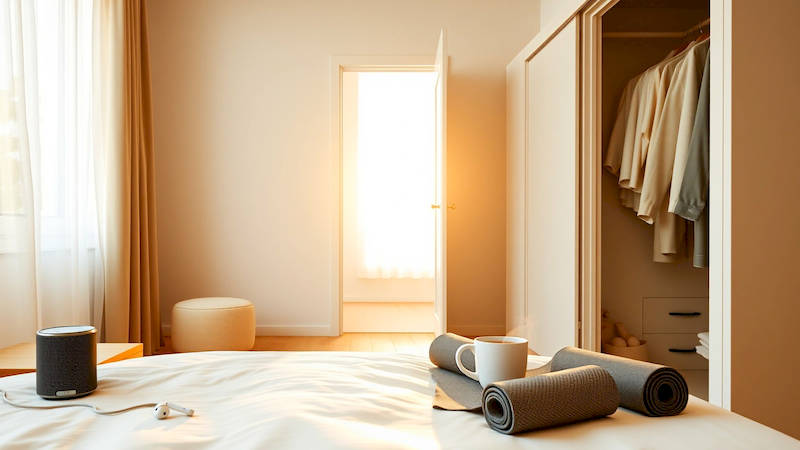
The morning. For some, it's a peaceful rise with a cup of coffee. For many others, it's a frantic scramble against the clock, a chaotic attempt to prepare for the day while still half-asleep. In today's fast-paced world, reclaiming those precious morning moments – and reducing the associated stress – is more important than ever. But what if you could offload some of the typical morning tasks, freeing up your time and mental energy for a more intentional start to the day? This is where the power of smart home automation comes into play. Integrating smart devices isn’t about creating a futuristic, overly-complex home; it's about leveraging technology to simplify your life, starting with a smoother, more efficient morning routine.
The benefits extend beyond simply saving time. A well-automated morning routine can positively impact your mood, productivity, and overall well-being. Reducing decision fatigue early in the day—the burden of constantly making small choices—can have a significant ripple effect throughout your hours. Furthermore, the accessibility features of many smart home devices can empower individuals with mobility limitations or other challenges to navigate their mornings with greater independence. We’ll explore the various ways to intelligently automate your mornings, providing actionable insights to create a routine that truly works for you.
- Waking Up Smarter: Beyond the Traditional Alarm Clock
- Brewing a Perfect Start: Automated Kitchen Convenience
- Getting Ready in Style: Smart Bathroom Automation
- Information at a Glance: Voice-Activated Briefings
- Securing Your Home & Readying for Departure: Automation for Peace of Mind
- Optimizing Your Routine: Integration and IFTTT
- Addressing Concerns: Cost, Complexity, and Privacy
Waking Up Smarter: Beyond the Traditional Alarm Clock
The traditional, jarring alarm clock is often the bane of a good morning. It abruptly pulls you from restful sleep, leading to grogginess and a less-than-ideal start. Smart home technology offers a far more gentle and nuanced approach to waking up. Smart lights, for example, can be programmed to gradually increase in brightness over 15-30 minutes, mimicking a natural sunrise. This gentle illumination signals your body to wake up more naturally, reducing the production of cortisol (the stress hormone) and promoting a feeling of alertness. Similarly, smart blinds can automate the opening of your window coverings, further contributing to a more organic wake-up experience.
Beyond light, sound plays a crucial role. Instead of a blaring alarm, you can choose to wake up to calming nature sounds, your favorite music playlist, or even a simulated birdsong. Several smart speakers, like Amazon Echo and Google Home, integrate seamlessly with sleep tracking apps (such as Sleep Cycle) and can intelligently adjust the wake-up time based on your sleep stages, waking you during a period of lighter sleep for a less disoriented feeling. Consider pairing this with a ‘smart diffuser’ that gradually releases energizing essential oils like peppermint or citrus as you wake.
However, it's vital to be mindful of over-reliance on technology. Some experts caution against becoming completely dependent on automated wake-up systems, suggesting the importance of maintaining a natural circadian rhythm whenever possible. Incorporating these smart devices as complements to, rather than replacements for, healthy sleep habits is key.
Brewing a Perfect Start: Automated Kitchen Convenience
The kitchen is often a focal point of morning chaos. From brewing coffee to preparing breakfast, the sheer number of tasks can be overwhelming. Smart home devices offer a variety of solutions to streamline these processes. Perhaps the most popular is the smart coffee maker, which can be programmed to start brewing your coffee at a set time or even controlled remotely via a smartphone app. Waking up to the aroma of freshly brewed coffee is a simple yet profoundly satisfying way to enhance your morning.
Beyond coffee, consider automating other breakfast essentials. Smart ovens can be preheated remotely, shortening cooking times for pastries or breakfast casseroles. Instant Pots, also controllable via app, can be set to begin cooking oatmeal or porridge overnight, ensuring a warm, nutritious breakfast awaits you. For those who enjoy a smoothie, a smart blender can even be programmed to blend ingredients at a designated time - though careful planning and ingredient preparation are vital to prevent a morning mess! “The key with kitchen automation isn't about replacing the act of cooking," says food tech analyst, Sarah Miller, "it's about removing the friction from the process, making it easier to prioritize a healthy and enjoyable breakfast.”
Before investing, assess your typical breakfast routine. What tasks consistently eat up your time? Automating those specific procedures will yield the greatest benefits and make the most significant impact on your morning schedule.
Getting Ready in Style: Smart Bathroom Automation
The bathroom is another area ripe for smart home integration. While a fully automated bathroom might seem like a distant dream, several readily available devices can significantly simplify your getting-ready routine. Smart mirrors, for instance, can display the weather forecast, news headlines, and your daily schedule while you brush your teeth. Some models even incorporate built-in voice assistants and can be integrated with other smart home devices.
Furthermore, a smart shower system can remember your preferred water temperature and pressure, ensuring a consistently comfortable shower experience. Smart bathroom scales can track your weight and body composition, sending the data directly to your fitness app. Even subtle additions like a smart toothbrush with personalized brushing recommendations can contribute to a more efficient and effective hygiene routine.
It is worth noting the potential privacy concerns associated with smart bathroom devices, especially those with cameras or microphones. Prioritize devices with robust security features and regularly review their privacy settings to safeguard your personal information.
Information at a Glance: Voice-Activated Briefings
Staying informed is essential, but sifting through news articles or scrolling through social media first thing in the morning can be time-consuming and overwhelming. Voice-activated assistants, such as Amazon Alexa and Google Assistant, provide a powerful solution. You can create a customized “morning briefing” that delivers a curated selection of information – including the weather forecast, news headlines, traffic updates, and upcoming calendar events – in a concise and convenient format.
The real power lies in the customization. Specify the news sources you prefer, the types of information you want to receive, and the duration of the briefing. You can even integrate your smart home devices into the briefing, asking your assistant to control lights, adjust the thermostat, or play music. Constantly refining your briefing based on your evolving needs ensures you start your day informed, prepared, and in control. “Voice assistants are becoming the central nervous system of the smart home,” says tech industry analyst, David Chen, "and the morning briefing is one of the most valuable use cases.”
Securing Your Home & Readying for Departure: Automation for Peace of Mind
As you prepare to leave for the day, one of the last things you want to worry about is whether you remembered to lock the doors or turn off the lights. Smart home security systems take the stress out of this final check. Smart locks can be controlled remotely via a smartphone app, allowing you to lock or unlock your doors from anywhere. You can even create scheduled locking routines, ensuring your home is always secure.
Integrating your security system with other smart home devices amplifies its effectiveness. For example, you can program your lights to automatically turn off when you lock the doors, and your thermostat to adjust to an energy-saving mode. Additionally, smart cameras allow you to remotely monitor your home’s interior and exterior, providing peace of mind while you’re away. “The convenience of remote access and control is a huge selling point for smart home security systems,” notes security expert, Emily Carter, “but it’s also crucial to ensure the system is properly secured against hacking and cyber threats.”
Optimizing Your Routine: Integration and IFTTT
The true potential of smart home automation is unlocked through integration. Simply having individual smart devices isn't enough; they need to work together seamlessly to create a truly automated experience. Most smart home ecosystems (such as Amazon Alexa, Google Home, and Apple HomeKit) offer some level of integration, allowing you to control multiple devices from a single app or voice command.
However, for more advanced automation, consider using a service like IFTTT (If This Then That). IFTTT allows you to create custom "applets" that connect different smart home devices and services, enabling a wide range of automated actions. For example, you can create an applet that automatically lowers your thermostat when you leave for work, or turns on your living room lights when the sun sets. The possibilities are virtually limitless.
Experiment with different applets and configurations to find the combinations that best suit your needs and preferences. Don’t be afraid to iterate and refine your routines over time – the goal is to create a truly personalized and efficient morning experience.
Addressing Concerns: Cost, Complexity, and Privacy
While the benefits of smart home automation are compelling, it’s essential to acknowledge potential drawbacks. The initial cost of purchasing and installing smart devices can be substantial. Moreover, setting up and configuring these devices can be complex, especially for those who are less tech-savvy. Finally, privacy concerns are legitimate – with connected devices collecting data about your habits and routines.
However, the cost of smart home technology is steadily decreasing, and many affordable options are now available. Furthermore, manufacturers are increasingly focusing on user-friendliness, making setup and configuration easier than ever before. To mitigate privacy risks, choose devices from reputable brands with strong security features, review privacy policies carefully, and regularly update firmware and software. A phased approach – starting with a few key devices and gradually expanding your smart home ecosystem – can help you control costs and complexity.
In conclusion, automating your morning routine with smart home devices is about more than just saving time. It’s about reclaiming control over your mornings, reducing stress, and setting yourself up for a more productive and fulfilling day. By intelligently integrating smart lights, coffee makers, voice assistants, and security systems, you can transform your morning from a chaotic scramble into a smooth, enjoyable experience. Remember to prioritize your individual needs and preferences, address potential privacy concerns, and take a phased approach to implementation. The key takeaway is this: a smarter morning doesn’t require a complete overhaul; it simply requires a strategic use of technology to optimize the way you start your day. Begin by identifying one or two pain points in your current morning routine and explore how smart home solutions can address them—and then, step by step, build towards a sunrise you truly look forward to.
Deja una respuesta