
Creating a family minimalist morning routine for busy households
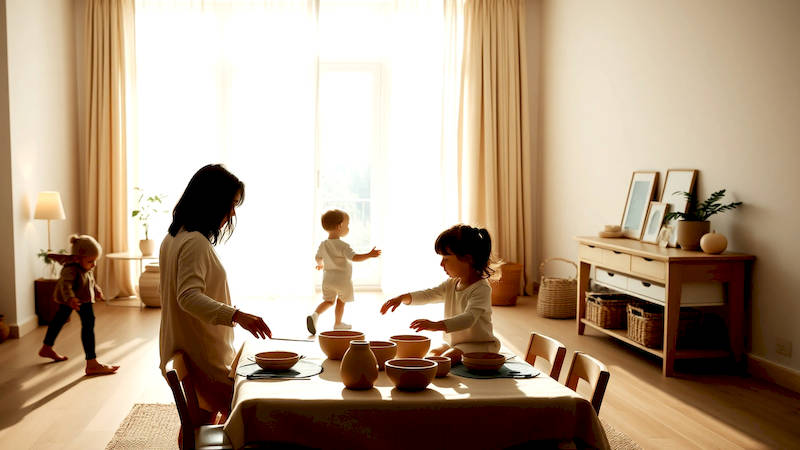
The morning. For many families, it’s a frenzied scramble of locating socks, packing lunches, and rushing to meet the demands of the day. This chaotic start often sets a stressful tone that permeates the entire day, leaving everyone feeling frazzled and depleted. But it doesn’t have to be this way. Embracing a minimalist approach to your family’s morning routine can dramatically reduce stress, increase calm, and even create space for connection before the world intrudes. This isn’t about waking up at 5 am to meditate (unless that’s your jam!), but about intentionally streamlining and simplifying the rituals that kickstart your day, focusing on what truly matters.
Minimalism, in the context of family life, isn’t about deprivation; it’s about intentionality. It's about removing the excess – the clutter, the commitments, the nagging to-dos – so that you can make room for what brings genuine joy and fulfillment. For families, a minimalist morning routine can translate to more time for quality interactions, a more peaceful environment, and a greater sense of control amidst the daily demands. Numerous studies show that a calm morning routine correlates with improved emotional regulation and academic performance in children, as well as reduced stress levels for parents.
This article will guide you through creating a family minimalist morning routine that moves beyond mere survival and towards a more intentional and peaceful start to the day. We'll explore practical strategies, address common challenges, and provide actionable steps to help your family thrive, not just survive, those precious morning hours. The core principle is simple: less stuff, fewer decisions, more presence.
Decluttering the Physical & Mental Load
Before you can create a streamlined routine, you need to address the physical and mental clutter that often contributes to morning mayhem. This isn’t just about tidying up toys (though that’s important too!), it’s about taking a hard look at everything that eats into your morning time and energy. Start with the visible clutter – toys, paperwork, coats, bags. Create dedicated "homes" for everything, making it easier to put things away quickly. Consider a "launchpad" area near the door for backpacks, shoes, and outerwear.
Beyond the physical, decluttering also involves simplifying decision-making. Lay out clothes the night before. Pre-pack lunches or at least prepare ingredients. Have a designated breakfast plan for the week to eliminate the "what should we have?" debate. As Joshua Becker, author of The Minimalists, describes, “Minimalism isn't about living with the fewest possible possessions. It’s about living with the possessions we need and that bring us joy. It’s about removing distractions.” Applying this to mornings means removing choices that don't contribute to a positive start.
Finally, assess commitments. Are there too many early morning activities? Can anything be rescheduled or delegated? Over-scheduled mornings are the enemy of calm. Prioritize what’s truly essential and say "no" to everything else. Remember, protecting your family's morning peace is an investment in everyone's well-being.
Establishing a Visual Morning Checklist
Once you’ve decluttered, it's time to establish a clear, visual checklist of morning tasks. This is especially helpful for younger children who thrive on predictability and structure. The checklist doesn't need to be elaborate; simple picture charts for pre-readers or written lists for older children are effective. Include tasks like getting dressed, brushing teeth, eating breakfast, packing backpack, and making the bed.
The visual aspect is key. It provides a sense of accomplishment as each task is checked off, fostering independence and reducing nagging from parents. Laminate the checklists and use dry-erase markers for reusability. Encourage children to take ownership of their checklist and work through it independently, with gentle guidance as needed. Consider offering small, non-material rewards for completed checklists, like extra story time or a special cuddle.
Breaking down tasks into smaller, manageable steps can also be helpful. For example, instead of "Get Ready," break it down into "Get Dressed," "Brush Teeth," and "Comb Hair." This makes the process less overwhelming, particularly for children who struggle with transitions. A morning checklist isn’t about rigid control; it's about empowering children to participate in creating a smooth and peaceful start to the day.
Simplifying Breakfast & Meal Prep
Breakfast often becomes a significant source of morning stress. Cereal spills, toast burning, and endless requests for different items can quickly derail the entire routine. Simplifying breakfast is crucial for a minimalist morning. Pre-planning is essential. Consider a rotation of 3-5 easy, healthy breakfast options. Overnight oats, yogurt with granola and fruit, whole-wheat toast with avocado, or scrambled eggs are all quick and nutritious choices.
Meal prepping on the weekend can save a significant amount of time during the week. Chop fruits and vegetables, portion out yogurt, or make a batch of breakfast burritos that can be easily reheated. Involve children in the process, assigning them age-appropriate tasks like washing fruit or stirring ingredients. This not only lightens your load but also teaches them valuable life skills.
Consider a “breakfast bar” setup where healthy options are readily available for self-service. This empowers children to make choices within a pre-approved range, reducing decision fatigue and streamlining the process. Minimize sugary cereals and processed foods, opting for whole grains, fruits, and protein-rich options to fuel energy and focus. According to research from the National Institutes of Health, children who eat breakfast regularly demonstrate improved cognitive function and academic performance.
Creating a Tech-Free Zone (At Least Initially)
The temptation to reach for phones and tablets first thing in the morning is strong, but starting the day with screens can exacerbate stress and anxiety. Designate at least the first 30-60 minutes of the morning as a tech-free zone. This allows everyone to wake up gradually, connect with each other, and focus on the tasks at hand without the constant distraction of notifications and social media.
This doesn’t mean you need to ban technology entirely. But delaying screen time until after everyone is dressed, fed, and ready for the day can make a significant difference. Use the tech-free time for meaningful interactions: reading together, playing a quick game, or having a conversation about the day ahead. This intentional connection fosters a sense of calm and strengthens family bonds.
For parents, this can be particularly challenging. Resist the urge to check emails or scroll through social media. Instead, use the time for mindfulness practices, like deep breathing or meditation, to set a positive tone for the day. The goal is to create a peaceful and present environment, free from the demands of the digital world.
Embracing "Quiet Time" Before the Rush
Adding a period of “quiet time” – even just 10-15 minutes – before the full-blown morning routine begins can be incredibly beneficial. This allows everyone to wake up gently and transition into the day without feeling immediately rushed. Encourage everyone to engage in a quiet activity of their choice: reading, drawing, journaling, or simply sitting and enjoying a moment of stillness.
Quiet time isn’t about enforcing silence; it’s about creating a space for individual reflection and calm. It allows children to regulate their emotions and prepare mentally for the day. This is particularly helpful for children who struggle with transitions or have high energy levels. A period of quiet contemplation can also benefit parents, providing a moment to center themselves before facing the demands of the day.
Consider dimming the lights and playing soft music during quiet time to create a peaceful atmosphere. This signals to everyone that it’s time to slow down and relax. It’s a simple addition to the routine that can have a profound impact on the overall mood and energy of the household.
Regular Review and Adaptation
A minimalist morning routine isn't a one-size-fits-all solution. It requires regular review and adaptation to meet the changing needs of your family. What works for a toddler will be different from what works for a teenager. Regularly check in with family members to gather feedback and identify areas for improvement.
Are there tasks that are consistently causing stress or delays? Are there activities that could be simplified or eliminated? Be willing to experiment and adjust the routine as needed. The key is to remain flexible and open to change.
Don't be afraid to revisit your decluttering efforts periodically. As children grow and interests change, their needs will evolve. Regularly assess what’s working and what’s not, and make the necessary adjustments to ensure that your morning routine continues to serve your family effectively. A minimalist lifestyle is a continuous process, not a destination.
In conclusion, creating a minimalist family morning routine is a powerful investment in your family’s well-being. It’s about intentionally designing a calmer, more peaceful start to the day by decluttering both physical and mental space, establishing clear routines, and prioritizing connection over chaos. Remember, the goal isn't perfection, but progress. Start small, focus on consistency, and be patient with yourselves. Key takeaways include: prioritize pre-planning and decluttering, utilize visual checklists for accountability, and protect the first portion of the morning as a tech-free zone. By embracing these principles, you can transform your mornings from a source of stress into a moment of calm and connection, setting a positive tone for the entire day. The actionable next step? Choose one small change from this article and implement it tomorrow morning. You might be surprised at the difference it makes.
Deja una respuesta