
Creating a Zen-Inspired Minimalist Meditation Corner
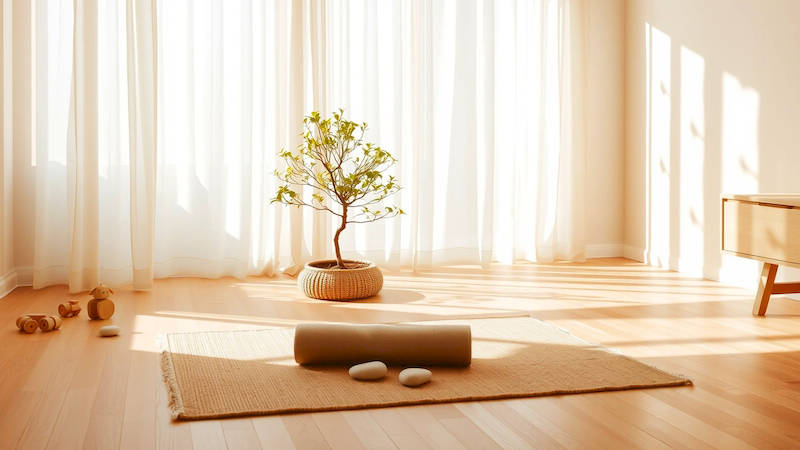
In our increasingly fast-paced and digitally saturated world, the need for intentional calm and mindful presence has never been greater. Stress, anxiety, and a constant feeling of being overwhelmed are pervasive, leading more and more individuals to seek practices like meditation for solace and wellbeing. However, simply deciding to meditate isn’t always enough. Having a dedicated space – a sanctuary – that fosters stillness and supports the practice is crucial. This is where the principles of minimalist design intersect beautifully with the ancient traditions of Zen, allowing us to craft a meditation corner that is both aesthetically pleasing and deeply conducive to inner peace.
A Zen-inspired minimalist meditation corner isn’t about achieving a perfect Instagram-worthy aesthetic; it’s about minimizing distractions, maximizing comfort, and creating a physical embodiment of the mental clarity we seek through meditation. It’s a deliberate act of shaping our environment to support our intentions. In a society that often equates more with better, the minimalist approach champions the power of less, focusing instead on quality, intention, and the resonant frequencies of simplicity. The practice aims to create an environment that reminds you to breathe, to slow down, and to simply be.
This article will guide you through the process of creating your own Zen-inspired minimalist meditation corner, exploring the key elements – from space selection and color palettes to furniture choices and sensory details – that will transform a simple area into a sacred space for stillness and self-discovery. We’ll delve into the philosophy behind these choices, offering practical advice and actionable steps to create a haven of tranquility within your home.
Defining Your Space and Intentions
Before you begin rearranging furniture or purchasing new items, the first and arguably most important step is to define where your meditation corner will be and, equally importantly, what you hope to achieve within it. The physical location should ideally be a quiet area of your home, with minimal foot traffic and as much separation as possible from noise and distractions. While a dedicated room is ideal, it’s perfectly acceptable – and often more realistic – to utilize a corner of a bedroom, living room, or even a spacious hallway. Consider aspects like natural light and potential views; overlooking a garden or peaceful landscape can be incredibly beneficial, but avoid direct sunlight that could be distracting.
The intention-setting process is about getting clear on the purpose of your meditation practice. Are you aiming to reduce stress, cultivate self-awareness, enhance creativity, or improve sleep? Or perhaps a combination of these? Having a clear intention will inform your design choices. For example, if stress reduction is a primary goal, you might prioritize calming colors and textures. If self-awareness is key, a simpler, more sparse aesthetic might be more appropriate to minimize external stimulation. According to a 2015 study by the National Institutes of Health, even short periods of daily meditation can significantly reduce symptoms of anxiety and depression, highlighting the importance of creating a space that encourages consistent practice.
Once you’ve identified your space and intention, take some time to physically "clear" it. This doesn't just mean physically removing clutter, but also energetically cleansing the area. Burning sage (smudging) or diffusing essential oils like lavender or sandalwood can help create a sense of sacredness and release any stagnant energy. Visualize the space filled with peace, tranquility and the qualities you wish to cultivate during your meditation practice.
The Minimalist Palette: Colors and Materials
Zen aesthetics are rooted in nature, and this translates directly into a calming and minimalist color palette. Think muted tones – soft grays, warm whites, earthy browns, and subtle shades of green and blue. Avoid bright, stimulating colors like red or orange, which can be distracting. The goal is to create a sense of serenity and grounding. A monochromatic scheme can be particularly effective, creating a sense of visual harmony and spaciousness. Within this, layering different textures is key to avoiding a sterile or clinical feel.
Natural materials are paramount to a Zen-inspired aesthetic. Opt for wood, bamboo, cotton, linen, and wool. These materials not only look beautiful but also bring a sense of connection to the earth. Consider a natural fiber rug to define the space, a wooden meditation bench or cushion, and linen curtains to filter light. Avoid synthetic materials whenever possible, as they can feel cold and impersonal. The emphasis is on quality over quantity; investing in a few well-made, natural items will create a more lasting and positive impact than filling the space with inexpensive, mass-produced goods.
Furthermore, avoid overly patterned fabrics or busy artwork. The aim is visual simplicity. A single piece of artwork – perhaps a minimalist landscape painting or a calligraphy scroll – can add a touch of personality without overwhelming the space. Pay attention to the way light interacts with the materials you choose; natural light is ideal, but soft, warm artificial lighting can also contribute to a calming atmosphere.
Furniture & Layout: Prioritizing Comfort & Flow
In a minimalist space, every item should serve a purpose. Forget oversized furniture and elaborate decorations. The core of your meditation corner might include a comfortable meditation cushion (zafu), a low bench (seiza), or a supportive chair. The choice depends on your preferred meditation posture and any physical limitations you might have. Ensure that whatever seating you choose provides adequate support for your spine, allowing you to maintain good posture for extended periods. A small, low table can be useful for holding a candle, incense, or a few meaningful objects, but keep it uncluttered.
Layout is crucial. Arrange the furniture in a way that promotes a sense of flow and open space. Avoid blocking doorways or creating obstacles. If possible, orient your seating towards a focal point – a window with a view, a piece of artwork, or a simple altar. According to Feng Shui principles, the direction you face during meditation can also influence the energy flow and affect the outcome of your practice. Consider experimenting with different orientations to see what feels most comfortable and conducive to your practice.
Keep the floor clear to allow for movement and flexibility. You may want to incorporate a small shelf or storage basket to hold blankets, eye pillows, or other meditation accessories, but avoid overfilling it. The goal is to create a visually calming space that invites stillness and introspection. Remember, minimalism isn’t about deprivation; it’s about intentionally curating a space with only the things that truly add value and meaning to your life.
Sensory Details: Sound, Scent & Subtle Stimulation
A truly Zen-inspired meditation corner engages all the senses, but in a subtle and harmonious way. Sound is a critical element. While complete silence is ideal, it’s not always achievable. Instead, focus on minimizing harsh or disruptive noises. If external sounds are unavoidable, consider using a white noise machine, a sound bowl, or calming ambient music to create a more peaceful atmosphere. Binaural beats and guided meditations can also be helpful for deepening your practice, but choose recordings carefully, ensuring they resonate with your personal preferences.
Scent is another powerful tool for creating a relaxing environment. Essential oils like lavender, sandalwood, chamomile, and frankincense are known for their calming properties. A diffuser, incense, or even a simple bowl of potpourri can subtly scent the air, promoting a sense of peace and wellbeing. Be mindful of allergies or sensitivities when choosing scents and avoid anything overpowering. The mindful use of scent should enhance the atmosphere but not dominate it.
Finally, consider adding a few small, meaningful objects that inspire you. This could be a smooth stone, a crystal, a dried flower, or a small statue. These objects should be chosen intentionally and placed in a way that is visually pleasing but not distracting. The goal is to create an environment that is both aesthetically beautiful and deeply personal, reflecting your own unique spiritual journey.
Maintaining Your Sacred Space
Creating a Zen-inspired minimalist meditation corner is just the first step. Maintaining its serenity and functionality requires ongoing effort. Regularly declutter the space, removing any items that are no longer serving a purpose. Dust and clean the area frequently to maintain a sense of freshness and vitality. Dedicate a few minutes each day to simply being in the space, even if you don’t have time for a full meditation session.
Re-evaluate the space periodically to ensure it continues to meet your needs. As your practice evolves, you may find that you want to adjust the layout, change the colors, or add new elements. Be open to experimentation and trust your intuition. Remember, this space is for you, and it should reflect your own evolving journey. According to experts at the Mindful Living Center, consistency is key to reaping the benefits of meditation, so creating and maintaining a dedicated space will significantly increase the likelihood of regular practice.
Consider establishing a ritual of preparing your space before each meditation session. This could involve lighting a candle, burning incense, or simply taking a few deep breaths to center yourself. These small rituals can help signal your mind and body that it’s time to transition into a state of stillness and self-awareness.
Conclusion: Cultivating Inner Peace, One Corner at a Time
Creating a Zen-inspired minimalist meditation corner is more than just a decorating project; it’s a deliberate act of self-care and a commitment to cultivating inner peace. By intentionally minimizing distractions, embracing natural materials, and prioritizing comfort and sensory harmony, you can transform a simple area of your home into a sanctuary for stillness and self-discovery. Remember, the goal isn’t perfection, but intention.
The key takeaways are to define your intentions, embrace a minimalist aesthetic, prioritize natural materials, engage all your senses, and maintain the space with mindful regularity. Start small, focusing on one or two elements at a time. Don't feel pressured to create a perfect meditation corner overnight. The process is just as important as the outcome. Begin by decluttering a small space, adding a comfortable cushion, and incorporating a calming scent. Then, gradually build upon this foundation, adding elements that resonate with you and support your practice. Ultimately, the most important thing is to create a space that feels safe, comfortable, and inviting – a space where you can truly connect with yourself and find stillness in the midst of a chaotic world.
Deja una respuesta