
Creating Functional Minimalist Kitchens with Open Shelving
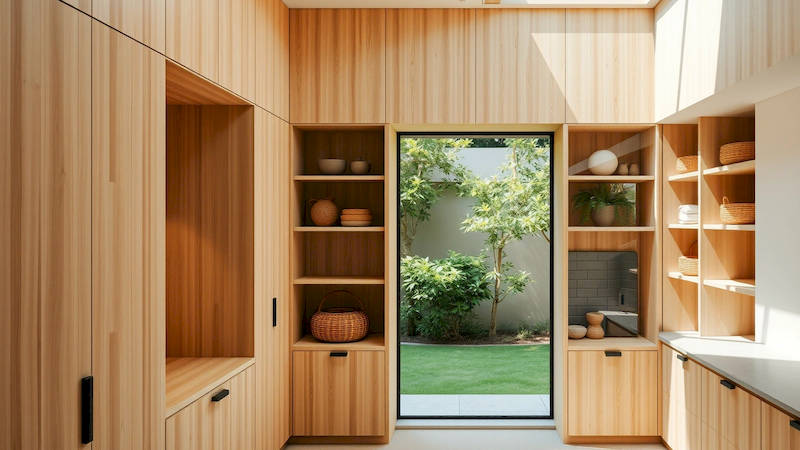
The kitchen, often considered the heart of the home, is a space perpetually wrestling with functionality and aesthetics. In recent years, the minimalist movement has significantly influenced kitchen design, encouraging a shift away from cluttered countertops and overflowing cabinets towards streamlined spaces prioritizing essential items and thoughtful organization. A key element gaining traction within minimalist kitchen design is the incorporation of open shelving. While seemingly counterintuitive – exposing contents rather than concealing them – open shelving, when implemented strategically, can contribute to a lighter, more spacious feel, enhance accessibility, and foster a conscious approach to kitchenware. However, success isn't simply about removing cabinet doors; it's about carefully curated displays and a dedicated commitment to maintaining order. This article will delve into the nuances of creating functional minimalist kitchens with open shelving, providing practical advice and design considerations for a beautiful and efficient space.
Open shelving isn’t merely a trend; it's a reflection of a broader lifestyle shift towards intentionality and visual openness. Many homeowners are actively seeking ways to declutter their lives and create homes that promote calm and well-being. Data suggests a growing interest in minimalist design – a 2023 Houzz survey revealed that 28% of homeowners are prioritizing decluttering and maximizing space in their kitchen renovations. Open shelving aligns perfectly with this ethos, offering a visual reminder of possessions and encouraging a more mindful relationship with belongings. Furthermore, it can be a cost-effective way to update a kitchen's appearance without a full renovation, providing a significant impact with relatively minimal investment.
- The Benefits of Open Shelving in Minimalist Kitchens
- Planning and Preparation: Assessing Your Needs and Space
- Selecting the Right Shelving Materials and Installation
- Curating and Styling: The Art of Intentional Display
- Maintaining Order: Practical Tips for Long-Term Success
- Addressing Common Concerns and Potential Drawbacks
The Benefits of Open Shelving in Minimalist Kitchens
Open shelving offers a multitude of advantages when integrated into a minimalist kitchen design. Beyond the aesthetic appeal of a more open and airy space, it presents several functional benefits. Primarily, accessibility is dramatically improved; frequently used items are immediately visible and within reach, eliminating the need to rummage through stacked cabinets. This is especially beneficial for smaller kitchens or those with limited mobility. Furthermore, open shelving allows for the showcasing of beautiful kitchenware – artisan pottery, vintage glassware, and high-quality cookware can become integral parts of the kitchen’s décor, adding personality and warmth to the minimalist aesthetic.
However, the benefits extend beyond mere convenience and visual appeal. Open shelving can encourage mindful consumption. When possessions are on display, the tendency to acquire unnecessary duplicates is reduced. It creates a natural impetus to declutter regularly, as disorganization is immediately visible. This aligns perfectly with the core principles of minimalist living - owning less and valuing quality over quantity. Expert interior designer Marie Kondo, famous for her KonMari method, emphasizes the importance of surrounding oneself only with items that “spark joy.” Open shelving facilitates this by demanding conscious curation and forcing homeowners to regularly assess the purpose and value of their kitchen contents.
Planning and Preparation: Assessing Your Needs and Space
Before dismantling cabinets, careful planning is crucial. Not all kitchens are suited for entirely open shelving, and a thoughtful assessment of your needs and space will determine the extent to which this design element can be incorporated successfully. Begin by identifying which items you use daily versus those used occasionally. Daily essentials should be prioritized for placement on easily accessible shelves. Consider the weight of items; heavier objects, like cookbooks and cast iron skillets, should be positioned on lower, more robust shelves to ensure safety and stability.
Next, evaluate the style of your kitchen and personal preferences. Open shelving looks particularly effective in kitchens with neutral color palettes and clean lines. If your kitchen is visually busy, consider limiting open shelving to a single accent wall or incorporating it alongside closed cabinetry to create a balanced look. Measuring the available space and considering shelf depth is also critical. Deeper shelves can accommodate larger items but may also appear cluttered more easily. A depth of 10-12 inches is generally sufficient for most kitchenware. Finally, consider the overall aesthetic you are trying to achieve. Do you prefer a highly curated, minimalist display or a more relaxed, lived-in look? This will influence your decisions regarding item arrangement and styling.
Selecting the Right Shelving Materials and Installation
The material of your open shelving plays a significant role in both its aesthetics and durability. Wood is a popular choice, offering warmth and natural texture, but it requires regular maintenance to prevent warping or damage from moisture. Solid wood shelves, such as oak, maple, or walnut, are a durable and timeless option, while reclaimed wood adds character and sustainability. Metal shelving, particularly steel or brass, provides a modern and industrial feel and is known for its strength and longevity.
Installation is equally important. Ensure shelves are securely mounted to wall studs to support the weight of the items they will hold. Using levelers is essential to ensure shelves are straight and stable. Consider the height between shelves; allow enough vertical space to comfortably accommodate your tallest items. For heavier items, it is recommended to use thicker shelving material and more robust mounting hardware. Beyond traditional brackets, concealed shelving systems offer a clean and minimalist look, providing support without visible hardware. When choosing materials and installation methods, consider the overall style of your kitchen and the level of maintenance you are willing to commit to.
Curating and Styling: The Art of Intentional Display
The key to successful open shelving in a minimalist kitchen isn't just what you display, but how you display it. Avoid the temptation to fill every available space. A minimalist aesthetic thrives on negative space, allowing each item to stand out and breathe. Begin by decluttering ruthlessly, removing items that are rarely used or do not align with a minimalist lifestyle. Group similar items together – for example, stack plates and bowls, arrange glasses by size, and dedicate a shelf to cookbooks.
Color coordination can also enhance the visual appeal of open shelving. Opt for a consistent color palette, using neutral tones or incorporating accent colors that complement the kitchen’s overall design. Introduce texture through the use of natural materials like wood, ceramic, and woven baskets. Consider layering items, placing smaller objects in front of larger ones to create depth and visual interest. Don't be afraid to incorporate plants or small decorative objects, but keep it minimal and intentional. The goal is to create a display that is both functional and aesthetically pleasing, reflecting your personal style and promoting a sense of calm and order.
Maintaining Order: Practical Tips for Long-Term Success
Open shelving demands a higher level of ongoing maintenance than closed cabinetry. Dusting shelves weekly is essential to prevent buildup and maintain a clean appearance. Items should be regularly re-organized and decluttered to prevent clutter from accumulating. A helpful strategy is to implement a “one in, one out” rule – whenever you acquire a new kitchen item, commit to getting rid of an old one.
Regularly assess your displayed items, revisiting your initial curation choices. Are you still using everything on display? Does each item still “spark joy”? Be willing to adjust and refine your arrangement as your needs and preferences evolve. Consider utilizing baskets or containers to corral smaller items, preventing them from appearing scattered or disorganized. Lastly, embrace the imperfection of everyday life. While striving for a minimalist aesthetic, it’s important to remember that a lived-in kitchen should feel inviting and comfortable, not sterile or intimidating. Some level of organized chaos is perfectly acceptable.
Addressing Common Concerns and Potential Drawbacks
While open shelving provides numerous benefits, it's important to acknowledge potential drawbacks. The most common concern is dust accumulation. As mentioned previously, regular dusting is critical. For those living in areas with high humidity, consider that food items and porous materials like wood may be more susceptible to moisture damage when exposed. Another concern is visibility of clutter, and the constant need for organization.
However, these concerns can be mitigated with proactive measures. Utilizing glass-fronted shelves in certain areas can protect items from dust while still maintaining the open aesthetic. Investing in airtight containers for storing dry goods helps prevent spills and keeps ingredients fresh. Perhaps the greatest potential drawback is the commitment to discipline needed to maintain the minimalist aesthetic. If you struggle with consistently decluttering and organizing, open shelving may not be the ideal choice for your kitchen.
In conclusion, creating functional minimalist kitchens with open shelving is an attainable goal with careful planning, thoughtful curation, and a commitment to consistent maintenance. While it demands more discipline than traditional cabinetry, the rewards – increased accessibility, a lighter and more spacious feel, and a conscious approach to kitchenware – are well worth the effort. By prioritizing essential items, embracing negative space, and regularly decluttering, homeowners can transform their kitchens into streamlined and inviting spaces that reflect the core principles of minimalist living. Remember, the ultimate goal is to create a kitchen that is not only beautiful but also functional and conducive to a more peaceful and intentional lifestyle. The key takeaway is intention – every item on display should serve a purpose, be visually appealing, and contribute to the overall harmony of the space.
Deja una respuesta