
Decluttering Tips for Maintaining a Minimalist Home Aesthetic
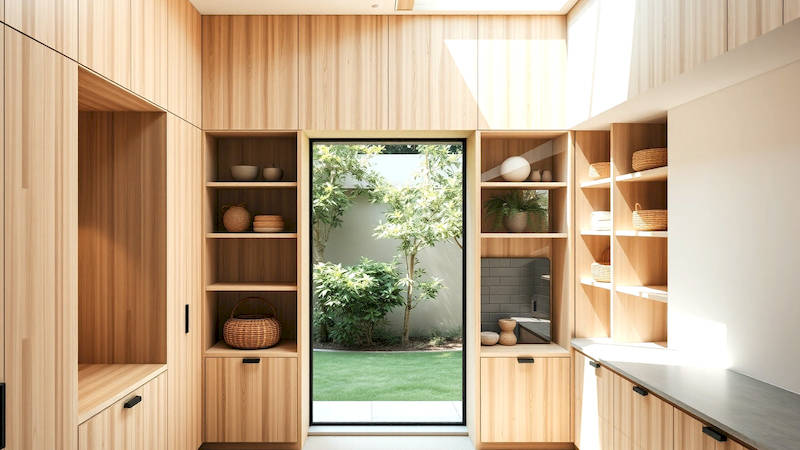
The pursuit of a minimalist home isn’t about stark, empty spaces; it's about intentionality. It’s a conscious choice to prioritize what truly adds value to your life and to eliminate the rest. While the initial decluttering phase often feels liberating, maintaining a minimalist aesthetic is the real challenge. It requires a shift in mindset and the implementation of sustainable habits. Many people fall into the trap of decluttering only to find themselves re-accumulating possessions within months. This article dives deep into practical, actionable strategies to not only achieve but sustain a clutter-free, minimalist home, ensuring it remains a haven of calm and intentional living, rather than a temporary state.
Minimalism is increasingly appealing in a world saturated with consumerism. A 2023 survey by YouGov revealed that 62% of Americans feel overwhelmed by the amount of ‘stuff’ they own. However, simply buying less isn’t enough. Sustaining a minimalist lifestyle requires a proactive approach to managing possessions and resisting the cultural pressures to constantly acquire more. This process isn't about deprivation but about freedom—freedom from the weight of possessions and the mental clutter they create.
This article will explore practical decluttering techniques tailored for ongoing maintenance, focusing on habit formation, mindful consumption, and strategies for handling incoming items. We’ll also address common obstacles and offer solutions to keep your minimalist home feeling serene and functional for years to come.
- The One-In, One-Out Rule (and its Variations)
- Establishing Routine Decluttering "Touchpoints"
- Mindful Consumption: Preventing Clutter Before It Enters Your Home
- The Power of Designated "Homes" for Everything
- Dealing with Sentimental Items: The "Memory Box" Strategy
- The Benefits of Digital Minimalism and Paperless Living
- Reframing "Stuff" as Resources & Donation Strategies:
The One-In, One-Out Rule (and its Variations)
The “One-In, One-Out” rule is a foundational principle for maintaining a minimalist home. This means that whenever you acquire a new item, you must remove a similar item from your home. It's a simple concept, but incredibly effective in preventing the build-up of clutter. For example, if you purchase a new sweater, you must donate or discard an old one. This rule isn't just about quantity; it’s about being mindful of the overall volume of possessions.
However, strict adherence to the one-in, one-out rule isn’t always practical. A more nuanced approach can consider the value of the items involved. Adjustments might include a "Two-Out" rule for lower-value items (like inexpensive t-shirts) or a "Like-for-Like" exchange, specifically if it’s an upgrade to an existing object. Instead of simply getting rid of something, focus on replacing something less useful or loved with something that will truly enhance your life. A helpful adaptation is the ‘Containment’ clause: If an item won't fit within an existing designated space, something must be removed before it's allowed entry.
Successfully implementing this requires a bit of initial assessment. Identify categories prone to accumulation – books, clothes, kitchen gadgets – and be particularly vigilant about these areas. Keep a running mental (or physical) inventory of recent acquisitions to consciously prompt the corresponding removal. As Marie Kondo emphasizes, the goal isn’t simply to remove things, it’s to give them the gratitude they deserve and allow them to find a new home where they will be appreciated.
Establishing Routine Decluttering "Touchpoints"
Decluttering doesn’t have to be a massive, overwhelming project. The key to long-term success is to integrate small, consistent decluttering practices into your daily or weekly routines. These "touchpoints" keep clutter at bay before it becomes a major issue. Think of it as a preventative measure—akin to regular cleaning or preventative healthcare.
A good starting point is a “15-Minute Daily Declutter.” Each day, set a timer for 15 minutes and focus on decluttering one specific area – a drawer, a shelf, a countertop. Don't get sidetracked; just focus on that area for the allotted time. Another effective touchpoint is a “Weekly Reset.” Dedicate 30-60 minutes each week to tidy up, put things back in their designated places, and quickly address any developing clutter hotspots. This is also a good time for a quick scan of surfaces like kitchen counters and dining tables.
Beyond these regular touchpoints, schedule seasonal decluttering sessions. As the weather changes, reassess wardrobes, seasonal decorations, and outdoor gear. Are there items you didn't use during the previous season? Are there items that no longer fit or suit your lifestyle? These seasonal purges prevent unnecessary accumulation of belongings that just take up space.
Mindful Consumption: Preventing Clutter Before It Enters Your Home
Perhaps the most crucial aspect of maintaining a minimalist home is mindful consumption. This means being incredibly deliberate about everything you bring into your space. Before making any purchase, ask yourself a series of crucial questions: Do I truly need this item? Do I already have something that serves a similar purpose? Will this item add genuine value to my life?
Resist the pull of impulse purchases, sales, and marketing tactics. The “30-Day Rule” is helpful here: if you're tempted to buy something non-essential, wait 30 days before making the purchase. Often, the initial desire will subside. Develop a habit of questioning the underlying reason for wanting something new. Are you trying to fill an emotional void? Are you succumbing to social pressure? Understanding your motivations is paramount.
Furthermore, explore alternatives to buying new. Consider borrowing, renting, or purchasing secondhand. These options reduce your environmental impact and prevent unnecessary accumulation of possessions. Focus on investing in high-quality, durable items that will last, rather than cheap, disposable products.
The Power of Designated "Homes" for Everything
A cornerstone of minimalist organization is having a specific "home" for every item in your house. This isn't just about aesthetics; it's about functionality and preventing clutter from accumulating. When everything has a designated place, it's easy to put things away, and it's clear when something is out of place. This simple principle drastically reduces visual clutter and prevents items from migrating and piling up on surfaces.
The key is practicality and accessibility. Items used frequently should be easily accessible, while less frequently used items can be stored in less convenient locations. Utilize vertical space with shelving and storage containers. The containers should be appropriately sized for the items they contain, avoiding wasted space. Labeling containers is also incredibly helpful, particularly for items stored in less visible areas.
Don’t be afraid to reassess these “homes” periodically. As your needs and lifestyle change, the optimal location for certain items may also change. Regularly evaluate whether your current organizational system is still working effectively.
Dealing with Sentimental Items: The "Memory Box" Strategy
Sentimental items are often the biggest hurdle in the decluttering process. They evoke strong emotions and can be difficult to let go of, even if they no longer serve a practical purpose. However, holding onto everything sentimental quickly leads to overwhelming clutter. The key is to be selective and thoughtful.
The “Memory Box” strategy is a useful approach. Designate a limited number of boxes (or containers) specifically for sentimental items. These boxes should be a manageable size – forcing you to be selective about what you keep. Prioritize items that evoke the strongest and most positive memories. Instead of keeping physical objects that represent a memory, consider taking photographs of them. You can create a digital archive that preserves the memory without taking up physical space.
Don't feel guilty about letting go of items, even those with emotional significance. It doesn't diminish the memory itself. Remembering and cherishing a moment doesn't require holding onto the physical object associated with it.
The Benefits of Digital Minimalism and Paperless Living
Extending minimalism beyond physical possessions to the digital realm is incredibly impactful. Digital clutter – overflowing inboxes, countless files, rarely used apps – can be just as overwhelming as physical clutter. Regularly declutter your digital life by unsubscribing from unwanted emails, deleting unnecessary files, and organizing your digital folders.
Similarly, embracing a paperless lifestyle can significantly reduce clutter. Scan important documents and store them digitally. Opt for online statements and bills whenever possible. Invest in a good document management system and regularly back up your digital files. The benefits extend beyond decluttering; it also enhances security and accessibility.
Digital distractions can also detract from mindful living. Setting boundaries around technology use—specifically dedicated “screen-free” times—ensures focus on meaningful activities and mindful presence.
Reframing "Stuff" as Resources & Donation Strategies:
Shifting your perspective on possessions can make decluttering easier. Instead of viewing items as “stuff”, frame them as resources. Items that no longer serve a purpose in your life may be valuable to someone else. This reframing provides a sense of purpose to the decluttering process; you aren't just throwing things away, you are providing resources for someone else.
Research local charities, shelters, and organizations that accept donations. Ensure the items you donate are in good, usable condition. Consider selling valuable items online through platforms like eBay or Facebook Marketplace. For items that are no longer usable, explore recycling options to minimize environmental impact.
Donating proactively, rather than waiting until you're overwhelmed, makes the process less daunting. Schedule regular donation drop-offs to prevent clutter from accumulating.
In conclusion, maintaining a minimalist home aesthetic is an ongoing process—a commitment to intentional living. It's not about achieving a perfectly sparse space, but about curating a home that reflects your values and supports your well-being. Implementing the one-in, one-out rule, establishing routine decluttering touchpoints, practicing mindful consumption, and organizing with designated homes are all crucial components. Most importantly, remember to embrace digital minimalism and view possessions as resources. By consistently applying these principles, you can create and sustain a minimalist home that fosters calm, clarity, and a more fulfilling life. Start small, be patient with yourself, and remember that the goal isn’t perfection, it’s progress.
Deja una respuesta