
Designing a Minimalist Workspace in 50 Square Feet
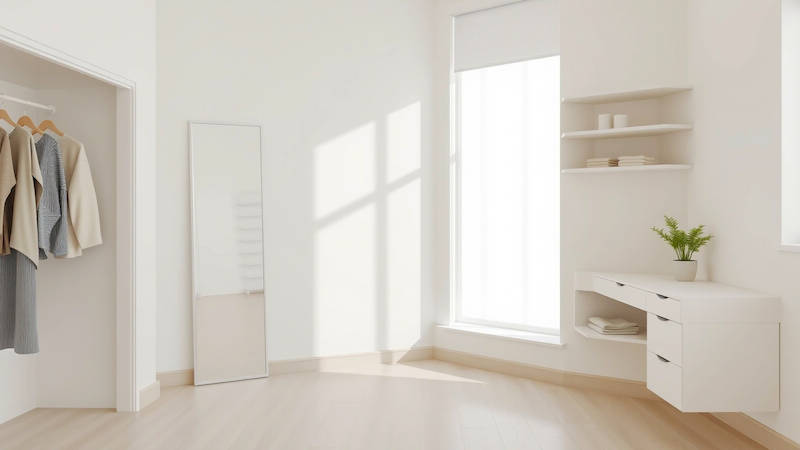
The rise of remote work, coupled with increasing urbanization and smaller living spaces, has led to a significant challenge for many: creating a functional and inspiring workspace within severely limited square footage. The idea of a dedicated home office feels like a luxury when you’re facing 50 square feet – roughly the size of a large walk-in closet – but it’s not an impossibility. In fact, embracing minimalism is often the only viable path to making such a space truly work. This isn’t merely about aesthetics; it’s about optimizing productivity, reducing stress, and creating a boundary between work and personal life, even within the confines of a tiny area. Effective design in a constrained space requires more than just smaller furniture; it demands a fundamental rethinking of how we approach work and the tools we use.
The core principle of minimalist living, particularly when applied to workspaces, is intentionality. Every item must earn its place, serving a clear purpose and contributing to efficiency. A cluttered, cramped workspace isn’t just visually unappealing – it’s actively detrimental to focus and creativity. Studies have shown a direct correlation between physical clutter and heightened cortisol levels (the stress hormone), impacting cognitive function and overall well-being. The goal is to create a serene, focused environment that fosters deep work despite its diminutive size. This article will provide a comprehensive guide to designing a minimalist workspace within those challenging 50 square feet, covering everything from furniture selection to storage solutions and psychological considerations.
- Defining Your Work Style and Needs
- Furniture Selection: Multifunctionality is Key
- Leveraging Vertical Space & Wall Organization
- Implementing Clever Storage Solutions
- Optimizing Light, Color, and Acoustics
- Personalization & Maintaining the Minimalist Aesthetic
- Conclusion: Embracing Intentionality in a Small Space
Defining Your Work Style and Needs
Before diving into specific furniture or storage ideas, the first step is a thorough assessment of your work style. What exactly do you need to accomplish within this space? Are you a writer who primarily requires a laptop and quiet? A graphic designer needing dual monitors and drawing tools? A remote call center employee who needs reliable soundproofing and a headset? Understanding the core functions of your workspace will dictate its design. Simply replicating a typical office setup won’t work; adaptation and prioritization are crucial. Consider the types of tasks you’ll be undertaking 80% of the time, and design around those.
This introspection should extend to your workflow. Do you prefer to spread out documentation, or do you work almost entirely digitally? Are you prone to creative outbursts involving brainstorming notes and sketches, or do you appreciate a more organized, streamlined process? Acknowledging these tendencies – both positive and negative – informs how you select furniture, organize materials, and establish boundaries. Think of this as a functional audit; discard what doesn’t actively contribute to productive work. "The most valuable item in a minimalist space isn’t the one you possess, but the one you’ve intentionally chosen not to," as Joshua Fields Millburn and Ryan Nicodemus, authors of Minimalism: Live a Meaningful Life, often state.
Finally, consider the sensory elements. Minimalist spaces are often characterized by neutral palettes and natural materials which promote calm and concentration. Think about lighting – is natural light available, and if so, how can you maximize it? What about acoustics? If the space is prone to noise, identify potential solutions like sound-absorbing panels or noise-canceling headphones.
Furniture Selection: Multifunctionality is Key
Given the limited footprint, every piece of furniture must pull double duty. Forget large, bulky desks; instead, prioritize compact, adaptable solutions. A wall-mounted, fold-down desk is an excellent option, transforming seamlessly from workstation to storage when not in use. These designs are widely available at various price points and can be customized to fit specific needs. Alternatively, a narrow drafting table can provide ample workspace while maintaining a small overall footprint and allowing for adjusting the angle – useful for drawing or reading.
Chairs are also critical. A traditional office chair is often too large and unwieldy. Opt for a comfortable, ergonomic stool or a compact task chair that can be easily tucked away under the desk when not in use. Look for features like adjustable height and lumbar support for extended comfort. Consider a chair without arms to reduce the overall profile and allow it to be pushed closer to the desk. Storage is where things get interesting. Avoid freestanding cabinets; instead, leverage vertical space with wall-mounted shelves. Stackable drawers and bins offer flexible organization without taking up valuable floor space. Think outwards and upwards rather than sprawling across the limited ground area.
Leveraging Vertical Space & Wall Organization
Maximizing vertical space is the cornerstone of small-space design. Walls aren't just barriers; they are prime real estate waiting to be utilized. Wall-mounted shelves are beneficial, as previously mentioned, but go beyond standard shelving. Pegboards are incredibly versatile, accommodating a wide range of accessories – hooks for hanging headphones, small shelves for stationery, and containers for pens and pencils. They’re easily customizable and visually appealing, adding a touch of personality to the minimalist aesthetic.
Magnetic walls offer another creative storage solution. Use magnetic strips to hold frequently used tools, notes, and even small whiteboards for quick brainstorming. A vertical file organizer mounted on the wall can eliminate the need for a cumbersome filing cabinet. Don't underestimate the power of wall-mounted lighting. A sleek, adjustable LED task lamp saves desk space and provides focused illumination. Furthermore, consider a wall-mounted monitor arm. Freeing the desk from the monitor's base creates significantly more usable workspace.
Implementing Clever Storage Solutions
Traditional storage methods simply won’t cut it in a 50 square foot space. Everything must be concealed, streamlined, and easily accessible. Before investing in storage containers, meticulously declutter your existing materials. Digitalize documents whenever possible to reduce paper clutter. Use cloud storage solutions for files and notes to eliminate the need for physical binders and folders. "Reducing the amount of stuff in our lives takes effort, but the peace of mind it brings is immeasurable," states Marie Kondo, author of The Life-Changing Magic of Tidying Up.
Within the remaining physical items, prioritize multifunctionality. Ottomans with hidden storage can serve as seating and a concealed storage space for office supplies. Under-desk drawers are another space-saving option. Utilize clear containers to easily identify contents, and label everything consistently. Regularly purge unwanted items, donating or discarding them to maintain a clutter-free environment. Consider a rolling cart that can be tucked away when not in use. This provides portable storage for frequently used items, allowing you to move your workspace to different locations if needed.
Optimizing Light, Color, and Acoustics
A small space can feel even smaller if poorly lit, with dark colors, and filled with disruptive sounds. Maximize natural light by keeping windows unobstructed. If natural light is limited, invest in high-quality artificial lighting. LED lights are energy-efficient and provide bright, focused illumination. Layer your lighting – a combination of overhead lighting, task lighting, and ambient lighting – to create a comfortable and productive environment.
When it comes to color, stick to a neutral palette – whites, grays, and beiges – to create a sense of spaciousness. Accent colors can be introduced through artwork or accessories, but keep them minimal. For acoustics, consider incorporating sound-absorbing materials. Rugs, curtains, and wall panels can help dampen noise and create a more peaceful atmosphere. Noise-canceling headphones are also an invaluable investment, especially if you work in a noisy environment.
Personalization & Maintaining the Minimalist Aesthetic
Minimalism isn’t about sacrificing personality; it's about curating it. While the goal is to reduce clutter, a few carefully selected personal items can make your workspace feel more inviting. This could be a small plant (choose low-maintenance varieties), a piece of artwork that inspires you, or a framed photograph of loved ones. However, resist the urge to overdecorate. Each item should have a purpose and contribute to your well-being.
Maintaining the minimalist aesthetic requires ongoing effort. Schedule regular decluttering sessions — even 15 minutes a week can make a significant difference. Adopt a "one in, one out" rule: when you acquire a new item, get rid of something old. This prevents clutter from accumulating over time. The key is to be mindful of your consumption habits and prioritize quality over quantity. This is not just a design choice, but a lifestyle commitment impacting overall well-being and productivity.
Conclusion: Embracing Intentionality in a Small Space
Creating a minimalist workspace in just 50 square feet is undeniably challenging, but incredibly rewarding. It demands a fundamental shift in perspective, prioritizing functionality, intentionality, and decluttering. By carefully assessing your work style, embracing multifunctional furniture, maximizing vertical space, and optimizing light, color, and acoustics, you can transform a cramped area into a productive and inspiring environment. The core takeaway is not deprivation, but purposeful selection. Every item should earn its place, contributing to a serene and focused atmosphere.
Remember to regularly declutter, maintain a neutral color palette, and incorporate a few carefully chosen personal touches. This isn't a one-time project; it's an ongoing process of refinement. Start by identifying the three most cluttered items in your potential workspace and find a new home for them. Then, sketch out a floor plan, focusing on vertical storage solutions. Finally, commit to a daily 5-minute decluttering routine. By taking these actionable steps, you can unlock the potential of your small space and create a workspace that supports your productivity and well-being.
Deja una respuesta