
Essential Minimalist Kitchen Utensils for Efficient Cooking
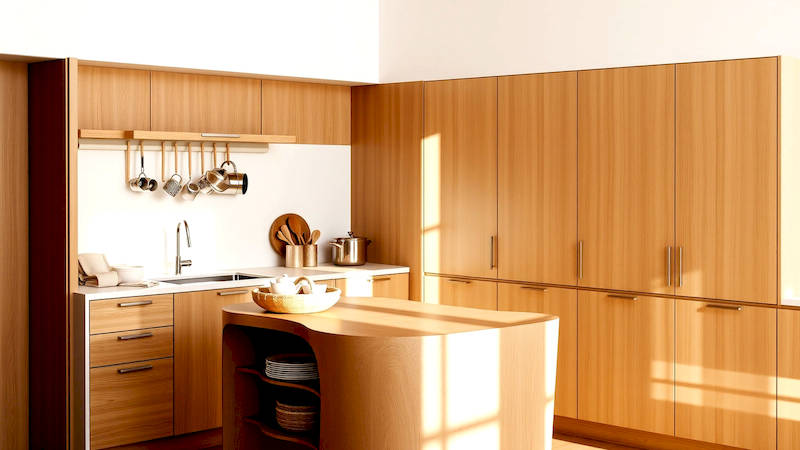
The modern kitchen, often portrayed as a gleaming showcase of gadgets, can easily fall prey to clutter. We accumulate tools we rarely use, lured by promises of effortless cooking or single-purpose functionality. However, the minimalist approach to kitchen utensils isn’t about deprivation; it’s about intentionality. It’s about equipping yourself with a curated collection of high-quality, versatile tools that empower you to create delicious meals without the stress and overwhelm of a packed pantry. A minimalist kitchen fosters a more mindful cooking experience, encourages creativity with what you have, and ultimately saves space, time, and money.
This isn’t a trend, but a return to a more sensible way of living, particularly relevant in today's fast-paced world. Many are seeking ways to simplify their lives, and the kitchen, the heart of the home, is a perfect place to start. Research indicates that decluttering, including in the kitchen, can significantly reduce stress and improve mental wellbeing. In fact, a study by UCLA’s Center on Everyday Lives and Families showed a strong correlation between cluttered homes and elevated cortisol levels (the stress hormone). Embracing a minimalist utensil collection isn’t just about aesthetics; it's about cultivating a healthier, happier relationship with food and your home.
A well-chosen set of minimalist kitchen utensils reduces decision fatigue, speeds up meal preparation, and makes cleaning a breeze. This article outlines the essential tools, emphasizing quality, functionality, and versatility, allowing you to build a kitchen that supports, rather than hinders, your culinary adventures. We'll move beyond the "stuff" and focus on the core principles of a minimalist kitchen, offering practical advice and insightful considerations.
- The Foundation: Core Cutting and Chopping Tools
- The Versatile Cooking Spoons and Spatulas
- The Essential Pots and Pans: Less is More
- Mixing Bowls: A Nested Set is Your Friend
- Utensils for Serving and Measuring: Intentional Choices
- Beyond the Basics: Considering Your Unique Needs
- Maintaining Your Minimalist Kitchen: Care and Longevity
The Foundation: Core Cutting and Chopping Tools
At the heart of almost every recipe is the need to chop, slice, and dice. Investing in a few incredibly sharp, versatile cutting tools is arguably the most important step in building a minimalist kitchen. Forget the sets filled with knives you’ll use once a year; focus on quality over quantity. A chef’s knife, a paring knife, and a bread knife form the essential triad. Prioritize knives made from high-carbon stainless steel for durability, sharpness, and ease of maintenance.
A good chef’s knife, typically 8-10 inches in length, is your workhorse. It can handle everything from chopping vegetables and mincing herbs to carving meats. Look for a full tang (where the metal extends through the handle) for balance and stability. The paring knife (around 3-4 inches) is perfect for smaller tasks like peeling fruits and vegetables, deseeding peppers, and intricate cuts. Finally, a bread knife with its serrated edge, is crucial for cleanly slicing bread, tomatoes, and other delicate items without crushing them. Often overlooked, a quality sharpening steel is paramount; maintaining the edge of your knives is far more cost-effective than replacing them.
Beyond the knives, a sturdy cutting board (or two – one for meat/fish and one for produce) is critical. Choose materials like wood or bamboo that are gentle on your knife blades and resistant to bacteria. Avoid glass or marble cutting boards as they dull knives rapidly. Regularly oiling wooden cutting boards helps maintain their longevity and prevents cracking. Consider a slightly angled cutting board for optimal comfort and wrist support, reducing strain during prep work.
The Versatile Cooking Spoons and Spatulas
Moving from preparation to cooking, the focus shifts to tools for stirring, flipping, and serving. Here, versatility is key. A wooden spoon is a timeless classic, gentle on cookware and capable of handling hot temperatures. Silicone spatulas are equally indispensable, particularly heat-resistant ones, for scraping bowls and pans clean. Opt for spatulas with a single mold construction – these are more hygienic and durable than those with seams.
Beyond these staples, consider a slotted spoon for removing food from liquids and a sturdy metal spatula for flipping and sautéing. Avoid silicone spatulas with inflexible heads; you need a tool that can get under food and lift it cleanly. Many cooks swear by fish spatulas for their thin, flexible blades, suitable for delicate tasks like flipping eggs or transferring pancakes. Experiment to find what suits your cooking style best. The core idea however, is to avoid a drawer full of specialized spatulas.
A crucial aspect often overlooked relates to handle material. Wooden handles can absorb odors over time, while metal handles can become hot. Silicone handles offer a comfortable grip and heat resistance, making them a practical choice for everyday cooking. Choose handles that are comfortable to hold for extended periods, as repetitive strain can lead to discomfort.
The Essential Pots and Pans: Less is More
When it comes to cookware, the temptation to collect every size and type is strong. However, a minimalist approach simplifies cooking and maximizes space. A 10-12 inch skillet (cast iron or stainless steel), a 2-3 quart saucepan with a lid, and a larger 6-8 quart stockpot are the foundational pieces. These three items cover the vast majority of cooking needs. Cast iron skillets are incredibly versatile, transitioning seamlessly from stovetop to oven and providing excellent heat retention.
Stainless steel cookware is durable, easy to clean, and doesn't react with acidic foods. A non-stick skillet can be a useful addition for eggs and delicate fish, but prioritize quality and replace it when the coating begins to degrade. Avoid buying individual specialized pans (like crepe pans or paella pans) unless you use them very frequently. Instead, focus on mastering techniques with your core cookware.
Material choice impacts not just cooking performance but also lifespan. Copper cookware heats quickly and evenly, but requires significant maintenance. Enamel-coated cast iron offers a colorful and non-reactive cooking surface but is prone to chipping. Careful consideration of these trade-offs is paramount in building a minimalist, lasting kitchen.
Mixing Bowls: A Nested Set is Your Friend
Mixing bowls are essential for prepping ingredients, tossing salads, and whisking batter. A nested set of three bowls – small, medium, and large – is the minimalist solution. Stainless steel is a durable, hygienic, and non-reactive option. Glass bowls are also a good choice, but be mindful of potential breakage. Plastic mixing bowls are best avoided, as they can stain, retain odors, and may leach chemicals into food.
Consider bowls with a wide base for stability during mixing and a comfortable lip for pouring. Rubber or silicone bottoms can prevent bowls from sliding around on the countertop. Prioritize bowls that can double as serving dishes, reducing the need for additional serving ware. Many minimalist home cooks also repurpose large measuring cups as small mixing bowls, further reducing clutter.
Utensils for Serving and Measuring: Intentional Choices
Finally, there’s the realm of serving and measuring tools. Opt for a set of measuring cups and spoons made from stainless steel. Avoid plastic measuring tools as they can warp and become inaccurate over time. A serving spoon and fork, along with a salad server set, are all you truly need. Again, look for pieces made from durable materials like stainless steel or wood.
A digital kitchen scale is also highly recommended; baking and precise cooking benefit immensely from accurately weighed ingredients. Many people find that a minimalist approach to serving extends to plating as well - simple, elegant presentation with fewer dishes often enhances the dining experience. The use of multi-functional tools, like a spoon that can be used for both serving and stirring, is at the heart of this intentionality.
Beyond the Basics: Considering Your Unique Needs
While the above tools represent the core essentials, it’s important to acknowledge that individual cooking styles and preferences will vary. If you frequently bake, a whisk and a rolling pin become essential additions. If you are a coffee enthusiast, a French Press or pour-over device will be prioritized. The key is to consciously evaluate your cooking habits and only acquire tools that genuinely support those habits.
The “one in, one out” rule is a useful guideline: when you purchase a new utensil, commit to donating or discarding an existing one. This prevents accumulation and forces you to be mindful of your acquisitions. Consider the storage implications of each item before purchasing it. A utensil that requires a large amount of storage space may not be worth its convenience.
Maintaining Your Minimalist Kitchen: Care and Longevity
A minimalist kitchen is not a static state; it requires ongoing maintenance. Regularly cleaning and sharpening your tools is essential for their longevity. Properly storing utensils protects them from damage and keeps your kitchen organized. Investing in quality knife blocks or magnetic knife strips is a worthwhile investment.
Periodically assess your utensil collection. Are there items you haven’t used in six months? Consider donating them to someone who will appreciate them. This ongoing process of refinement will ensure that your kitchen remains a functional and inspiring space.
In conclusion, building a minimalist kitchen utensil collection isn't about sacrificing functionality; it’s about making informed choices and prioritizing quality over quantity. By focusing on versatile, durable tools, you can create a space that fosters creativity, reduces stress, and simplifies your cooking experience. Remember to continually evaluate your needs, maintain your tools, and embrace the freedom that comes with less. The key takeaways are: prioritize a few high-quality basics, choose versatility and durability, and resist the urge to accumulate single-purpose gadgets. Embrace the joy of cooking with less, and rediscover the efficiency and peace of a truly minimalist kitchen.
Deja una respuesta