
How to Maintain Minimalism with Pets in Small Spaces
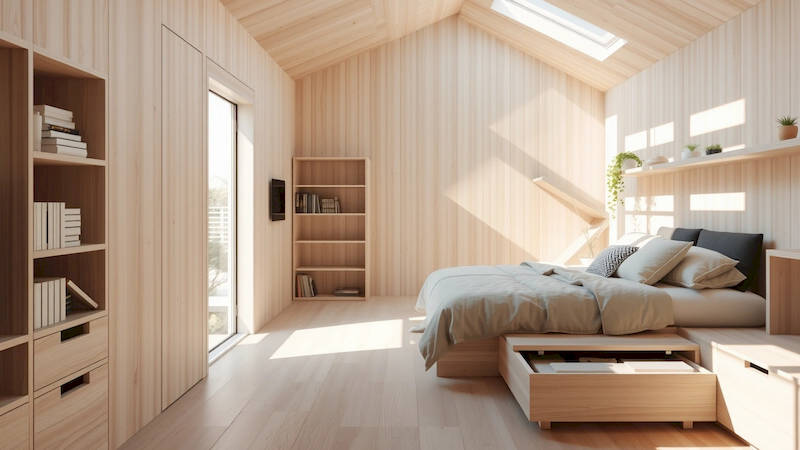
The rise of minimalist living isn't about stark emptiness; it’s about intentionality. It’s a lifestyle focused on quality over quantity, experiences over possessions, and creating a calm, functional environment. However, this mindful approach can seem daunting when you share your compact space with furry, feathered, or scaled companions. Many assume pets and minimalism are mutually exclusive, picturing toy clutter, sprawling pet furniture, and a constant battle against shed hair. This isn't necessarily true. In fact, incorporating pets into a minimalist lifestyle, especially in smaller homes, requires creativity and conscious adaptation, but the result is a surprisingly harmonious and enriching experience for both humans and animals.
The challenge lies in balancing the needs of our beloved pets – their inherent need for play, comfort, and enrichment – with the minimalist ethos of decluttering and intentional living. It's a question of redefining what "enough" looks like, both for ourselves and our animal friends. Successfully navigating this balance requires careful consideration of pet-specific needs, strategic space allocation, and a willingness to embrace mindful consumption when it comes to pet supplies. This article will delve into practical strategies and actionable steps to maintain a minimalist lifestyle without compromising the well-being or happiness of your animal companions, even in tightly packed quarters.
- Re-evaluating Pet “Essentials” and Embracing Multifunctionality
- Smart Storage Solutions for Pet Supplies
- Dedicated Zones, Not Dedicated Rooms: Defining Pet Spaces
- Managing Pet Hair and Odors: Proactive Cleaning Strategies
- Embracing a Mindful Approach to Pet Products
- Conclusion: A Shared Space, A Shared Mindset
Re-evaluating Pet “Essentials” and Embracing Multifunctionality
One of the first steps to maintaining minimalism with pets is a ruthless re-evaluation of what constitutes a "pet essential." Often, pet owners accumulate items out of perceived need or marketing hype, resulting in a mountain of toys, beds, and gadgets that rarely see use. Begin by decluttering. Donate or responsibly discard items your pet doesn't actively engage with. A good rule of thumb: if it hasn’t been used in a month, it’s likely not essential. This isn’t about depriving your pet; it’s about streamlining and ensuring they have access to quality items they genuinely enjoy.
This decluttering process shouldn’t just focus on toys. Critically assess food and water bowls, grooming supplies, and even seasonal items like winter coats. Are there more sustainable and space-saving alternatives? For instance, a collapsible water bowl is ideal for walks, eliminating the need for a dedicated travel bowl at home. Invest in high-quality items that are built to last rather than cheaper replacements that end up contributing to clutter. Finally, embrace multifunctional items. A stylish storage ottoman can double as a pet bed, or a window perch can provide both a sunbathing spot for your cat and a visual break in the space.
A key element of minimalist pet ownership is resisting the urge to constantly buy new things. Many pet owners fall victim to the endless cycle of “spoiling” their pets with new toys or treats, often motivated by guilt or the belief that it demonstrates affection. Instead, focus on engaging with your pet through quality time, play sessions using a few well-loved toys, and providing mental stimulation through training and enrichment activities. Dr. Karen Overall, a renowned veterinary behaviorist, emphasizes the importance of “environmental enrichment” – providing opportunities for physical and mental stimulation – as a core component of responsible pet ownership. This enrichment doesn't always require purchasing new items; it can be achieved through simple activities like hiding treats, creating puzzle toys from cardboard boxes, or simply spending dedicated playtime with your pet.
Smart Storage Solutions for Pet Supplies
Even with a curated selection of essentials, pet supplies inevitably require storage. In small spaces, efficient and creative storage solutions are paramount. Vertical space is your best friend. Utilize wall-mounted shelves, tall cabinets, and over-the-door organizers to maximize storage capacity without taking up valuable floor space. Clear plastic bins are excellent for containing food, treats, and grooming supplies, allowing you to easily see what’s inside. Label everything clearly to maintain organization and avoid unnecessary rummaging.
Consider incorporating storage into existing furniture. A bench with built-in storage can house leashes, collars, and toys. An ottoman with a lift-off lid can conceal blankets or pet beds. Don't underestimate the power of utilizing "dead space" – the area under beds, sofas, or even stairs. Slim storage containers can slide neatly under these areas, providing discreet storage for less frequently used items. For dry food, invest in airtight containers that stack well and minimize visual clutter. These containers also help to keep the food fresh and pest-free.
Beyond physical storage, digital organization can also be beneficial. Keep a digital record of your pet’s vaccination records, medical history, and microchip information. This eliminates the need for bulky paper files and ensures you have easy access to important information when needed. Furthermore, utilize online ordering and auto-ship options for recurring purchases like food and litter. This reduces the frequency of trips to the pet store and limits the temptation to impulse buy.
Dedicated Zones, Not Dedicated Rooms: Defining Pet Spaces
In small spaces, the luxury of a dedicated "pet room" is often unrealistic. Instead, focus on creating designated zones within existing rooms. This approach respects your pet’s need for a defined space while minimizing disruption to your minimalist aesthetic. For dogs, this might be a corner of the living room with a comfortable bed and a designated toy basket. For cats, it could be a window perch or a cozy enclosed bed tucked away in a quiet corner.
The key is to make these zones functional and aesthetically pleasing. Choose pet furniture that complements your existing décor. A sleek, modern dog bed can blend seamlessly into a minimalist living room, while a cat tree can be chosen to match the color scheme and style of your space. Avoid oversized or brightly colored items that will visually overwhelm the room. Even a simple rug can define a pet zone, providing a comfortable surface and visual cue. Regularly tidy up the area and remove any clutter to maintain a sense of calm and order.
Consider your pet’s personality and preferences when designing their zone. Some pets prefer privacy and seclusion, while others thrive on being in the center of the action. Adjust the location and design of the space to meet your pet’s individual needs. A shy cat might benefit from a covered bed in a quiet corner, while a social dog might prefer a bed near the family. The goal is to create a space where your pet feels safe, comfortable, and secure.
Managing Pet Hair and Odors: Proactive Cleaning Strategies
Pet hair and odors are inevitable realities of pet ownership, especially in smaller spaces. However, proactive cleaning strategies can significantly minimize their impact. Invest in a high-quality vacuum cleaner specifically designed for pet hair. A vacuum with a HEPA filter is essential for removing allergens and improving air quality. Regular vacuuming, at least once a week, is crucial for keeping pet hair under control.
Microfiber cloths are excellent for dusting surfaces and trapping pet hair. Dampen the cloth slightly to increase its effectiveness. Lint rollers are a quick and easy way to remove pet hair from clothing and furniture. Keep one handy in multiple locations around the house. Consider using furniture covers to protect your upholstery from pet hair and scratches.
To combat pet odors, focus on regular grooming. Brushing your pet regularly removes loose hair and dander, reducing the amount of allergens and odors in your home. Bathe your pet as needed, using a pet-specific shampoo. Air purifiers with HEPA filters can also help to remove odors and allergens from the air. Finally, address accidents promptly. Clean up any urine or vomit immediately to prevent lingering odors. Enzymatic cleaners are specifically designed to break down pet stains and odors, leaving your home smelling fresh and clean.
Embracing a Mindful Approach to Pet Products
Ultimately, maintaining minimalism with pets isn’t just about decluttering and organizing; it’s about cultivating a mindful approach to acquiring pet products. Before making a purchase, ask yourself: Do I need this item, or do I just want it? Will it truly enhance my pet’s life, or am I simply indulging in impulse buying? Prioritize quality over quantity, choosing durable, well-made items that will last.
Consider secondhand options whenever possible. Thrift stores and online marketplaces are often treasure troves of gently used pet supplies, available at a fraction of the cost of new items. Repairing broken items instead of replacing them is another way to reduce waste and save money. Creative DIY solutions can also be a great way to provide enrichment for your pet without spending a lot of money. For example, you can make a simple puzzle toy from a cardboard box and some treats.
By embracing a mindful approach to pet products, you can minimize clutter, reduce your environmental impact, and create a more sustainable and fulfilling lifestyle for both yourself and your pet. The goal isn’t to eliminate all pet-related possessions; it’s to be intentional about the items you choose to bring into your home, ensuring they are both functional and contribute to a harmonious living space.
Conclusion: A Shared Space, A Shared Mindset
Maintaining minimalism with pets in small spaces isn’t about sacrifice; it’s about adaptation and intentionality. It requires a shift in mindset, a willingness to prioritize quality over quantity, and a commitment to creating a functional and aesthetically pleasing environment that meets the needs of both humans and animals. By re-evaluating “essentials,” implementing smart storage solutions, defining dedicated zones, proactively managing pet hair and odors, and embracing a mindful approach to pet products, you can successfully navigate this balance and enjoy a harmonious living space.
The key takeaways are clear: declutter relentlessly, focus on multifunctionality, and embrace strategic organization. Remember, a minimalist lifestyle isn't about deprivation; it's about creating a space that supports your values and enhances your well-being. And for pet owners, a happy pet is often the most significant element of a well-lived life. By approaching pet ownership with intention and creativity, you can achieve both a minimalist home and a fulfilling relationship with your beloved companions. The journey might require ongoing adjustments, but the rewards – a calm, functional, and harmonious living space – are well worth the effort.
Deja una respuesta