
How to Maintain Minimalist Organization Habits for Long-Term Success
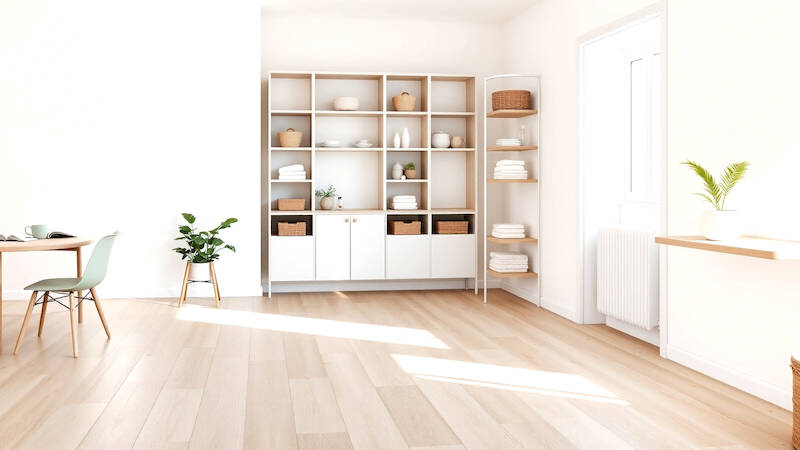
The initial thrill of decluttering – the satisfying donation piles, the visible surfaces, the feeling of liberation – is a powerful motivator for embracing minimalist living. However, many find that maintaining that initial order proves far more challenging than achieving it. Life inevitably introduces new possessions, routines shift, and old habits creep back in, threatening to undo the progress made. Minimalism isn't simply about getting rid of things; it’s about intentionally living with only the things that add value to your life, and that requires consistent effort and a shift in mindset. This article delves into strategies for solidifying minimalist organization habits, ensuring the benefits of a streamlined life extend far beyond the initial decluttering phase.
The key difference between a successful minimalist and a temporary declutterer lies in the establishment of sustainable systems. Those who relapse often treat decluttering as a one-time event, rather than an ongoing practice woven into their daily life. The goal isn’t austere perfection, but rather, intentionality and conscious consumption. It’s about building habits that prevent clutter from accumulating in the first place, and proactively addressing disorganization before it becomes overwhelming. This requires a nuanced approach encompassing everything from mindful purchasing to regular “maintenance decluttering.”
- Establishing a ‘One In, One Out’ Rule for Continuous Flow
- Implementing Regular “Micro-Decluttering” Sessions
- Cultivating Mindful Consumption Habits
- Establishing Designated "Homes" for Belongings
- Simplifying Digital Clutter – The Often-Overlooked Area
- Routine Maintenance: The Key to Long-Term Success
- Embracing Imperfection and Avoiding the "All or Nothing" Trap
Establishing a ‘One In, One Out’ Rule for Continuous Flow
One of the most effective long-term strategies for maintaining a minimalist lifestyle is adopting a strict “one in, one out” rule. This principle, popularized by Marie Kondo and other organizing experts, dictates that every new item entering your home must be accompanied by a corresponding item leaving. This isn’t merely about volume; it’s about consciously evaluating the need – and the value – of each addition. Before bringing something new into your space, take a moment to identify a similar item that you can willingly part with.
This rule applies to all possessions, not just the obvious ones. This encompasses clothing, books, kitchen gadgets, digital files, and even beauty products. The process forces you to consider whether the new item truly enhances your life, justifying the removal of something else. For example, purchasing a new sweater necessitates donating or selling an existing one. Downloading a new app might mean deleting an unused one. This creates a constant flow, preventing accumulation and maintaining a relatively stable level of possessions. It's important to be honest with yourself– a "maybe" item should be considered for removal, not preserved for a future, hypothetical use.
This system isn’t always easy. Emotional attachment can make it difficult to let go of seemingly insignificant items. However, remembering the feeling of freedom and clarity that motivates minimalist living can help overcome this hurdle. Consider designating a "holding zone" for items you’re unsure about, revisiting them after a set period (e.g., a month) to make a more rational decision.
Implementing Regular “Micro-Decluttering” Sessions
Maintaining a minimalist space isn't about a single, massive purge every year or so. It's about incorporating small, regular decluttering sessions into your routine. These “micro-decluttering” sessions – lasting just 10-15 minutes – are far less daunting than a full-scale declutter and are easier to sustain long-term. These quick bursts of organization are incredibly effective at preventing clutter from snowballing.
These sessions can focus on a specific area – a drawer, a shelf, a corner of a room – or a specific category – socks, toiletries, charging cables. The key is consistency. Schedule these sessions into your calendar, treating them as non-negotiable appointments. Even dedicating just 5 minutes a day to tidying up and discarding unwanted items can make a significant difference over time. A study by UCLA's Center on Everyday Lives and Families found that families who regularly decluttered reported lower levels of stress and anxiety.
Think of it as preventative maintenance. Addressing small messes and removing unwanted items as they accumulate prevents them from becoming overwhelming and discourages future clutter. Consider making it a habit to quickly sort through mail as it comes in, discarding junk immediately and filing important documents.
Cultivating Mindful Consumption Habits
Minimalist organization extends far beyond the physical space; it begins with a change in mindset regarding consumption. Simply decluttering without addressing the underlying behaviors that lead to clutter is a recipe for relapse. Cultivating mindful consumption habits is crucial for preventing future accumulation and sustaining your minimalist lifestyle.
Before making any purchase, pause and ask yourself a series of questions: Do I genuinely need this item? Do I already have something that serves a similar purpose? Will this item add value to my life or simply contribute to clutter? Can I borrow, rent, or buy it used instead? Resisting impulse purchases is paramount. Implement a “cooling-off period” – a 24-hour or week-long waiting period – before making non-essential purchases. This allows you to assess whether the item is truly needed or merely a fleeting desire. Unsubscribe from marketing emails and limit exposure to advertising. According to a 2023 survey by YouGov, nearly 60% of consumers admit to making impulse purchases they later regret.
Furthermore, challenge the societal narrative that equates possessions with happiness. Focus on experiences, relationships, and personal growth rather than material wealth.
Establishing Designated "Homes" for Belongings
A core principle of minimalist organization is ensuring that everything has a designated "home." This means assigning a specific place for every item in your possession, and consistently returning it to that place after use. This eliminates visual clutter, simplifies the cleaning process, and prevents items from piling up on surfaces.
The "home" for an item should be logical and convenient. Frequently used items should be easily accessible, while less frequently used items can be stored in less accessible locations. Utilize vertical space with shelves and organizers. Label containers and drawers to clearly indicate their contents. This simple step dramatically reduces the time spent searching for things and maintains a sense of order. Consider using clear containers to easily identify the items inside. It helps with visual organization, making it easiest to maintain consistency.
This system requires discipline and consistency. After each use, make it a habit to immediately return the item to its designated home. Enlist the cooperation of all household members to ensure everyone adheres to the system. Create checklists or visual reminders if necessary.
Simplifying Digital Clutter – The Often-Overlooked Area
Minimalism isn’t confined to physical possessions; it wholeheartedly applies to the digital realm. Digital clutter – overflowing inboxes, countless unused apps, disorganized files, and endless digital photos – can be just as overwhelming and draining as physical clutter. Neglecting this aspect undermines the overall benefits of minimalist living.
Regularly unsubscribe from unwanted email lists. Utilize email filters and folders to organize incoming messages. Delete unnecessary files and photos. Back up important data and then purge duplicates. Uninstall apps you no longer use. Consider a digital detox – a period of intentionally limiting screen time and reducing your reliance on digital devices. The average smartphone user has over 80 apps installed, yet actively uses only a handful, according to recent studies. This highlights the prevalence of digital clutter and the potential for simplification.
Organizing digital files into a logical folder structure is crucial. Use descriptive file names to easily locate what you need. Regularly review and delete outdated or irrelevant files.
Routine Maintenance: The Key to Long-Term Success
The initial declutter is just the starting point. Long-term success hinges on establishing regular maintenance routines to prevent clutter from reaccumulating. This involves ongoing evaluation, refinement, and adaptation of your organizational systems. It’s a continuous process, not a destination.
Schedule monthly or quarterly "declutter checkpoints" to reassess your belongings and identify items you no longer need or use. This is an opportunity to revisit your “maybe” items and make a final decision. Re-evaluate your systems to identify areas for improvement. Are there any areas of your home that consistently become cluttered? Adjust your organizational strategies accordingly. Don’t be afraid to experiment with different methods to find what works best for you. An expert quote from professional organizer, Dana K. White, emphasizes this: “Organization isn’t about perfect systems. It’s about systems that work for you.”
Finally, remember that minimalism is a personal journey, not a rigid set of rules. Adapt the principles to your own lifestyle and needs. Focus on creating a space that supports your values and enhances your well-being.
Embracing Imperfection and Avoiding the "All or Nothing" Trap
It's important to acknowledge that maintaining a perfectly minimalist space isn't always realistic or desirable. Life happens, and unexpected possessions will inevitably enter your home. The key is to avoid falling into the “all or nothing” trap. Don’t let a slip-up derail your progress. Instead, view it as an opportunity to reassess and recommit to your minimalist goals.
Accept that messiness is a natural part of life. Striving for sterile perfection can lead to stress and anxiety. Focus on creating a functional and comfortable space that supports your lifestyle, rather than conforming to an unrealistic ideal. If you find yourself overwhelmed, break down the task into smaller, more manageable steps. Celebrate your successes, no matter how small. Remember, minimalism is about intentionality and conscious living, not about deprivation or sacrifice.
In conclusion, maintaining minimalist organization habits for long-term success goes far beyond the initial declutter. It requires a conscious shift in mindset, the implementation of sustainable systems, and a commitment to ongoing maintenance. Adopting the “one in, one out” rule, incorporating micro-decluttering sessions, cultivating mindful consumption habits, establishing designated homes for belongings, simplifying digital clutter, conducting routine maintenance, and embracing imperfection are all essential components of a lasting minimalist lifestyle. The benefits – reduced stress, increased clarity, and a greater sense of freedom – are well worth the effort. Begin today by implementing one of these strategies, and gradually integrate others as you become more comfortable. Remember, minimalism isn’t a destination; it’s a journey of intentional living.
Deja una respuesta