
Implementing minimalist school supplies for easy organization
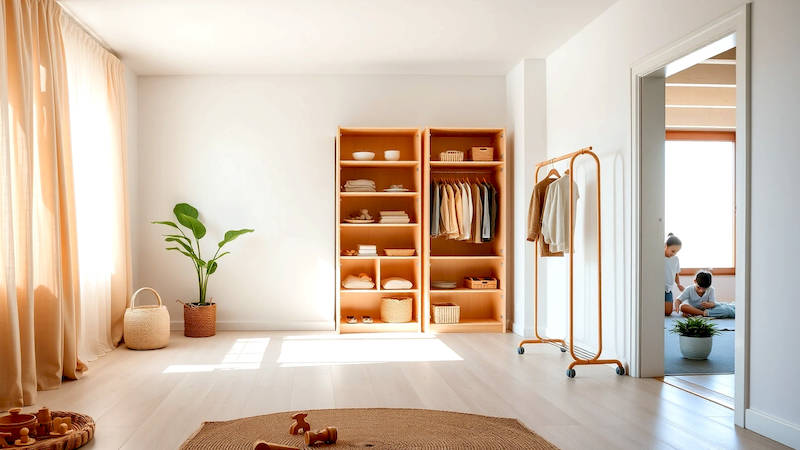
The start of a new school year often brings a flurry of activity – shopping for clothes, adjusting schedules, and, of course, stocking up on school supplies. For many families, this translates into overflowing backpacks, cluttered desks, and a constant battle against disorganization. However, it doesn’t have to be this way. Embracing a minimalist approach to school supplies isn't about deprivation; it’s about intentionality and creating a learning environment that fosters focus, responsibility, and calm, both at home and at school. It’s a shift from quantity to quality, prioritizing tools that genuinely support learning while eliminating the excess that creates stress.
For families already pursuing a minimalist lifestyle, extending these principles into the academic sphere feels natural. But even for those new to the concept, the benefits are significant. Beyond the aesthetic appeal of a tidy workspace, minimalist school supplies can reduce stress for both children and parents, promote better study habits, and even save money in the long run. This approach recognizes that abundant choices and possessions can actually hinder productivity and learning, leading to overwhelm and distraction.
Minimalism, when applied to school supplies, is particularly potent. It’s about removing obstacles to learning, empowering students to take ownership of their resources, and cultivating an appreciation for what truly matters – the learning process itself, not the tools used to facilitate it. This isn’t merely about aesthetics; it’s a fundamental shift towards mindful consumption and sustainable habits, teaching children valuable life skills that extend far beyond the classroom.
- Defining "Enough": The Core Philosophy of Minimalist School Supplies
- The Capsule Approach: Building a Core Supply Kit
- Organization Reinvented: Beyond the Backpack Black Hole
- Digital Substitutions: Leveraging Technology to Reduce Physical Clutter
- Extending Minimalism: The Power of Reuse and Repurpose
- Conclusion: A Sustainable Approach to Learning
Defining "Enough": The Core Philosophy of Minimalist School Supplies
The foundation of minimalist school supplies lies in carefully evaluating what is truly needed. This requires a departure from the traditional back-to-school checklist, often filled with items that are rarely, if ever, used. Instead of buying everything "just in case," focus on quality over quantity, and only purchase items that are directly required by the school or serve a demonstrable learning purpose. This might involve communicating with teachers to clarify supply needs or observing your child's actual usage patterns from the previous year. Many schools now publish very specific lists, making this process significantly easier.
This initial assessment isn’t a one-time event. Regularly reviewing and decluttering supplies throughout the year is equally essential. Encourage your child to participate in this process, helping them understand the concept of “enough” and the benefits of a streamlined workspace. A helpful reflection question is, "When was the last time you used this?" If the answer is longer than a few weeks (outside of planned breaks like summer vacation), it’s a strong indicator that the item might be expendable. Remember, the goal isn’t to deprive children, but to teach them responsible ownership and intentionality.
A key component of defining "enough" is resisting the allure of character-branded items. While exciting for children, these often come at a premium price and contribute to a cycle of wanting more. Opting for plain, durable supplies not only saves money but also reduces distraction and encourages a focus on the learning task itself rather than the design on the cover of a notebook. Consider reusable options whenever possible, further reducing waste and promoting sustainability.
The Capsule Approach: Building a Core Supply Kit
Think of minimalist school supplies as building a ‘capsule wardrobe’ – a collection of essential, versatile items that can be mixed and matched for various purposes. This starts with a core supply kit, containing the foundational tools your child will need for most subjects. This kit might include a small selection of high-quality pens (2-3 in black or blue), a couple of good pencils, a durable eraser, a sharpener, a ruler, and a glue stick. Focus on refillable pens and mechanical pencils to minimize waste.
Beyond these basics, a small selection of subject-specific items can be added, but critically, these should be limited to what’s actively used. For example, a math student might require a protractor and a set square, while an art student might need a few colored pencils. The key is to avoid duplication and to choose items that are versatile. A single high-quality sketchbook can replace a stack of spiral-bound notebooks for art class. Prioritize items that can be easily transported and stored.
Consider a designated space for the core supply kit, such as a small pencil case or a compartmentalized box. This ensures that everything has a place, making it easy to find and put away. This also fosters a sense of responsibility in your child, as they are directly accountable for maintaining their own supplies. Transparency is also important; make the contents of the kit visible, so you and your child can easily assess what needs replacing or restocking.
Organization Reinvented: Beyond the Backpack Black Hole
Overstuffed backpacks are a common source of stress for students and parents alike. Minimalism isn’t just about what supplies are purchased; it’s also about how they are organized. The first step is to downsize the backpack itself. Choose a size that is appropriate for your child’s age and physical build, avoiding oversized bags that encourage them to carry unnecessary weight.
Implement a daily ‘purge’ routine, where your child removes all papers, assignments, and unused supplies from their backpack each evening. A designated “inbox” or folder near the homework station can serve as a landing pad for incoming papers, preventing them from getting lost in the abyss. Use zippered pouches or small containers inside the backpack to compartmentalize items – one for pencils and pens, one for art supplies, one for snacks, etc. “A study by the American Academy of Orthopaedic Surgeons found that students are carrying backpacks that weigh as much as 25% of their body weight, which can lead to back pain and postural problems." This underscores the importance of minimizing the load.
Consider a second ‘home base’ for supplies – a dedicated desk or workspace where your child can complete their homework and store frequently used items. This space should be tidy and clutter-free, providing a calm and focused environment. Wall organizers, shelves, and drawer dividers can be invaluable for maximizing space and keeping everything in its place.
Digital Substitutions: Leveraging Technology to Reduce Physical Clutter
In today’s digital age, many traditional school supplies can be replaced by their digital counterparts. This isn’t about eliminating all physical tools, but about utilizing technology to reduce clutter and promote efficiency. For example, students can use word processing software instead of notebooks for writing assignments, and online calendars instead of paper planners.
Encourage the use of digital note-taking apps like Evernote or OneNote, which allow students to organize their notes, access them from any device, and easily search for information. Digital textbooks are becoming increasingly common, reducing the need to carry heavy books in a backpack. Many schools utilize online learning platforms like Google Classroom, which centralizes assignments, resources, and communication.
However, it’s important to establish clear guidelines for technology use. Ensure that your child understands the importance of digital responsibility, including online safety and responsible screen time. A balance between digital and physical tools is often the most effective approach, allowing students to benefit from the advantages of both.
Extending Minimalism: The Power of Reuse and Repurpose
Minimalism isn’t just about buying less; it’s also about making the most of what you already have. Before heading to the store for new supplies, take inventory of what you’ve accumulated from previous years. You'll likely find a treasure trove of usable items that can be repurposed. Old notebooks can be used for rough drafts or brainstorming, and slightly worn pencils can be sharpened down to a usable length.
Encourage your child to decorate plain supplies with stickers or washi tape, giving them a personal touch without contributing to excessive consumption. Repurpose old containers and boxes to organize supplies. A simple shoebox can be transformed into a stylish desk organizer with a little creativity. This not only saves money but also teaches children the value of resourcefulness and environmental responsibility.
Consider participating in a school supply swap with other families. This is a great way to exchange gently used items and reduce waste. And when it’s time to dispose of unusable supplies, explore recycling options whenever possible.
Conclusion: A Sustainable Approach to Learning
Implementing minimalist school supplies isn’t about adhering to a rigid set of rules; it’s about adopting a mindful and intentional approach to learning. By focusing on quality over quantity, streamlining organization, and embracing digital alternatives, families can create a calmer, more focused, and more sustainable academic environment. The benefits extend beyond just reduced clutter – it fosters responsibility, promotes mindful consumption, and ultimately, empowers students to thrive.
The key takeaways are simple: prioritize needs over wants, embrace the power of reuse, and regularly declutter. Start small, focusing on one area at a time, and involve your child in the process. Remember that minimalism is a journey, not a destination. Continuously evaluate what's working and adjust your approach as needed. By embracing these principles, you can help your child develop valuable life skills and cultivate a lifelong appreciation for simplicity and intentionality. The ultimate goal is to create an environment where learning isn't hindered by clutter, but empowered by clarity and focus.
Deja una respuesta