
Maintaining and Updating Your Capsule Wardrobe Every Year
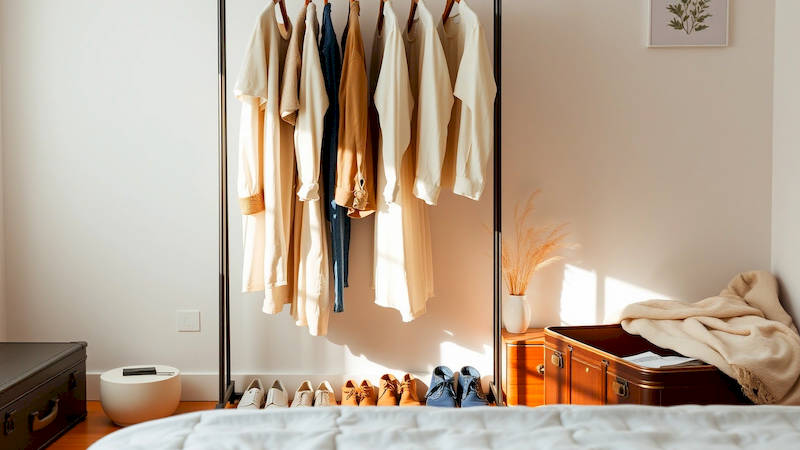
The concept of a capsule wardrobe – a curated collection of versatile clothing items that can be mixed and matched to create a variety of outfits – has gained significant traction in recent years, fueled by a desire for mindful consumption and a rejection of fast fashion. Initially, building a capsule wardrobe feels liberating, a streamlined approach to getting dressed that simplifies your life. However, the true art lies not just in creating one, but in maintaining and updating it year after year. This isn't about abandoning the minimalist principles, but about ensuring your wardrobe continues to serve your evolving lifestyle, body, and personal style.
A static capsule can quickly become a source of frustration. Life changes – a new job, a shift in climate, alterations in body shape – all necessitate adjustments. Ignoring these shifts leads to a wardrobe that feels restrictive rather than freeing. Moreover, trends do evolve, albeit at a slower pace within a minimalist framework, and acknowledging this allows for a subtle freshness without sacrificing the core ethos of intentionality. Successful long-term capsule wardrobe ownership requires proactive evaluation, strategic replacements, and a willingness to adapt.
- The Annual Capsule Wardrobe Audit: A Comprehensive Review
- Identifying Gaps & Defining Your Needs for the Upcoming Year
- Strategic Replacements: Prioritizing Quality and Versatility
- Incorporating Trends Thoughtfully & Minimally
- The Role of Seasonal Rotation & Storage Solutions
- Documenting Outfits & Building a Lookbook
- Conclusion: Sustaining a Wardrobe That Works For You
The Annual Capsule Wardrobe Audit: A Comprehensive Review
The cornerstone of maintaining a relevant capsule wardrobe is the annual audit. This isn’t merely a decluttering session, but a thoughtful review of each item’s performance over the past year. Schedule a dedicated day – or split it into two manageable sessions – to try on every piece in your capsule. Rate each item based on four key criteria: fit, frequency of wear, love (does it genuinely make you feel good?), and versatility. Be brutally honest. An item that fit perfectly last year but no longer does, or one that you purchased with the best intentions but never actually wore, should be flagged for removal.
This process demands introspection. Are you holding onto items “just in case”? Do certain pieces only work with one specific outfit, limiting their utility? Remember the core principle of a capsule — every item should ideally work with multiple other items. Document your findings. A simple spreadsheet or notebook can be incredibly helpful, listing each item, its rating across the four criteria, and a decision on its future (keep, donate, sell, alter, repurpose). Don't be afraid to confront the emotional attachment you might have to certain pieces; try to separate sentimental value from practical value.
Crucially, the annual audit isn’t confined to clothing. It should also encompass shoes, accessories (scarves, belts, jewelry), and even outerwear. These supporting elements are integral to completing outfits and defining your style, and their relevance should be assessed with the same rigor. Too often, accessories get overlooked, becoming a collection of unused items contributing to clutter. A helpful technique is to try to create five different outfits with each accessory. If you struggle, it might be time to let go.
Identifying Gaps & Defining Your Needs for the Upcoming Year
Once you’ve identified items to remove, the next step is to pinpoint gaps in your capsule. This requires a realistic assessment of your lifestyle, upcoming events, and any anticipated changes. Consider your work environment: will it remain the same, or are there changes on the horizon? Are you planning any significant travel? Have your personal interests shifted, requiring different types of clothing? This isn’t about predicting the future with certainty, but about being proactive and preparing for likely scenarios.
For example, if you’ve taken on a more client-facing role at work, you might need to add a few more polished pieces to your capsule, such as a well-tailored blazer or a classic sheath dress. If you're planning a hiking trip, adding a durable pair of hiking boots and technical outerwear is logical. A useful exercise is to review your calendar for the next year and identify any events that require specific clothing (weddings, interviews, presentations). Don’t fall into the trap of buying for hypothetical occasions; focus on realistic and probable events.
Furthermore, consider the seasonality of your climate and how your capsule wardrobe currently addresses it. Is your winter wardrobe sufficient? Do you need to invest in warmer layers or waterproof outerwear? Are your summer clothes breathable and comfortable for the heat? The goal is to create a wardrobe that’s prepared for all four seasons, minimizing the need for frequent purchases or relying on inappropriate clothing. This might involve rotating seasonal items in and out of storage, rather than a complete overhaul.
Strategic Replacements: Prioritizing Quality and Versatility
When identifying items for replacement, resist the urge to simply buy the exact same thing. Instead, consider upgrading to higher-quality versions of frequently worn pieces. Invest in fabrics that are more durable, comfortable, and long-lasting. A well-made cashmere sweater, for instance, will likely outlast multiple cheaper alternatives. Prioritize classic cuts and neutral colors that will remain stylish for years to come. This is a key tenet of sustainable fashion – buying less, but buying better.
Focus on replacing items that have genuinely worn out or are irreparable. Don’t replace something simply because it’s slightly out of style; a strong personal style can often transcend fleeting trends. When making replacements, consider whether the new item can fulfill multiple functions. For example, instead of buying a separate work blazer and a casual jacket, could you invest in a versatile blazer that can be dressed up or down? Prioritize pieces that seamlessly integrate with the rest of your capsule, creating new outfit combinations.
Consider the impact of your purchases. Research ethical and sustainable brands that align with your values. Look for certifications that guarantee fair labor practices and environmentally friendly production methods. While these items may come with a higher price tag, they represent a long-term investment in a more sustainable wardrobe. According to a McKinsey report on fashion sustainability, consumers are increasingly willing to pay a premium for ethical and environmentally responsible products.
Incorporating Trends Thoughtfully & Minimally
The allure of trends can be strong, but incorporating them into a capsule wardrobe requires a delicate touch. Avoid chasing every fleeting fad. Instead, identify trends that genuinely resonate with your personal style and complement the existing color palette and aesthetic of your capsule. Think of trends as accents, rather than foundational elements. A trendy scarf, a statement piece of jewelry, or a subtly updated silhouette can add freshness without disrupting the overall cohesiveness of your wardrobe.
A judicious approach to color is crucial. Introduce trend colors through accessories or smaller, less expensive items. This allows you to experiment with new hues without committing to a large investment. Resist the temptation to buy entire outfits based on a fleeting trend. Instead, focus on selecting a few key pieces that can be integrated into your existing wardrobe. Remember, the goal is to add personality and interest, not to completely overhaul your style every season.
Furthermore, consider upcycling or DIY projects to incorporate trend elements into your existing wardrobe. Adding new buttons to a jacket or altering the hemline of a skirt can breathe new life into older pieces. This is a creative and sustainable way to stay on-trend without contributing to fast fashion consumption. Embrace the idea of personalization—making trends your own rather than blindly following them.
The Role of Seasonal Rotation & Storage Solutions
Effective storage is paramount to maintaining a capsule wardrobe. A well-organized closet maximizes space and allows you to easily see and access all of your items. Seasonal rotation is a powerful strategy for managing a capsule effectively. As the seasons change, pack away out-of-season clothing and accessories. This not only creates more space in your closet but also forces you to re-evaluate your wardrobe and appreciate what you have.
Utilize storage solutions that optimize space and protect your clothing. Vacuum-sealed bags are ideal for storing bulky items like sweaters and coats. Cedar blocks or sachets can help repel moths and keep your clothes smelling fresh. Consider using matching hangers for a more streamlined and organized look. A visual inventory system, such as labeled bins or shelf dividers, can also be helpful.
Think vertical. Maximize closet space by utilizing shelves, hanging organizers, and over-the-door storage. Don't be afraid to declutter your storage areas as well. Just as you audit your wardrobe, periodically review your storage solutions and remove items that you no longer need. The aim is to create a functional and efficient storage system that supports your minimalist lifestyle.
Documenting Outfits & Building a Lookbook
Often overlooked, documenting your outfits is a powerful tool for maximizing your capsule wardrobe. Taking photos of outfits you love – and noting the specific pieces involved – creates a personal lookbook that you can reference for inspiration. This helps you break out of style ruts and rediscover outfit combinations you may have forgotten. It also allows you to identify patterns in your style preferences and refine your wardrobe accordingly.
There are numerous ways to document your outfits. You can use a dedicated app like Stylebook, create a private Pinterest board, or simply save photos on your phone. The key is to be consistent. Make it a habit to photograph your outfits whenever you feel particularly good about your look. Include details such as the occasion, the weather, and any accessories you're wearing.
This lookbook isn't just about aesthetics; it's about functionality. Review your lookbook during your annual audit to identify which outfits you wore most frequently and which items were most versatile. This data can inform your future purchasing decisions and ensure that you continue to build a wardrobe that truly serves your needs. It also serves as a reminder of the potential within your existing capsule, discouraging impulsive purchases.
Conclusion: Sustaining a Wardrobe That Works For You
Maintaining and updating a capsule wardrobe is an ongoing process, not a one-time event. It requires commitment, self-awareness, and a willingness to adapt. The annual audit is the vital starting point, providing a comprehensive assessment of your wardrobe’s performance. Strategic replacements, thoughtful trend incorporation, and efficient storage are all key components of a sustainable capsule system. Ultimately, a well-maintained capsule wardrobe isn't just about owning fewer clothes; it’s about cultivating a mindful relationship with your style and reducing your environmental impact.
The key takeaways are simple: prioritize quality over quantity, be honest about what you actually wear, and approach trends with caution. Remember that a capsule wardrobe is meant to simplify your life, not restrict it. Embrace the freedom that comes with intentionality and create a wardrobe that authentically reflects your personality and values. Take the actionable step of scheduling your annual audit today, and begin the journey towards a more sustainable and fulfilling style.
Deja una respuesta