
Minimalist Kitchen Cleanup: Choosing the Best Cleaning Tools and Products
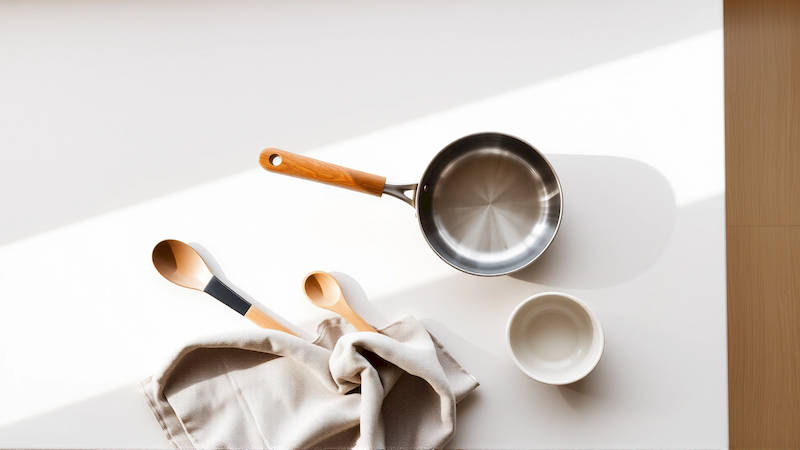
The kitchen, often hailed as the heart of the home, can quickly become a focal point of clutter and grime. In a minimalist lifestyle, the kitchen isn’t just a space for preparing food; it's a reflection of intentionality and efficiency. A streamlined kitchen cleanup routine, built around carefully selected tools and products, isn’t just about aesthetics, it’s about reducing mental load, saving time, and fostering a more peaceful home environment. Often, we accumulate cleaning supplies believing "more is better," but minimalism challenges this notion, encouraging us to focus on quality over quantity and multipurpose solutions over single-use items.
This article delves into the art of minimalist kitchen cleanup, moving beyond simply doing the dishes to rethinking how we approach the entire process. We’ll explore the essential tools and products that deliver maximum impact with minimal fuss, helping you create a sparkling clean kitchen without contributing to excessive consumption. Beyond the tools themselves, we'll examine the principles behind a minimalist cleanup, examining how habits and routines contribute as much to a tidy kitchen as the products used to get there.
- The Philosophy of Minimalist Kitchen Cleaning
- Essential Tools: Ditching the Gadget Overload
- Multi-Purpose Cleaning Solutions: The Power of Simplicity
- Dishwashing: Streamlining the After-Meal Chore
- Tackling Grease and Grime: Natural Degreasers
- Maintaining a Minimalist Routine: Consistency is Key
- Beyond the Surface: Decluttering as Cleanup
The Philosophy of Minimalist Kitchen Cleaning
Minimalist cleaning isn’t about sacrificing cleanliness; it’s about achieving a high standard of hygiene with fewer resources. It begins with a shift in mindset – recognizing that a constantly cluttered and dirty kitchen contributes to stress and a feeling of being overwhelmed. The goal is to create a system that is sustainable and supports your overall minimalist lifestyle. This means prioritizing functionality, durability, and eco-friendliness in your choices. It’s not just about what you clean with, but how often you clean and why.
This approach also acknowledges the inherent trade-offs. A single, high-quality brush might cost more upfront than a pack of disposable sponges, but its longevity and reduced environmental impact contribute to long-term value. “The true cost isn’t just the price tag, but the cumulative impact on your time, your wallet, and the planet,” notes Marie Lim, a sustainability consultant specializing in home goods. This perspective extends to cleaning products, leading many minimalists towards DIY solutions or concentrated formulas that reduce packaging waste. It’s focusing on effectiveness, not simply scrubbing harder and longer.
Furthermore, proactive cleaning significantly reduces the need for intensive deep cleans. Wiping down surfaces after each use, rinsing dishes immediately, and addressing spills promptly prevent grime from building up and becoming difficult to remove. This preventative approach, baked into your kitchen routine, is the cornerstone of a minimalist cleaning philosophy.
Essential Tools: Ditching the Gadget Overload
The first step in a minimalist kitchen cleanup is a ruthless decluttering of your existing cleaning arsenal. How many different sponges do you own? How many specialized brushes are gathering dust in the back of a cupboard? The aim is to pare down to a core set of versatile tools that can handle the vast majority of cleaning tasks. A good starting point is focusing on tools made from durable, natural materials like bamboo, wood, and stainless steel, minimizing reliance on plastic.
Your essential toolkit should include a high-quality dish brush with a replaceable head, a scrub brush for tackling stubborn messes, a set of washable microfiber cloths (replace paper towels!), a natural fiber sponge (like cellulose or loofah), and a scraper for removing stuck-on food. A spray bottle for homemade cleaning solutions is also crucial. Consider also a good quality bucket – stainless steel or durable plastic, readily available. Don’t fall into the trap of believing you need a specialized tool for every single task. A versatile scraper, for example, can be used to remove burnt food from pots, scrape residue off countertops, and even clean glass cooktops.
Avoid tools with intricate designs or small parts that are difficult to clean, as these tend to harbor bacteria and quickly become unusable. Investing in quality upfront will save money and reduce waste in the long run.
Multi-Purpose Cleaning Solutions: The Power of Simplicity
One of the biggest impacts you can make towards a minimalist kitchen cleanup is ditching the array of specialized cleaning products. Many commercial cleaners contain harsh chemicals that are harmful to your health and the environment. Moreover, they often serve a very narrow purpose, contributing to clutter and unnecessary spending. Instead, embrace the power of multi-purpose solutions, focusing on a handful of ingredients that can tackle a wide range of cleaning challenges.
Vinegar, baking soda, and castile soap are the workhorses of minimalist cleaning. Vinegar, diluted with water, is a fantastic all-purpose cleaner, deodorizer, and disinfectant. Baking soda acts as a gentle abrasive, perfect for scrubbing sinks, removing stains, and absorbing odors. Castile soap, a plant-based soap, can be used for dishwashing, floor cleaning, and a variety of other tasks. Combining these ingredients allows you to create a range of effective cleaning solutions without the need for dozens of plastic bottles. A simple all-purpose cleaner, for instance, can be made by mixing equal parts vinegar and water with a few drops of essential oil for fragrance.
Furthermore, concentrate your buying power. Buying concentrated cleaning formulas and diluting them yourself reduces packaging waste considerably. It might require slightly more effort upfront, but it drastically minimizes your environmental footprint and saves money in the long run.
Dishwashing: Streamlining the After-Meal Chore
Dishwashing is a daily kitchen task that can easily become overwhelming. A minimalist approach prioritizes efficiency and simplicity. If you have a dishwasher, ensure it’s used effectively – scraping food waste before loading, and only running it when full. If handwashing, minimize lingering dishes. "The 2-minute rule" is key: if a dish takes less than 2 minutes to wash, wash it immediately rather than letting it accumulate.
Invest in a good quality dish soap – ideally, a concentrated formula that requires only a small amount per wash. A dish drying rack is essential, but choose one that is compact and doesn’t take up too much counter space. Consider a collapsible rack that can be stored away when not in use. Instead of using disposable dish towels, opt for reusable microfiber cloths or linen towels, which are more absorbent and environmentally friendly. Returning clean dishes directly to their storage locations after drying further minimizes clutter and keeps the kitchen organized.
Tackling Grease and Grime: Natural Degreasers
Grease and grime are inevitable in the kitchen, but they don’t require harsh chemicals to combat. Many natural ingredients possess effective degreasing properties. Baking soda paste, for example, is excellent for removing burnt-on food from pots and pans. Lemon juice, with its natural acidity, can cut through grease and leave surfaces smelling fresh.
For stubborn grease buildup on stovetops and range hoods, create a paste of baking soda and water, apply it to the affected area, let it sit for 15-20 minutes, and then scrub with a sponge or brush. Another effective degreaser is a mixture of hot water and castile soap. Applying this mixture to greasy surfaces, letting it sit for a few minutes, and then wiping clean will dissolve the grease without the need for harsh chemicals. Regular maintenance, such as wiping down greasy surfaces after each use, prevents buildup and makes cleaning much easier.
Maintaining a Minimalist Routine: Consistency is Key
The tools and products are only part of the equation. A minimalist kitchen cleanup relies heavily on establishing a consistent routine. This means incorporating small cleaning tasks into your daily schedule rather than leaving them to accumulate. Wipe down countertops and sinks after each use, sweep or vacuum the floor daily, and address spills immediately.
Dedicate a specific day each week for a more thorough cleaning session, focusing on tasks like cleaning the refrigerator, oven, and microwave. Breaking down larger tasks into smaller, manageable steps makes them less daunting. The key is to make cleaning a habit, seamlessly integrated into your daily life. Consider setting a timer for 15-20 minutes each day and focusing solely on cleaning during that time. This "power clean" approach can make a significant difference in maintaining a tidy kitchen without feeling overwhelmed.
Beyond the Surface: Decluttering as Cleanup
Finally, remember that true minimalist cleanup extends beyond simply cleaning surfaces. It also involves decluttering the kitchen itself. Regularly assess your kitchen gadgets, cookware, and food storage containers, and get rid of anything you haven’t used in the past six months. Donate or sell items that are still in good condition, and discard anything that is broken or unusable.
A decluttered kitchen is not only easier to clean but also promotes a more peaceful and functional cooking environment. Embracing a “one in, one out” policy – meaning whenever you buy a new kitchen item, you get rid of an old one – helps prevent clutter from building up in the future. The act of regularly decluttering is, in itself, a form of cleaning, both physically and mentally.
In conclusion, a minimalist kitchen cleanup isn't about striving for perfection, but about finding a sustainable system that works for you. It’s about intentionally choosing fewer, higher-quality tools and products, embracing multi-purpose solutions, and establishing a consistent routine. Prioritizing preventative cleaning, decluttering regularly, and shifting your mindset from “more is better” to “less is enough” will not only create a sparkling clean kitchen but also contribute to a more peaceful and intentional lifestyle. The ultimate takeaway is that a clean kitchen, and a minimalist life, aren't about deprivation; they're about empowerment and focusing on what truly matters.
Deja una respuesta