
Designing a Child-Friendly Backyard Play Zone with Safety in Mind
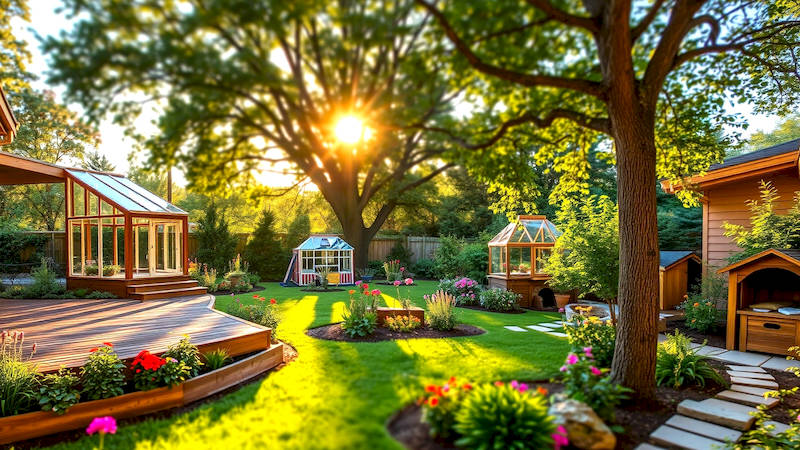
The backyard has long been considered an extension of the home, a space for relaxation, entertainment, and, crucially, for children to explore and grow. In today’s world, where digital entertainment often dominates, creating an engaging and safe outdoor play zone is more important than ever. A well-designed play area fosters physical activity, encourages creativity, and allows children to connect with nature, contributing significantly to their overall well-being. However, simply throwing down a few toys isn’t enough; the design needs to be thoughtfully planned with safety as the paramount concern. This article will delve into the essential elements of designing a child-friendly backyard play zone, focusing on creating a space that is both fun and secure.
The rising awareness of childhood injuries underscores the importance of proactive safety measures in outdoor play areas. According to the US Consumer Product Safety Commission, approximately 200,000 playground-related injuries are treated in emergency rooms annually. A significant percentage of these happen in home settings. Beyond preventing physical injuries, a well-considered design also addresses developmental needs, offering varied play opportunities to stimulate imagination and cognitive skills. This article aims to provide a practical guide for parents and homeowners to navigate the process, from initial planning to final implementation, ensuring a joyful and safe outdoor experience for their children.
Defining the Play Zone and Assessing Potential Hazards
The initial step in crafting a child-friendly play zone is a careful assessment of your backyard. This isn’t just about finding the flattest patch of grass; it's a comprehensive evaluation of potential hazards and a clear definition of the play area’s boundaries. Consider factors like sun exposure, drainage, visibility from the house, and surrounding landscaping. Mature trees are wonderful for shade, but check for dead branches that could fall. Areas near ponds, pools, or roads require extra vigilance and robust barriers. Establishing clear boundaries—both physical and visual—is crucial for children's understanding of safe play spaces.
Once potential hazards are identified, mitigation strategies can be implemented. These may include removing poisonous plants (like ivy, oleander, or certain mushrooms), filling in uneven ground, and installing protective fencing around potentially dangerous areas. Visibility from the house is a critical safety feature. Being able to casually supervise playtime from a kitchen window or patio can significantly reduce the risk of accidents. Furthermore, consider the age range of the children who will be using the space. A toddler’s needs differ greatly from those of a pre-teen, dictating the type of equipment and surfacing required. A good rule of thumb is to think about what could go wrong and proactively address those possibilities.
Finally, mapping out the zone allows for phased implementation. You don’t need to create the dream backyard overnight. Start with the essentials—safe surfacing and a core piece of equipment— and build from there as your budget and your children’s needs evolve. This phased approach also allows you to observe how your children interact with the space and make adjustments accordingly.
Choosing Safe Surfacing Materials
The surface beneath play equipment is arguably the most critical safety component. Hard surfaces like concrete or asphalt are unacceptable for play zones; they offer no impact absorption and dramatically increase the risk of serious injuries from falls. The primary goal of surfacing is to cushion falls and minimize the severity of impact. Several options are available, each with its own pros and cons. Loose-fill materials like wood chips, sand, and pea gravel are cost-effective but require regular maintenance to maintain proper depth and prevent compaction.
Engineered wood fiber (EWF) offers better impact absorption than wood chips and is often preferred for its durability and relatively low maintenance. Rubber mulch, made from recycled tires, is another excellent option, providing superior cushioning and requiring minimal upkeep. However, it can be more expensive than other materials. Poured-in-place rubber surfacing is the gold standard in terms of safety and aesthetics but comes with the highest price tag. Regardless of the material chosen, it's crucial to adhere to recommended fall height guidelines. The higher the play equipment, the thicker the surfacing layer needs to be. According to the National Playground Safety Institute, a fall height of 6 feet typically requires at least 12 inches of loose-fill material or a similar impact rating for unitary surfaces. Regular inspection and replenishment of surfacing material are also essential to maintain its protective qualities.
It is important to note that while sand and pea gravel are often chosen for their cost, they can present other hazards. Sand can kick up into eyes, and both materials can be ingested by young children, therefore requiring a more diligent cleaning and monitoring.
Selecting Age-Appropriate Play Equipment
Choosing play equipment that is appropriate for your children’s age, developmental stage, and physical abilities is paramount. A swing set designed for older children can be dangerous for toddlers, and even seemingly harmless equipment can pose risks if not selected carefully. Consider the equipment’s height, complexity, and required skills. Younger children benefit from low-to-the-ground structures, like playhouses, sandboxes, and small slides. As they grow, they can progress to more challenging equipment, such as climbing frames and swings.
Pay close attention to the equipment’s construction and materials. Look for sturdy, durable designs made from non-toxic materials. Wooden play structures should be treated with non-toxic preservatives to prevent rotting and splintering. Metal components should be rust-resistant and free of sharp edges. Regularly inspect equipment for wear and tear, paying particular attention to bolts, screws, and moving parts. Loose or damaged components should be repaired or replaced immediately. Furthermore, ensure that equipment is installed according to the manufacturer's instructions and is anchored securely to the ground. “According to a study by the American Society for Testing and Materials (ASTM), 46% of playground injuries are caused by improper maintenance.” This statistic reinforces the need for regular inspections and prompt repairs.
Creating Zones for Different Types of Play
Children engage in various types of play – active, imaginative, and social – and a well-designed play zone should accommodate all of these needs. Instead of simply placing equipment randomly, consider creating designated zones for different activities. An active play zone might include swings, slides, and climbing structures, while an imaginative play zone could feature a playhouse, sandbox, or a dedicated area for building forts. A quieter zone with a small table and chairs can provide a space for drawing, reading, or other quiet activities.
These zones needn’t be rigidly defined but can be subtly delineated using landscaping features, different surfacing materials, or even bright colored pavers. Incorporating natural elements into the design – such as trees, shrubs, and rocks – can further enhance the play experience and encourage exploration. Creating a sensory garden with plants of differing textures and scents can stimulate children’s senses and provide opportunities for learning. Consider also including water features, if appropriate, but ensure they are adequately fenced and supervised. The key is to create a versatile space that caters to a wide range of interests and allows children to explore their creativity and develop their physical and cognitive skills.
Ongoing Maintenance and Safety Checks
While initial setup is critical, maintaining a safe play zone requires ongoing vigilance and regular maintenance. Routine inspections should be conducted at least monthly, checking for hazards such as loose hardware, splinters, cracks, and wear and tear on surfacing materials. Regularly rake and replenish loose-fill surfaces to maintain proper depth. Trim bushes and trees to maintain visibility and remove potential tripping hazards. Regularly clean play equipment to prevent the spread of germs.
Beyond routine inspections, a more comprehensive safety check should be conducted annually. This should include a thorough evaluation of the entire play zone—surfacing, equipment, fencing, and landscaping—to identify any potential safety concerns. It's also a good time to review your safety rules with your children and reinforce the importance of safe play behavior. Documentation of these inspections and maintenance activities is crucial for liability purposes. It demonstrates a commitment to providing a safe environment for children. Consider creating a checklist to ensure consistency and thoroughness. A proactive approach to maintenance will not only prevent accidents but also extend the lifespan of your play equipment and maintain the appeal of your backyard oasis.
Considering Sun Safety and Shade Solutions
Exposure to the sun is an enjoyable part of outdoor play, but it’s essential to protect children from harmful UV rays. Prolonged sun exposure can lead to sunburn, premature aging, and an increased risk of skin cancer. Providing ample shade is a crucial aspect of a child-friendly backyard play zone. Natural shade from mature trees is ideal, but if trees are limited, consider installing shade sails, umbrellas, or a covered play structure.
When selecting shade solutions, look for materials that offer a high level of UV protection. Shade sails should be made from UV-resistant fabric, and umbrellas should be large enough to provide adequate coverage. Encourage children to wear hats, sunglasses, and protective clothing when playing outdoors. Apply sunscreen with a high SPF regularly, even on cloudy days. Educate your children about the importance of sun safety and make it a routine part of outdoor play. A well-shaded play zone allows children to enjoy the benefits of outdoor play without compromising their health. Professional landscape designers can offer insights for architectural shade solutions that integrate seamlessly with the backyard’s aesthetics.
In conclusion, designing a child-friendly backyard play zone with safety in mind is an investment in your children's health, development, and happiness. By prioritizing safety in every aspect of the design—from surfacing and equipment to ongoing maintenance and sun protection – you can create a space where children can explore, learn, and grow with confidence. Remember to assess your backyard for potential hazards, choose age-appropriate equipment, create zones for different types of play, and commit to regular maintenance. The initial effort and ongoing dedication will be rewarded with a joyful and secure outdoor haven for your family. As a final actionable step, begin by sketching a basic layout of your backyard and identifying potential play zones. Then, create a prioritized list of safety improvements and begin implementing them one step at a time. A safe and engaging play zone is within reach with thoughtful planning and consistent effort.
Deja una respuesta