
Creative Built-In Bookcase Ideas for Living Room Organization
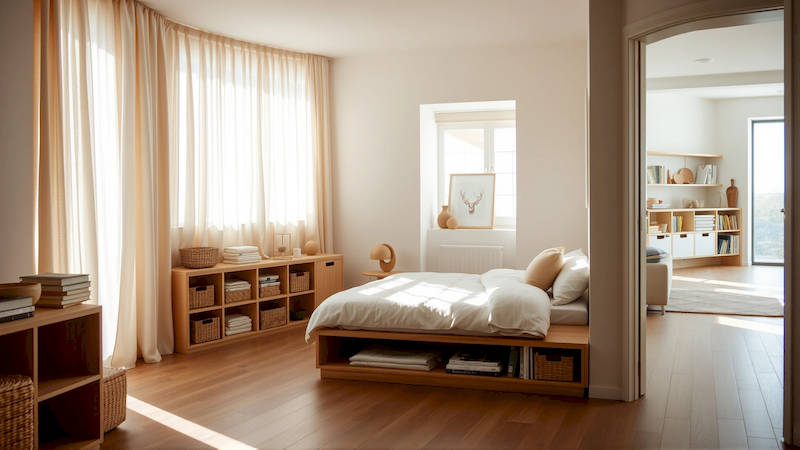
The living room, often considered the heart of the home, frequently struggles with a delicate balance – a comfortable, inviting space that also needs to be functional and organized. While sofas and entertainment centers often take center stage, the sheer volume of books, decor, and personal items we accumulate can quickly overwhelm the space. This is where built-in bookcases emerge as a transformative solution. More than just storage, they represent an opportunity to inject personality, elevate aesthetics, and significantly enhance the organizational capacity of your living room. This article delves deep into creative built-in bookcase ideas, offering practical advice, design considerations, and inspiration to help you create a living space that’s both beautiful and flawlessly organized.
Built-in bookcases address the pervasive challenge of maximizing space, especially in smaller homes or apartments. Unlike freestanding units, built-ins seamlessly integrate with the architectural features of the room, offering a streamlined and customized aesthetic. They also allow for strategic use of vertical space, drawing the eye upward and making the room feel larger. Beyond the functional benefits, investing in built-ins can demonstrably increase a home’s value according to recent reports from the National Association of Realtors, with kitchen and bathroom renovations often followed closely by built-in storage solutions as value-adding improvements.
This exploration will cover a spectrum of styles, from traditional to modern, and will consider practical necessities such as budgeting, construction considerations, and maximizing storage efficiency. Ultimately, the goal is to empower you with the knowledge to transform your living room into a stylish and supremely organized haven.
- Maximizing Space with Floor-to-Ceiling Designs
- Blending Functionality with Architectural Features: Fireplace Surround Bookcases
- Creating a Cozy Reading Nook with Integrated Bookcases
- Modern and Minimalist Built-In Bookcase Solutions
- Using Color and Texture to Enhance Built-In Bookcases
- Beyond Books: Utilizing Built-Ins for Display and Storage
- Budgeting & Planning Your Built-In Bookcase Project
Maximizing Space with Floor-to-Ceiling Designs
Floor-to-ceiling built-in bookcases represent the pinnacle of storage optimization and architectural impact. They fully utilize vertical space, creating a dramatic focal point and offering an almost limitless capacity for displaying books, artwork, and cherished possessions. Rather than appearing imposing, opting for lighter wood tones or incorporating open shelving can prevent the design from feeling too heavy. Strategically placed lighting, such as integrated LED strips, can also highlight displays and add visual interest. Consider integrating a hidden door within the bookcase structure to a small office or storage room, offering discreet functionality.
Building floor-to-ceiling bookcases requires careful planning and professional installation to ensure structural integrity. It’s crucial to assess the load-bearing capacity of the walls and to adhere to local building codes. A common approach involves anchoring the bookcases directly to wall studs for stability. When considering the design, don't limit yourself to uniform shelving. Varying shelf heights and widths allows for the display of items of different sizes, creating a more dynamic and visually engaging arrangement. "A truly well-designed built-in goes beyond just being functional; it blends seamlessly into the architecture and feels as if it was always part of the home," notes interior designer Sarah McKinley in a recent Architectural Digest feature.
For those concerned about accessibility, consider incorporating a rolling library ladder. This adds a touch of old-world charm while providing a safe and convenient way to reach higher shelves. This is especially useful for particularly tall designs and works well in traditional or transitional living room styles.
Blending Functionality with Architectural Features: Fireplace Surround Bookcases
One of the most impactful ways to incorporate built-in bookcases is to flank a fireplace. This creates a natural focal point, transforming the fireplace from a purely functional element into a stunning visual centerpiece. The bookcases can mirror each other in design for symmetry, or they can be staggered in height and style for a more eclectic look. Integrating lighting within the bookcase units, such as spotlights directed at artwork or bookshelves, enhances the ambiance and highlights treasured items.
When designing fireplace surround bookcases, it's essential to carefully consider heat dissipation. Avoiding placing flammable materials directly above or too close to the fireplace opening is paramount. Using heat-resistant materials for the lower portions of the bookcases and incorporating a sufficient gap between the fireplace and the shelving are crucial safety measures. These bookcases aren’t just for books, though; utilize the lower shelves for storage baskets, decorative boxes, or even media consoles to keep clutter at bay. This approach allows for both aesthetic appeal and practical utility.
A common design feature within these setups is the inclusion of closed cabinetry at the base of the bookcases. This concealed storage provides a perfect space for items that are best kept out of sight, such as board games, electronics, or seasonal decorations.
Creating a Cozy Reading Nook with Integrated Bookcases
Built-in bookcases are powerfully effective when utilized to define and enhance a cozy reading nook. Incorporating bookshelves around a comfortable armchair or window seat creates a sense of enclosure and intimacy, fostering a dedicated space for relaxation and literary enjoyment. Designing the bookcases to wrap around a corner, partially enclosing the reading area, can further amplify this feeling of seclusion. Lighting is, again, absolutely key. A combination of ambient lighting and task lighting—such as a floor lamp or sconces—creates an inviting and functional atmosphere.
Consider incorporating a window seat into the design, with the bookcase extending along the sides and back of the seat. This maximizes space and provides convenient storage for blankets, pillows, and reading materials. The window seat itself can be fitted with lift-up storage for even more concealed space. When selecting paint colors or materials for the bookcases, opt for warm, inviting tones that complement the overall aesthetic of the living room. Soft blues, greens, or cream colors tend to create a calming and relaxing atmosphere.
Don't be afraid to personalize the space with artwork, photographs, and decorative objects that reflect your individual taste and create a welcoming and inspiring environment. "The goal isn't just to store books, but to create a sanctuary, a space where you can truly escape and immerse yourself in the world of literature," emphasizes design blogger Emily Henderson.
Modern and Minimalist Built-In Bookcase Solutions
For those embracing a modern aesthetic, built-in bookcases can be designed with clean lines, simple forms, and a minimalist approach. Focus on utilizing sleek materials such as metal, glass, and high-gloss lacquered wood. Eliminating ornamentation and unnecessary details is key to achieving a contemporary look. Opting for asymmetrical designs or incorporating geometric shapes can add visual interest without compromising the minimalist aesthetic.
Instead of traditional shelving, consider incorporating floating shelves or using recessed lighting to illuminate the books and objects on display. Color palettes should be restrained, typically focusing on neutral tones such as white, gray, and black. Integrating the bookcases seamlessly into the wall, concealing the edges, can further enhance the minimalist aesthetic. This can be achieved through flush mounting and using materials that blend with the surrounding walls.
A clever approach is to combine open shelving with closed cabinetry to create a balanced look. The open shelving can display carefully curated collections, while the closed cabinetry provides concealed storage for items that are best kept out of sight. This allows for both visual appeal and practical functionality.
Using Color and Texture to Enhance Built-In Bookcases
Beyond the structural design, color and texture play a crucial role in enhancing the visual impact of built-in bookcases. Painting the bookcases a contrasting color from the surrounding walls can create a dramatic focal point and add depth to the room. Alternatively, using a similar color in a different shade can create a more subtle and harmonious effect. Consider incorporating wallpaper or textured panels within the bookcase units to add visual interest and personality.
Don't be afraid to experiment with different materials, such as wood veneer, laminate, or even metal accents. Mixing and matching materials can create a unique and eclectic look. Remember that the color and texture choices should complement the overall style of the living room. "Don't treat the bookcase as an afterthought," advises design expert Nate Berkus. "It's an opportunity to inject color, texture, and personality into the space, and to truly reflect your individual style."
When arranging items on the shelves, consider using the principles of color theory to create a visually appealing display. Grouping items by color or texture can create a sense of cohesiveness and balance.
Beyond Books: Utilizing Built-Ins for Display and Storage
While the name suggests exclusively book storage, built-in bookcases can serve a much broader function. They are incredibly versatile and can be utilized to display a wide range of items, from artwork and collectibles to family photos and decorative objects. Incorporating display cabinets with glass doors allows for showcasing treasured possessions while protecting them from dust.
Strategic use of baskets, boxes, and bins within the bookcase units provides concealed storage for items that are best kept out of sight. Consider incorporating a bar area within the bookcases, with dedicated shelving for bottles, glasses, and bar accessories. Another option is to integrate a media console into the bookcase design, concealing electronics and creating a streamlined look.
Don’t overlook the possibilities of cleverly transforming sections of the bookcase into a functional workspace. A small built-in desk area can be seamlessly integrated into the overall design, providing a convenient space for working from home. By thinking creatively, you can maximize the functionality of your built-in bookcases and turn them into a versatile storage and display solution.
Budgeting & Planning Your Built-In Bookcase Project
Before embarking on a built-in bookcase project, establishing a realistic budget and comprehensive plan is essential. The cost can vary significantly depending on the size, complexity, and materials used. Generally, custom-built bookcases are more expensive than semi-custom or DIY options. Labor costs typically constitute a significant portion of the overall expense, so obtaining multiple quotes from qualified contractors is crucial.
Consider the materials carefully. Solid wood is the most expensive option but offers superior durability and aesthetic appeal. Plywood and MDF are more affordable alternatives, but they may require additional finishing work. Don't forget to factor in the cost of hardware, paint, and lighting.
Creating a detailed plan, including precise measurements and a visual rendering of the finished product, will help ensure a smooth and successful project. This plan should include considerations for electrical wiring, lighting placement, and any necessary structural modifications. Remember to obtain any required permits before starting construction.
In conclusion, creative built-in bookcase ideas offer a powerful solution for living room organization, enhancing both functionality and aesthetics. From floor-to-ceiling designs to fireplace surrounds and cozy reading nooks, the possibilities are virtually limitless. Careful planning, thoughtful design choices, and a willingness to personalize the space are key to creating a built-in bookcase that truly reflects your individual style and meets your unique needs. Remember to prioritize safety, consider your budget, and don't be afraid to experiment with color, texture, and materials to achieve a stunning and seamlessly integrated result. The investment in custom built-ins isn’t simply about storage; it's about crafting a living space that is both beautiful, organized, and truly your own.
Deja una respuesta